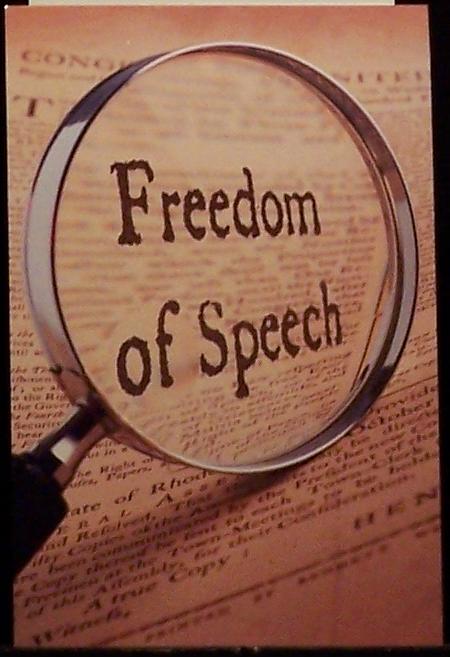
 Just when you start to think your country is the best at something, reality goes and levels the playing field. I thought the US boasted the craziest, angriest bigots but then a group of pissed off Brazilians took to twitter Sunday night and proved me wrong. It seems really hateful people can live anywhere. How unfortunate.
The hate-filled twitter feed was brought to my attention by a fellow blogger (Thanks Rachel!). Obviously not everyone in Brazil is happy about Dilma’s election. A few people decided the best way to express their frustration was to send a flurry of tweets blaming voters in the Northeast and calling for them to be gassed Nazi Germany style. (Really, the casual references to Nazis and Hitler being tossed out these days show a disturbing lack of perspective. But I digress…)
The group Diga Não A Xenofobia (Say No to Xenophobia) collected a few of the tweets and posted a summary of the subsequent legal action being filed against one of the authors. The tweets are at the bottom of the article and even if you don’t speak a word of Portuguese the hate comes through loud and clear.
That these people are ignorant bigots and their messages racist, hateful and repulsive is beyond dispute. But should they be prosecuted for expressing that hate? No, I don’t think so.
I know my opinion is grounded in a very American understanding of free speech. Hate speech is illegal in many countries, not just Brazil. Here the crime of racism results in 2-5 years in prison and a fine. While I think the sentiment behind such laws is good, I don’t think they are effective and I firmly believe they encroach on a person’s right to voice her opinion.
I assume that laws against hate speech were enacted to combat racism, xenophobia, etc. Perhaps, supporters even believe they made things safer and cut down on hate crimes. Based on what I’ve experienced, the laws merely force racism underground. It is not extinguished. People will continue to voice their opinions in the privacy of their homes, between friends and in front of their children, but now there is no public debate about the issue. I think it’s better to know who the bigots are and what they’re thinking. You can confront them and debate the issue.
On a more fundamental level, I believe that if a person wants to post 140 characters of trash that is her right. Unfortunately, she has a right to be a bigot.
One exception to free speech is inciting violence. Calling on people to kill or hurt others should not be protected. The twitter author is being charged with inciting the public to commit a crime and it carries a penalty of 3-6 months in prison or a fine. (I’m baffled why inciting a crime results in less jail time than being a racist. Anyway…)
So what crime did this tweeter ask people to commit? She asked for people to do SP (Sao Paulo) a favor and kill someone from the Northeast. Disgusting, yes but a clarion call to violence, I think not.
Now, if she had gone on to list the names and addresses of several people then I’d agree she was trying to incite actual violence. But a tweet? Someone who takes the time to send a tweet to express her hate is not violent. Just ignorant and lazy. These people are too busy trying to figure out how many slurs they can fit within 140 characters to be a threat to anything other than their own reputations.
What do you think? Should hate speech be a crime? Should the people who sent the tweets be prosecuted?