Tag: kids

  • What I Learned From Querying Literary Agents

    What I Learned From Querying Literary Agents

    The other night my daughter and I died repeatedly in a lava lake. We were playing Yoshi’s Woolly World and trying to get a final daisy that would unlock a secret board but the lava was rising and covering the daisy and…well, we died a lot.

    After death number twenty-two give or take five, my daughter said, “Mommy, let’s just quit. We’re never going to get it.”

    “That’s only true if we quit,” I cried, frantically pounding the A button.

    Which is true. In Yoshi’s Wolly World and in life. Someday becomes never only when we quit.

    This is not a sentiment I would have slapped on a poster, covered in glitter, and waved over my head until very recently. I was much more a “Why would I waste my limited time and energy on something that’s basically impossible?” or put more honestly “Why would I try so hard to most likely fail?”

    Then I started querying agents for a novel, and I learned failing isn’t the end. Failing is a step.

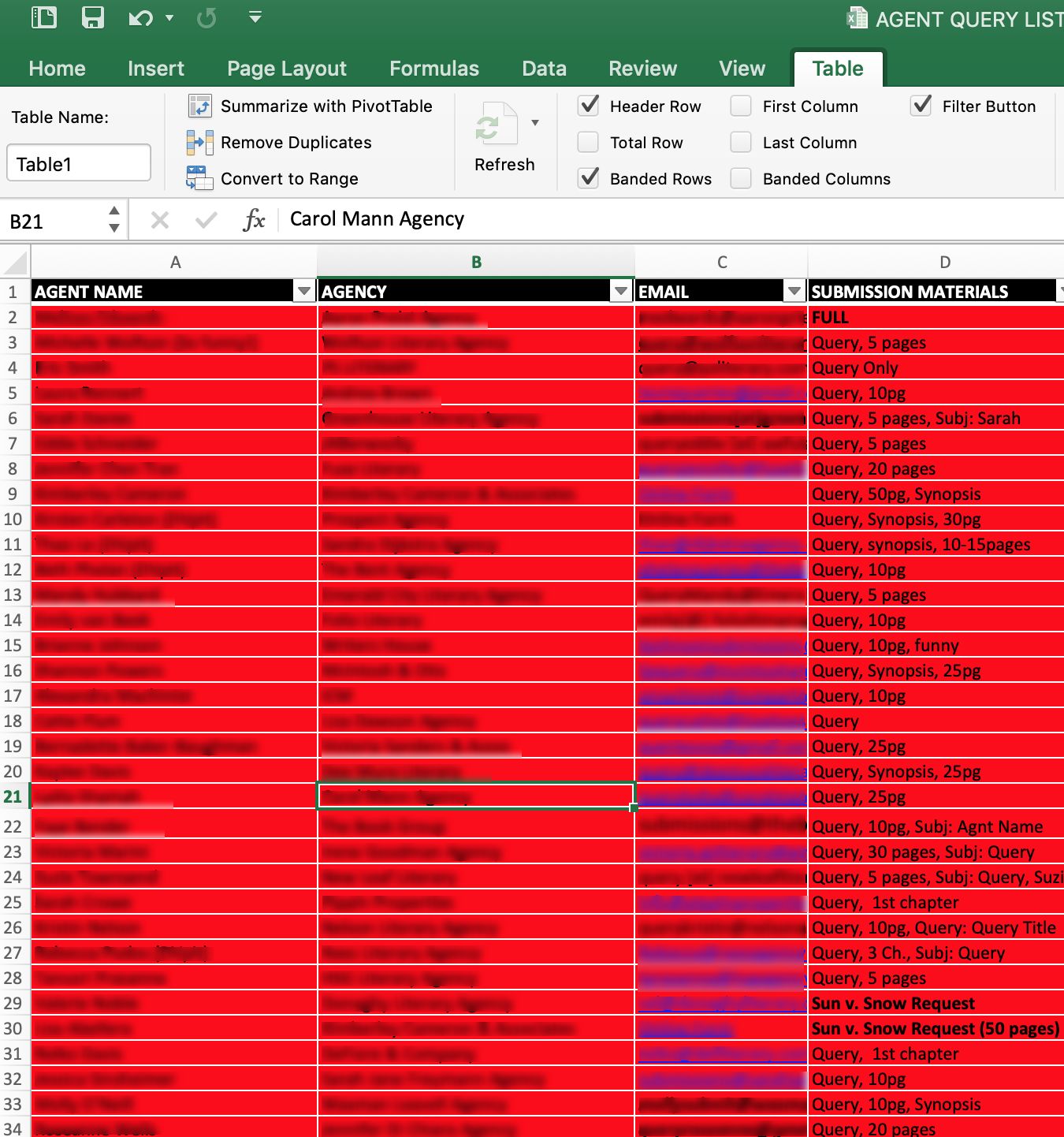
    I remember the queasy feeling I had as I hit send on my first query. This was it. After three years of writing, revising and researching the fiction industry, I was as ready as I could be. I was NOT querying a first draft. I had revised and revised again. I researched agents and made a list tailored to the book I wrote. I sent my query to workshops and had ACTUAL literary agents critique it. I was ready, and with my hand shaking, I clicked send. Then I sent nine more.

    They all said no. So did the next ten agents. And the ten after that. All form rejections.

    Querying literary agents is a pretty good dry run for living with chronic reflux. Once those queries are out, checking your inbox triggers chest pains, difficulty breathing, and nausea. It didn’t matter if the query was sent six hours ago or six months ago. If I had an open query and that little red circle appeared over my inbox icon, my stomach flipped. My expectations rose.

    And then I’d read the rejection. It’s amazing that pixels on a screen can stimulate the physical sensation of being punched in the gut.

    The first few rejections hurt but weren’t devastating. I didn’t panic. There are varied tastes. Some agents just won’t be into a vigilante anti-hero no matter how well written. Although someone should have recognized my talent by query 20. Or 25. Certainly by 30. But the form rejections kept coming and feeding the self-doubt. Because I wouldn’t have queried a novel I didn’t think was good. So the agent rejections were a reflection not only my book but on my judgement as a writer, right?

    Eventually I went in search of data because that’s what people with social science degrees do. I wanted a number, so I googled “What’s the average number of rejections authors get before signing with an agent?” I found enough numbers that I know my total rejections over three projects isn’t even that high.

    But back then, I had no idea where my count would end. Would I be the author who got an agent on her 65th query for her sixth manuscript? Imagining the time and energy it would take to write and revise six novels left me breathless. Could my heart take a shot of adrenaline every time I checked my email for a decade? But giving up after one novel wasn’t even trying and I couldn’t quit without really trying.

    So I wrote another book. And I queried it. I got more form rejections. They caused heart palpitations and pain. But…and this was a revelation…not as much pain as that first batch.

    I realized as I neared that 100 rejections mark, that the more times I read “no”, the faster my heart rate returned to normal. By the time I was into three digit rejection numbers, the emails caused only a flutter of despair. I could tell my husband and family “Nope. Another pass” with merely a shrug. I seemed to have developed a high tolerance for “no”.

    Then project number three got me my first full manuscript request and first rejection of the entire manuscript. That one was bad. My query reflux flared up. I cried. But there were more full requests and I started thinking “At this rate, eventually someone will say yes.” I’d heard “no” 130 times, but somewhere along the line my thinking had shifted from “maybe not ever” to “eventually”.

    As long as I didn’t quit. I’d gone from form rejections to personalized rejections to a partial request to multiple full requests. If I kept going, one rejection at time, I’d eventually get to a yes and after four years, I did. After 138 rejections.

    So here’s what I hope to pass on my daughter.

    There will be some doors that never open no matter how hard a person tries. I will never be and could never have been a professional basketball player or super model. I do not have the body for either. Nor do I have the eyesight for fighter jet pilot. Some things are out of our control.

    And not everyone has the luxury of failing repeatedly. They don’t have time and energy to spare on ventures that might not bring any financial return. They don’t have family to support them during the trial and errors or bail them out after the crash and burn.

    Failing repeatedly is a priviledge. If you’ve got the safety net, take the leap.

    Do not let fear of hearing “no” or shame from having to admit rejection in front of family and friends be the only reasons you don’t try. Hearing “no” gets easier. It’ll always sting, but it will stop defining you. Every failed attempt teaches and makes you better. And you will get better.

    So tryout for the team. Audition for the roll. Submit the story. Send off the resume. The regret from never trying will be so much worse than the sting of failing. And if there answer is “no”, well, your life will go on exactly as it did before you tried. It won’t be worse and now you have the chance to learn something and try again.

    Take the step. Get a “no”. Reassess and try again. And again. Get 138 “no”s. Get 500 “no”s. You’ve only truly failed once you stop trying.

    That’s what I yelled while my Yoshi leapt over rising lava. And eventually we got that damn daisy.
  • Review of Felpo Filva by Eva Furnari

    Review of Felpo Filva by Eva Furnari

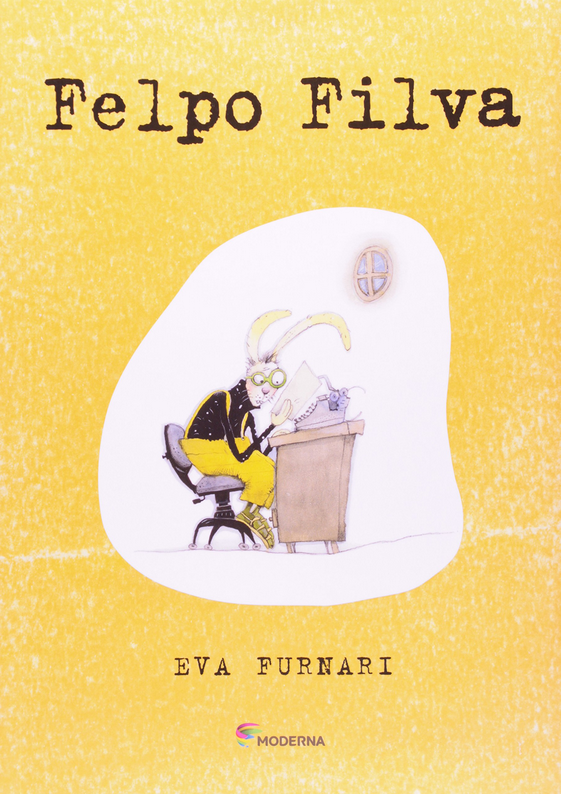
    My second recommendation for this year’s Multicultural Kid Blogs Read Around the World Series is a charming and quirky picture book for kids ages 5 to 9: Felpo Filva by Eva Furnari.

    If you believe children Need Diverse Books #WNDB, then check out the series homepage at Multicultural Kid Blogs for recommendations ranging from picture book to YA! Or check out the Read Around the World Pinterest page with all the recs from the past five years.

  • Review of American Born Chinese by Gene Luen Yang

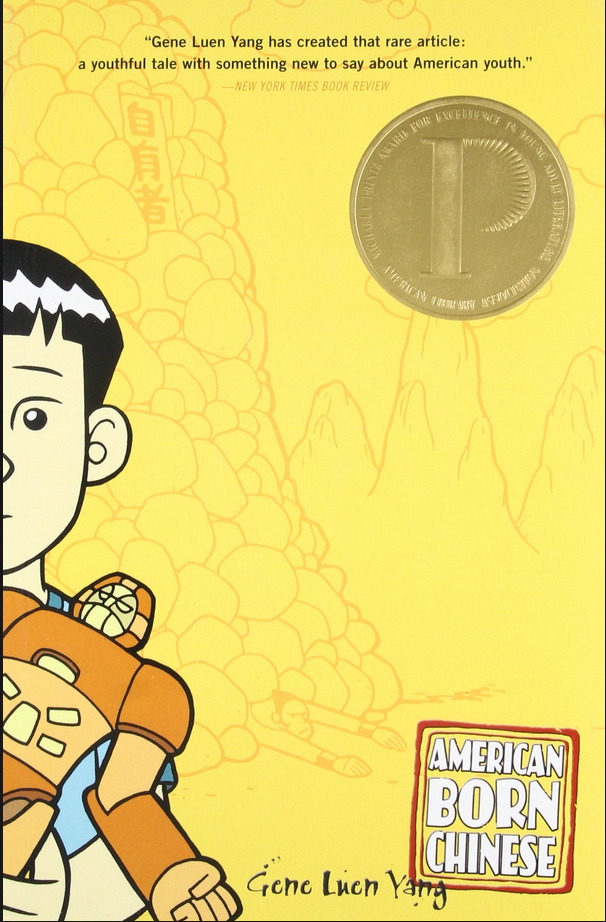
    Review of American Born Chinese by Gene Luen Yang

    It’s that time of year again! Time for Multicultural Kid Blogs’ Read Around the World Series 2018! I’m excited to be participating in this epic global round up of amazing children’s books for my fourth year. I’ve found many wonderful picture books for my own daughter through this series such as Tales Told in Tents, a collection of folk tales from Central Asia, and Pretty Salma, a Little Red Riding Hood tale set in Ghana. I’ve been able to recommend some of my personal favorite YA reads such as The Star Touched Queen and The Hate U Give.

    My first recommendation for this year is a Middle Grade graphic novel that can truly be enjoyed by any age: American Born Chinese by Gene Luen Yang.

    If you believe children Need Diverse Books #WNDB, then check out the series homepage at Multicultural Kid Blogs for recommendations ranging from picture book to YA! Or check out the Read Around the World Pinterest page with all the recs from the past five years.

  • Review of The Sun is Also a Star by Nicola Yoon

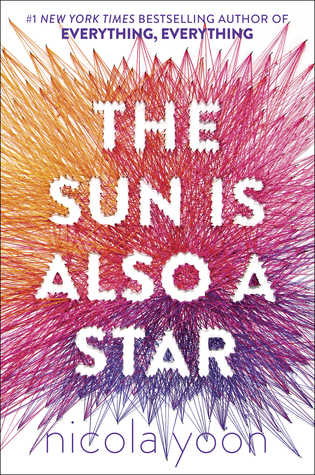
    Review of The Sun is Also a Star by Nicola Yoon

    Today is my last recommendation for Multicultural Kid Blogs Read Around the World Summer Series, but the series keeps going through August!

    If you’re looking for amazing kid lit, from picture book to young adult, check out the series’ Pinterest page where you can read more than 100 recommendations of books from all over the world. https://www.pinterest.com/MKBlogs/read-around-the-world-summer-reading-series/

    Or check out the series’ homepage! http://multiculturalkidblogs.com/read-around-world-summer-reading-series-2017/

  • Review of Between Shades of Gray by Ruta Sepetys

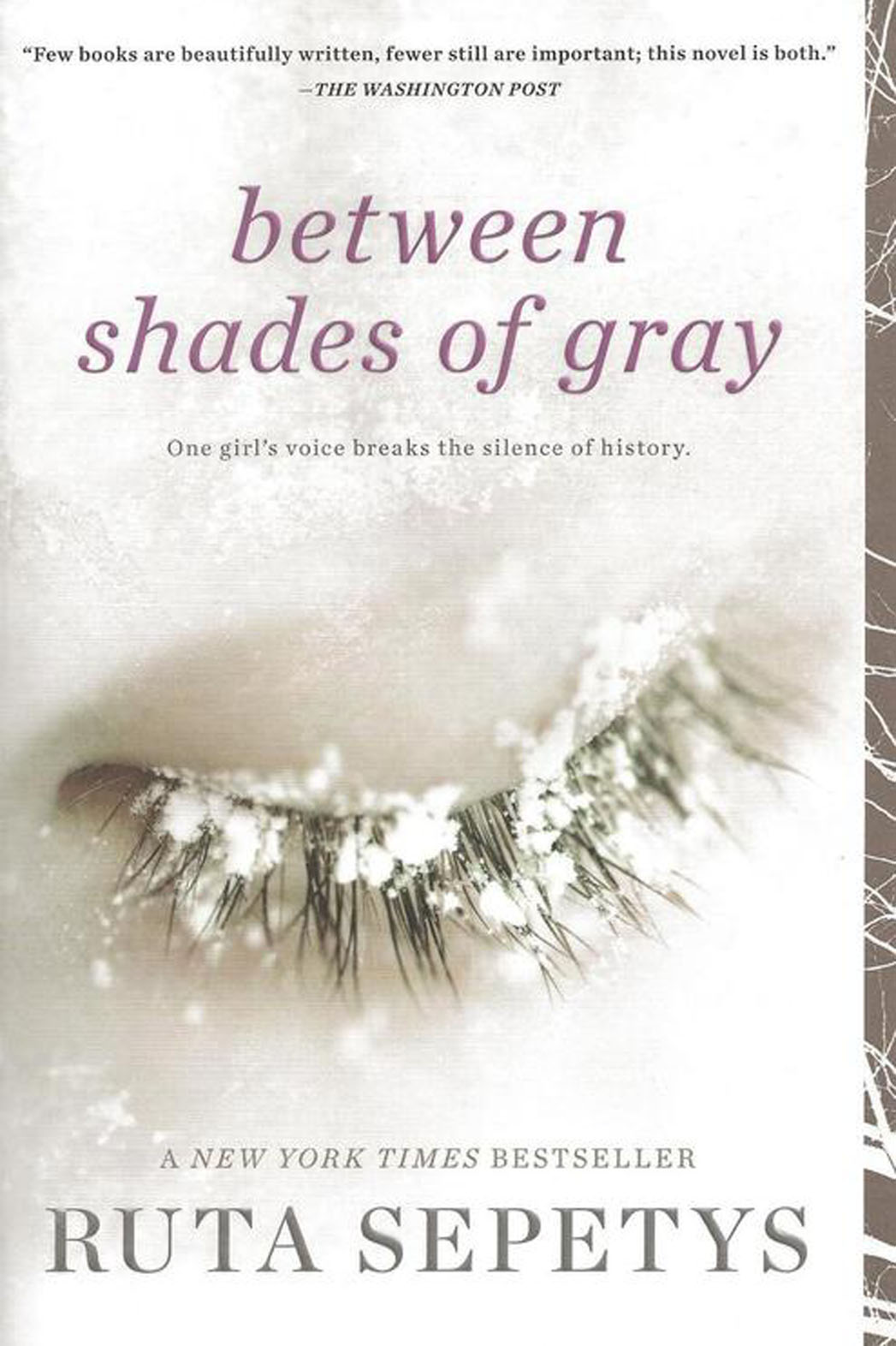
    Review of Between Shades of Gray by Ruta Sepetys

    I’m back from vacation with another review for Multicultural Kid Blogs’ Read Around the World Summer series. Today I’m reviewing a historical fiction set during a time and event I knew nothing about: Stalin’s genocide against the Baltic states.

    If you want to see all the book recommendations, ranging from picture books to young adult, check out the series’ homepage! http://multiculturalkidblogs.com/read-around-world-summer-reading-series-2017/

    Save

    Save

  • Review of The Hate U Give by Angie Thomas

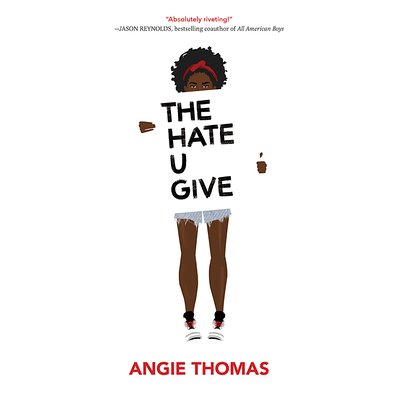
    Review of The Hate U Give by Angie Thomas

    It’s time for Multicultural Kid Blogs’ Read Around the World Series, an amazing collection of kid lit recommendations from multicultural families around the world. I’m excited to recommend the first young adult novel of this year’s series: The Hate U Give by Angie Thomas.

    If you want to see all the books recommendations, ranging from picture books to young adult, check out the series homepage! http://multiculturalkidblogs.com/read-around-world-summer-reading-series-2017/

    Save

  • Projeto Tamar: Saving Sea Turtles along Brazil’s Coast

    Projeto Tamar: Saving Sea Turtles along Brazil’s Coast

    Hello, adorable baby sea turtle!

    Today is world turtle day! Hooray for the turtles!

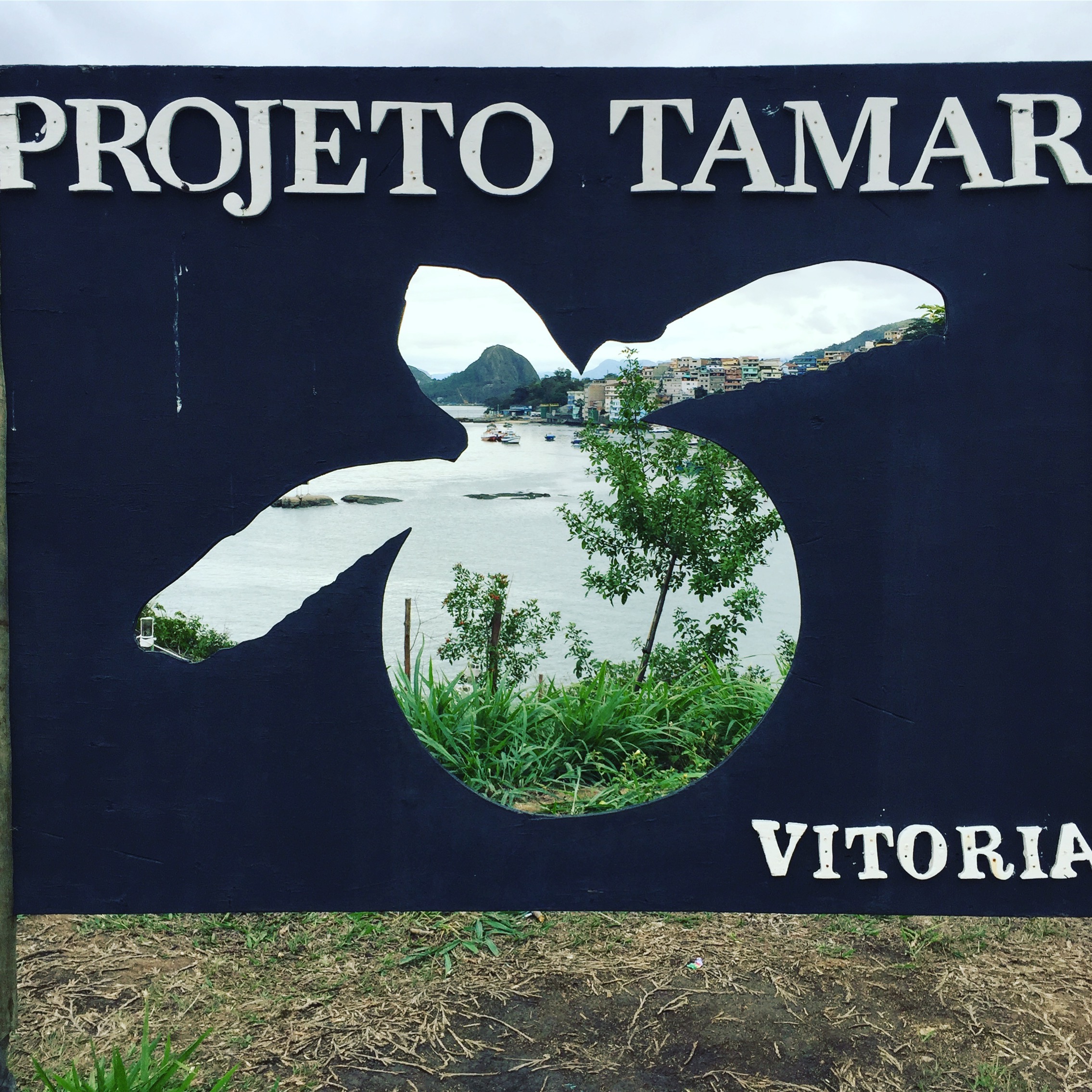
    In honor of turtles everywhere, I wanted to give a shout out to one of my favorite places to spend an afternoon in Vitoria: Projeto Tamar.


    Projeto Tamar is an NGO working throughout Brazil to study, protect, and rescue sea turtles. The name comes from the Portuguese for sea turtle, tartaruga marinha. Five species of sea turtle nest along Brazil’s coast, and one of Projeto Tamar’s initiatives it to observe and protect their nests. To date, Projeto Tamar has protected more than 25,000,000 baby turtles from egg to ocean. The organization also works with local fishermen to develop alternative methods that reduce the risk of sea turtle death from nets and has facilities up and down Brazil that work to educate the public about sea turtles and their major threats.


    They’re so close! Just a little pet…

    One unique skill I’ve developed since moving to Vitoria is sea turtle spotting. I can spot the shiny head of a turtle popping up for a breath in my peripheral vision at high noon without sunglasses. It’s one of the unintended consequences of my expat life. I’ve also become quite the amateur expert on sea turtles thanks to our regular visits to our local Projeto Tamar site. We take my daughter, but I’m the one hovering a little too close to the babies the staff always keep their eyes on. They look just like leaves bobbing in the water. A little touch wouldn’t hurt. I’d only use one finger. I’d be sooooo gentle.

    In honor of turtles everywhere and to show off my sea turtle trivia, here are five facts I’ve learned thanks to Projeto Tamar.

    Fact 1 The sea turtle species that nest along Brazil’s coast are olive ridely, green, hawksbill, loggerhead, and leatherback. The turtles I regularly see in the bay are young green turtles.

    This poor olive ridely was hit by a boat. It was rescued by Projeto Tamar and now gets physical therapy for its front flipper every Monday.

    Fact 2 Over the course of a year, the leatherbacks which nest here will migrate between Brazil and Africa. That is some impressive swimming.

    Fact 3 Most sea turtles lay between 100 – 200 eggs per nest.

    Fact 4 Experts estimate only about 1 in a thousand babies reaches adulthood in natural condition. 1 in a 1,000! Why so few? Well…

    Fact 5 Sea turtles don’t reach maturity until 10-50 years old depending on the species. That’s a long time to try and avoid all the fishermen, boats, and plastic bags masquerading as jellyfish. Odds are against surviving all those threats for five decades. It’s why killing the moms as they’re laying eggs and then harvesting the eggs is so devastating for the species.

    Fortunately in Brazil, Projeto Tamar has worked with local communities to dramatically reduce the hunting of turtles while they lay their eggs. In fact, Projeto Tamar has been working for 37 years, just long enough that they’ve recorded an 87% increase in babies hatched over the last five years compared to the previous five. The first few groups of turtles hatched under the protection of the project are finally old enough to come back and lay eggs of their own.
    And what adorable babies hatch out of the eggs! Someday, I will convince a volunteer to let me hold. Surely out of over 25,000,000, there’s one baby turtle who doesn’t mind being held by a doting human aunt perfectly willing to handle chopped up pieces of fish and squid for feedings. Just for a few seconds?


    Save

    Save

  • O Gênio do Crime: A Brazilian Middle Grade Classic

    O Gênio do Crime: A Brazilian Middle Grade Classic

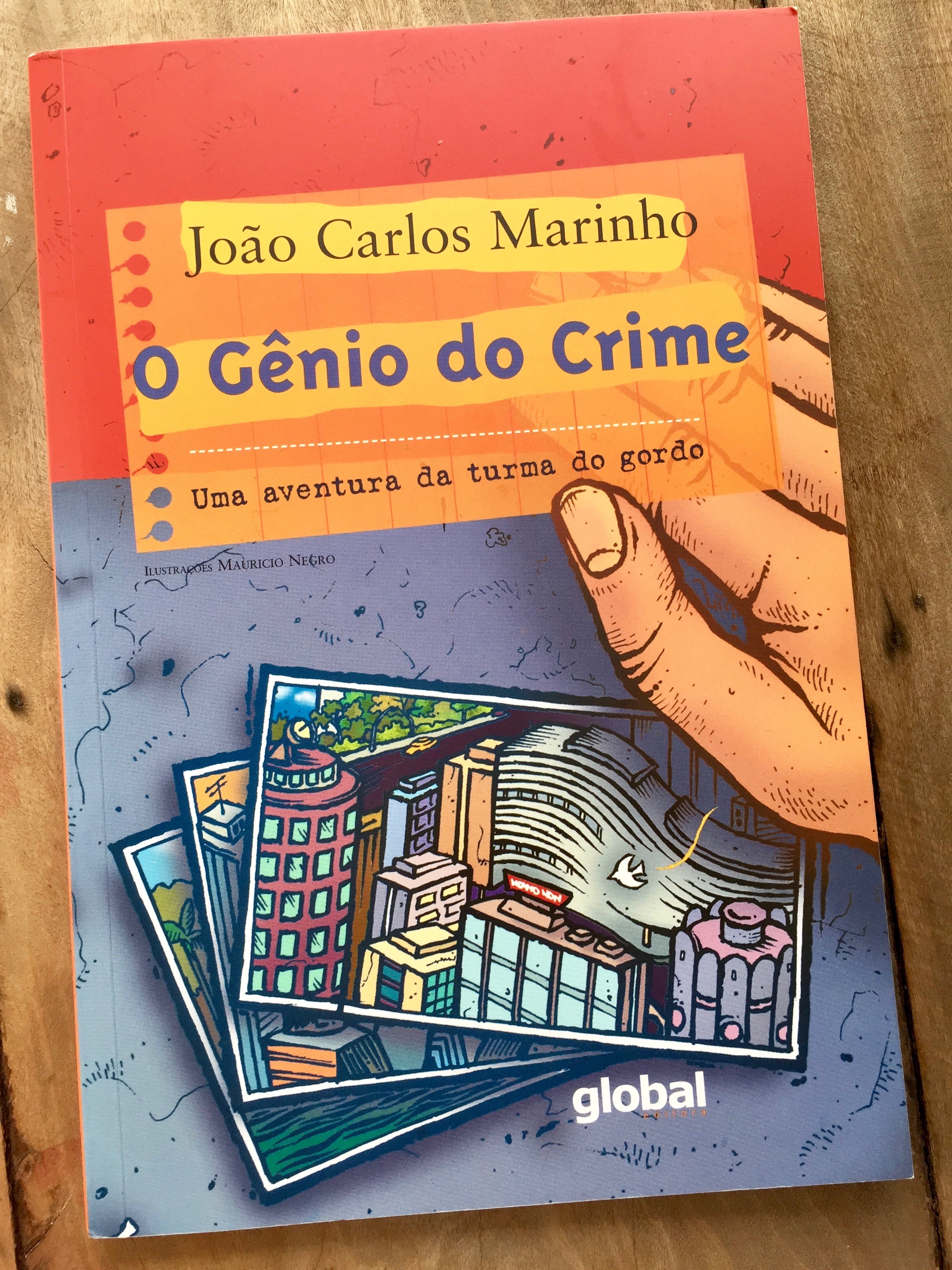
    I recently asked my husband what his favorite books were as a kid and without hesitation he said “O Gênio do Crime.” He couldn’t remember the author’s name, but he remembered in detail an ingenious system the kid detectives invented to tail a very tricky criminal. My husband remembered this book instantly after forty years, and it wasn’t about ancient Rome.

    I had to read it.

    Writing a story that stays with a child for the rest of their lives, that’s the dream for children’s authors. João Carlos Marinho solidified his place among Brazil’s greatest children’s writers with the 1969 publication of O Gênio do Crime. It became an instant bestseller and is currently #49 on Amazon Brazil’s fiction list.

    Before I go on, I regret to say that I can’t find an English or Spanish translation. A fluent Spanish speaker would have no problem reading the Portuguese text, but as far I can discover, there’s no way for a non-Portuguese speaker to read the 49th most popular book in Brazil. Which is a shame.

    The kids of São Paulo are on the verge of an uprising when the company manufacturing soccer trading cards stops awarding prizes for collecting because of counterfeit cards being mass produced in the city. (It’s possibly the most Brazilian crime ever.) The police have yet to find this “gênio do crime” (genius of crime), but Edmundo, Pituca, and Bolachão are determined to succeed where the police have failed and ensure the kids of Sao Paulo can continue collecting cards and prizes.
    It’s a thrilling adventure for three friends that takes them on chases and stake outs and even undercover as they try to discover the location of the illegal factory. The method the kids invent to follow one of street sellers, which my husband remember forty years later, is brilliant and how fun is it to read about kids outsmarting the grown-up criminals.

    But I don’t know if I want my daughter to read it for one simple reason, epic fat shaming.

    I know ever book is a product of the time and place it was written. I know that a group of ten-year old boys communicate and express friendship differently than a group of ten year old girls. I still cringed repeatedly throughout the book.

    Bolachão is overweight, and his friends never let him forget it. The tease him relentlessly even after Bolachão asks them to stop. He’s repeatedly referred to by the omniscient narrator as “o gordo”, which I’d translate as fatty. The character is defined primarily by his size and then by his intelligence, because Bolachão is the genius of the group and the one who solves the mystery. But the reader doesn’t know how smart he’s until about six chapters into the book. Whereas his weight is made clear from the first sentence.

    I talked to my husband about it. As I did not grow up a boy in Brazil, I was curious how close the the friend’s banter was to reality. Very close is what he told. Pretty mild actually. There’s a saying in Rio, “The only people never booed in Maracanã (the soccer stadium) are the Pope and Frank Sintra.” Meaning those “super friendly” Brazilians the world hears about can be harsh. According to my husband, boys and men tease mercilessly. It doesn’t matter who you are, as nobody is perfect, your friends will find that not perfect thing about you and never let you forget it, but you’re expected to give it back to them. If you don’t tease or get teased, then you aren’t among personal friends.

    Ok. I get that. However, Bolachão is harassed to a much greater extent the either of the other boys. Even the adults refer to him as “Fatty”. It’s pretty clear that for the characters being overweight is a far more serious offense the any other flaw. And haven’t we learned more about the psychology of kids and come to understand behavior that was commonplace even twenty years ago is in fact really damaging and standards for behavior should be changed?

    Does that mean we never read books written in different eras or cultures because they might offend us? Do I deny a father-daughter bonding moment by forbidding my husband to share one of his favorite childhood books with her? When everyone else her age has read it because it’s the 49th most popular in Brazil, do I tell her no?

    So the simple review I wanted to write about a famous Brazilian kid’s book has turned into a complex analysis of how to judge a book written in a different time and culture when it is very problematic by my personal standards.

    The one thing I’m sure about is that I would NOT give this book to a child struggling with body image. Nope. Not under any circumstances. The fat shaming in this book is intense, and while it’s a fun story, I wouldn’t consider it required reading.

    As for our home, and this could change because I’m still in the midst of an active internal debate, I’ll apply the same policy for reading Huck Finn. When she’s old enough, I’ll read it with her and we’ll talk about it. I think it’s important for kids to know how people acted in the past and compare it to today, but this requires an adult to lead the discussion.

    What do you think? Have you read O Gênio do Crime? How do you feel about popular older books that are problematic by today’s standards? Like I said, it’s something I’m thinking about and would love to hear other opinions.

  • My Most Brutal Agent Critique & What It Taught Me About Diverse Stories

    My Most Brutal Agent Critique & What It Taught Me About Diverse Stories

    It happened. I finally got the brutal agent response I will talk about twenty years from now at book signings. I’m a real writer now. Yay!

    I wasn’t expecting an total take down of my novel considering I wasn’t querying. I took an online workshop on historical fiction that included a critique by the agent instructor of a log line, synopsis, and first 2 pages. I’d recently finished the first draft and was eager to get feedback on what needed to be improve. Here’s what I got back.

    “Unusual can be good, but in this case, Portugal may feel too foreign to American readers…I don’t know how interested American readers are going to be in this particular era and place. There is no precedent for it. That doesn’t mean you can’t start a new trend, but first it would have to be so spectacular that readers wouldn’t be able to put it down. Unfortunately, that is not the case here.”

    Once I recovered from not having my first pages recognized for their genius and obvious money-making potential, I reread the email more critically.

    My first thought was “Portugal, a Christian country in Europe full of white people, may feel too foreign for Americans?” I’m still trying to figure out what about US demographics gives the agent this impression. If Portugal is too foreign what countries will Americans read about? Great Britain, obviously. France, yes. Germany? What about Russia? They’re white, but their culture is pretty dissimilar to the US.

    I’m assuming the agent was thinking of white Americans. But maybe that’s unfair. The agent could have been thinking about Korean Americans. Portugal is different from Korea in so many ways from language to internet speed. Korean Americans probably have no interest in reading a story set there. I know I personally only read books set in places my DNA came from. Thank God Hogwarts is in England!

    Going off that thought, maybe the large percentage of Americans who have DNA from Africa, the Middle East, Asia, North or South America would be interested in reading a story set in one of those places. This would actually be a great thing for my story.

    Which leads to my second thought after rereading the email. See if you can spot the source of my confusion.

    Log Line: 

    Three young women form an improbable friendship in order to rescue the boy, find a murderer, and thwart a coup against the Portuguese monarchy. Madness & Diamonds is a girl-power Three Musketeers set in colonial Rio de Janeiro.

    My book is not set in Portugal.

    Here’s the first line of my synopsis.

    Victoria, a servant of The Mad Queen Maria of Portugal, evacuates Lisbon to Rio de Janeiro with the royal family and 10,000 members of the court in advance of Napoleon’s invasion.

    To clarify, Brazil is the big green one. Portugal is the orange dot.

    The synopsis goes on to mention Rio another nine times. The most generous interpretation of events is that the agent was pressed for time or exhausted or probably both, skimmed my material in a rush and latched on to the first nationality mentioned, Portuguese. Or the agent typed Portugal but was thinking Brazil? I also considered the agent may not know where Rio de Janeiro is. (At Christmas I had to tell a homeschooling mom what continent Brazil is on, so thinking Rio is in Portugal is totally possible.)

    Whatever the reason for the confusion, it’s just as well for me because if Portugal is too foreign, I can’t imagine what feedback I’d have gotten on a story set in Brazil.

    In fairness, the agent cited one problem with my pages and synopsis: clarity. I absolutely agree based on her feedback that certain aspects of the story need to be made more obvious. I also know that complaining about a bad critique can make me seem petty to unprofessional. All writers get bad critiques. Get over it. And I would have except for one fact.

    This agent is a Gatekeeper with a capitol G, and it was abundantly clear from the critique, this agent would never take a risk on a manuscript that was “too foreign.”

    Foreign too whom? White, Christian Americans.

    I joked about who the agent was envisioning when saying Portugal is too foreign for Americans, but it’s obvious what specific demographic she defines as American. What infuriates me is that the “Americans” this agent is considering will not even represent the vast majority of the population in a few years.

    The Census Bureas predicts that by 2020, the majority of kids in the United States will be members of a minority race or ethnic group. Every single person working in children’s publishing in any capacity should know this fact because while the demographics of American children have changed, children’s publishing is still overwhelmingly white. Last year only 28% of children’s books were by and/or about people of color. That percentage is actually big jump from only two years earlier. However there’s still going to have to be a massive increase in stories about POC in the next few years, if children’s fiction in the U.S. is going to reflect the diverse reality of the country’s kids.

    But how is children’s publishing going to change if the Gatekeepers think Portugal is too foreign for Americans?

    Literature is also a proven way to develop empathy for people different from ourselves. Only 11% of children’s books published in the last 23 years had multicultural content. In today’s globalized world, it is essential children grow up aware of the variety of people that exist in the world. Not to mention the foreign-born population in the U.S. is predicted to reach a record high in 2025, roughly 15% of all people living in the U.S. will have been born in another country. (That statistic doesn’t even include people like my daughter, who is an American born abroad.) Empathy and a global perspective are critical tools for success in today’s world.

    I’m going to end with a thank you to the agent who sent this critique. I had read the data and accounts from authors of color and those trying to publish books with diverse characters and settings. I was aware of the challenges these writers and books face but I wasn’t clear on the exact form they take. Now I know, and I’m more determined than ever to finish revising my story set in Brazil. I’m going to get it published. Then I’m going to sell it to Americans. Finally, I’ll send a copy along with the book’s sales numbers to that agent.

    Although even then, I won’t have any idea how Americans feel about Portugal.

    Save

    Save

    Save