 I had to update my resume last week for the first time in several years. I was filling in dates and noticed a nearly three year gap between jobs. Thanks to some nonspecific start dates, on the resume it looks like only a two year gap, but I know the truth. I didn’t do anything for three years. At least not anything that could be put on a resume.
“September 2006 – October 2009: Learning new language, new marriage, new culture and trying to avoid plunging into serious depression,” does not count as legitimate work experience.
It’s not just the lack of formal employment that struck me. I had a blog that whole time, yet I almost never wrote in it. I didn’t need any Portuguese or work permit to write. What’s my excuse? Why did I do nothing for the better part of three years?
I think I finally have an answer. I was mentally incapacitated. I’m not kidding. Over the last three year, I was physically unable to produce quality thought or work during that time because my brain’s limbic system had taken control from my cerebral cortex due to the constant stress I was under from culture shock.
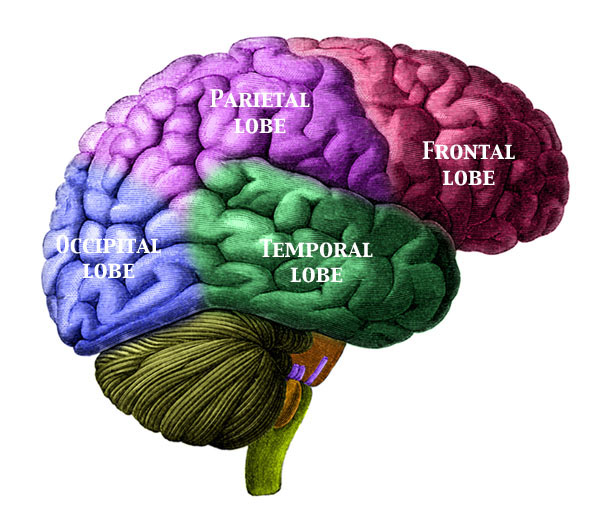
I came across an article written for teachers of creative writing. It explained from a neurological standpoint how stress inhibits creativity. Human brains are typically divided into 3 systems: the brain stem which keeps your heart beating, the limbic system which provides emotion to input like “be happy,” or “get ready to kick some ass,” and the cerebral cortex which handles most of the problem solving, creative thinking that defines being human.
When a person is relaxed the cerebral cortex is in control. Creative thinking comes easily. People are able to consider options, weigh consequences, and make a rational decision.
Unfortunately, the cerebral cortex is not always in control. The last time someone cut you off and your face flushed and you imagined running the jerk off the road? That would be your limbic system. When the idiot cut you off, the driver was perceived as a threat, and your limbic system triggered your fight or flight response.
With the limbic system in control it’s physically impossible for someone to be at her creative best. Rational thought? Not possible either. Focusing on solving a problem? Nope. Self-motivation? Sorry, not handled by the limbic system. But long naps, crying, cursing, and slamming doors are all things the limbic system does very well.
That last list of behaviors are pretty common manifestations of culture shock. To people who’ve never lived abroad culture shock might sound, I don’t know, obvious. “Gosh, living in a new country is difficult.” And something so obvious must surely be avoidable. “Maybe if you just did the prep work and had the right attitude, you’d be a local in no time. Just like Julia Roberts in that movie with the pasta and elephants.” Right?
God, I wish. As far as prep work goes, I studied culture shock. I worked with international students going through the process. I have a freakin degree in cross-cultural communication. And how did I handle moving to Brazil? Well, I have the first three seasons of Grey’s Anatomy and Sex and the City memorized. Feel free to draw your own conclusions.
It does not matter how much advance research you do, everyone goes through culture shock. What we call culture shock is the brain creating a new operating system for the new environment. Your brain has been trained to operate in a specific environment. In your own culture your brain knows what meaning to attach to symbols and behaviors. It can anticipate reactions. It can predict a chain of events. Different cultures have different cues, and thus require a new operating system.
Culture Shock has physical symptoms. Headaches, stomach pains, an unfortunate variety of digestion problems, physical exhaustion, all are a result of the enormous 24 hours a day, 7 days a week workload your brain is handling. The brain is frantically creating new connections and pathways to understand the new culture.
This constant work, combined with the fear from not understanding the words or behaviors of people around you puts serious stress on your body. And what happens to our brains when we’re stressed? The limbic system takes over. Limbic system inhibits creativity and problem solving.
And so, due to the stress of culture shock I was physically incapable of producing my best quality, or any, work from 2006 – 2009. That’s my story. I’m sticking to it and honestly I don’t have a better explanation for my sudden change in behavior.
Beginning last October, after not writing for 3 years, new blog topics started popping into my head daily. I’ve been writing regularly since February and enjoying it. I have the energy and desire to go jogging. I can’t remember the last time my previously moody stomach complained. It feels like I found myself. It took three years but I think my limbic system finally surrendered control.
Hello, cerebral cortex. It’s so nice to be working together again. Can you help me update my resume?