Tag: Teaching

  • 5 Amazing Brazilian Children’s Authors

    5 Amazing Brazilian Children’s Authors

    When I first began shopping for children’s books in Brazil, I had a hard time finding books by Brazilians. It was crazy. I was in Saraiva, one of the major chain bookstores in Brazil, and I noticed the books I’d picked were all translations from American authors. So I began hunting for books by Brazilians. I picked up one book after another. Published in France. Published in the UK. Published in Italy. I picked up one with a Macaw on the front. Macaws are from the Amazon. It had to be Brazilian. Nope. Published in Columbia.

    There are of course many amazing Brazilian authors writing for children, but despite amazing native authors and children’s lit community, I had to research and order books by Brazilians. My local chain bookstore in Vitoria was no help, which is just wrong.

    So I’d like to introduce five of my favorite Brazilian children’s book authors. I’ve included links for English translations when available. Based on what Spanish speaking friends have told me, a native Spanish speaker should have no trouble reading the Portuguese, but I’d love to get more Brazilian kid lit translated into English. I’ll add it to the list of life goals.

    ANA MARIA MACHADO

    Machado was born in Rio de Janeiro in 1941 and has written over 100 books for children. In 2000, Machado won the international Hans Cristian Andersen Award, which designated her one of the greatest children’s authors in the world. She began writing in 1969 and wrote specifically for children because during the military dictatorship in Brazil, children’s literature along with poetry and song, “were amongst the few literary forms with which, through the poetic and symbolic use of language, you could make the ideas of a joie de vivre, individual freedom and respect for human rights known.” Some of her most famous books include A Menina Bonita do Laço de Fita, about a white bunny who desperately wants to become a beautiful black like the little girl next door and the advice she gives him, and Bisa Bia, Bisa Bel, about a girl’s internal dialogue with her great-grandfather and her own great-granddaughter. A Menina Bonita do Laço de Fita is available in English on Amazon.


    CECILIA MEIRELES

    Born in Rio de Janeiro in 1901, Meirelles published her first work at the age of 18, and she was every bit the genius you’d assume based on that fact. She’s known in Brazil primarily as a poet, but she was also a professor, journalist, painter, playwright, and fiction author. There aren’t many types of writing she didn’t publish in. She could do it all. Meirelles was one of the first women in Brazil to be recognized as a great literary voice. Some of her most famous works for children are   “O Cavalinho Branco”, “Sonhos de Menina”, and “O Menino Azul”. The musicality of her lines is so strong, that “O Menino Azul” still sounded lovely when I read it aloud. (And as all adult learners of a second language know, nothing is harder to read aloud in a foreign language than poetry.) I haven’t been able to find any of her children’s works translated into English, but you can find many of her most famous poems translated in this anthology of Brazilian poets.


    EVA FURNARI

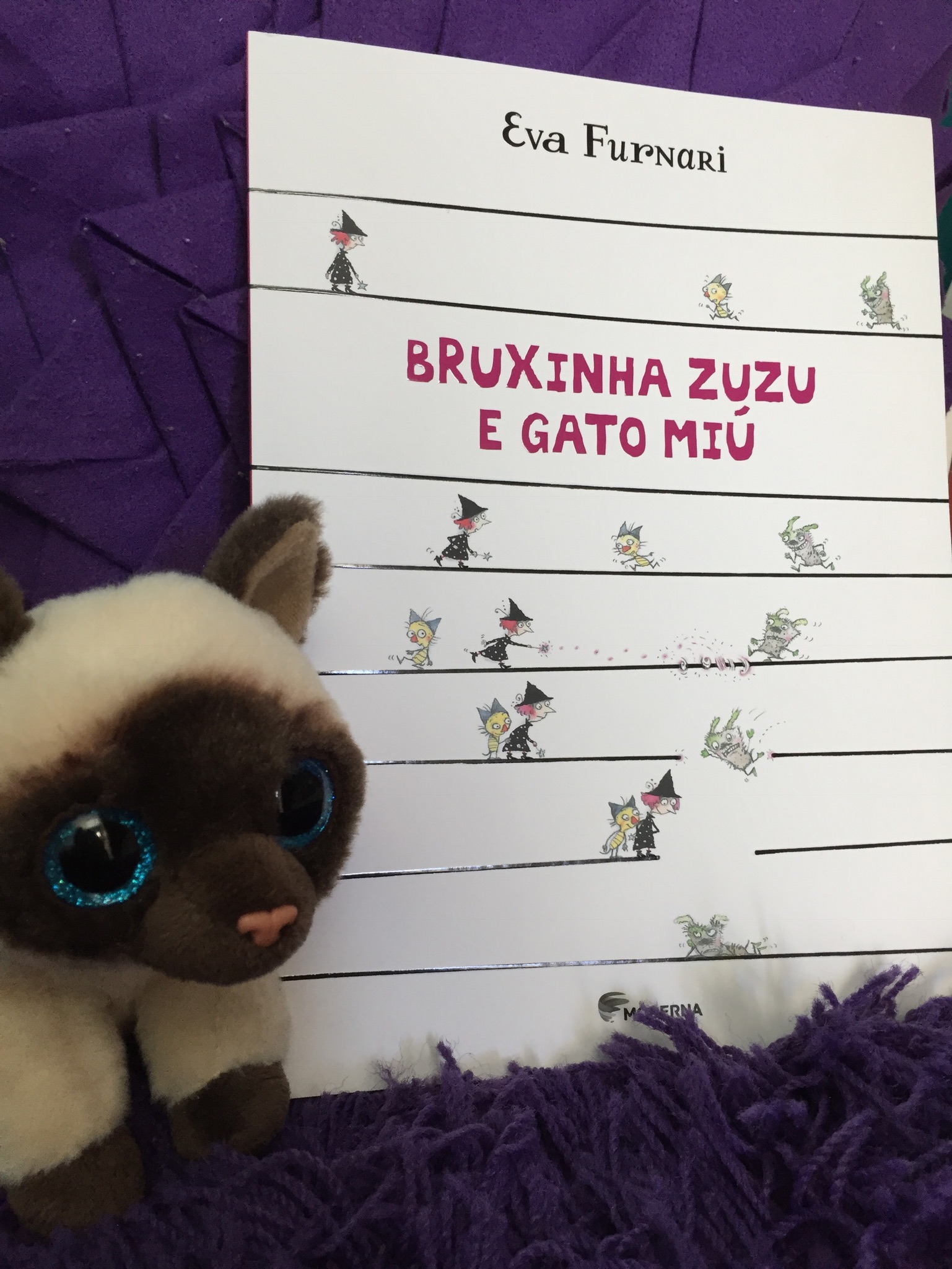
    Furnari is an Italian-Brazilian author-illustrator. I’ve been able to forgive her for hoarding so much talent (author-illustrators seem so unfairly awesome) because her characters are so delightfully quirky. Born in Rome in 1948, she moved to São Paulo at the age of two and has lived there ever since. She came to children’s books in the early 1980’s through art and initially worked exclusively an illustrator before creating her own characters and stories. One of her most famous characters is A Bruxinha Zuzu or Zuzu the Little Witch, who never quite seems to master the power of her magic wand.  Many of Funari’s books are textless, including our favorite A Bruxinha Zuzu e o Gato Miú, and can be enjoyed regardless of what languages you read. One of her most famous and award winning stories, Felpo Filva,  is available in English as Fuzz McFlops in both the US and UK.


    SONIA JUNQUEIRA

    Born in the state of Minas Gerais in 1945, Junqueira published her first book at the age of 37 and has gone on to write more than 100 children’s books. She worked as a professor and editor before becoming an author. My daughter and I discovered Junqueira through a book swap at school. My daughter, always the animal lover, picked up a book with a cute cat on the front porch. I was the first story in verse that was more poetry than story and I honestly wasn’t sure how well she’d like it. A Poesia na Varanda was a hit and inspired me to buy Where the Sidewalk Ends during our Christmas trip to the US. I haven’t found any English translations but many of her world are available outside Brazil in Portuguese through Kindle.


    VERONICA STIGGER

    Stigger is not really known as a children’s author. She’s a journalist, art critic, and writer primarily for adults known for challenging rules of genre and format in her work. Born in the state of Porto Alegre in 1973, Stigger began working as an essayist for radio and television. She then pursued a PhD in Art theory and Criticism and pursued research and various post-doctoral work before publishing her first collection of stories for adults in 2004. So not a career kid lit writer. However, one of her most recent books, Onde a Onça Bebe Água, Where the Jaguar Drinks Water, is one of the best books I’ve read for teaching empathy and seeing the world through a another’s eyes. In the story, Jaci is forced to consider the world from the perspective of the Jaguar he’s ends up dining with. Unfortunately, there isn’t an English translation of it or any of her books that I can find but several of her adults works do have Spanish versions available on Amazon.
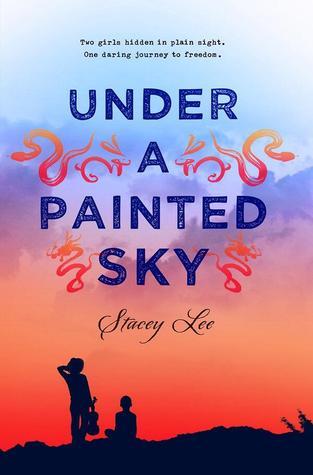
  • MKB Read Around the World Series: Under a Painted Sky

    MKB Read Around the World Series: Under a Painted Sky

    Today for MKB’s Read Around the World Series, I’m recommending a beautiful tale of friendship set during the Oregon Trail! It’s a beautiful book and a must read for any history or adventure lovers!


  • MKB Read Around the World Series: The Star-Touched Queen

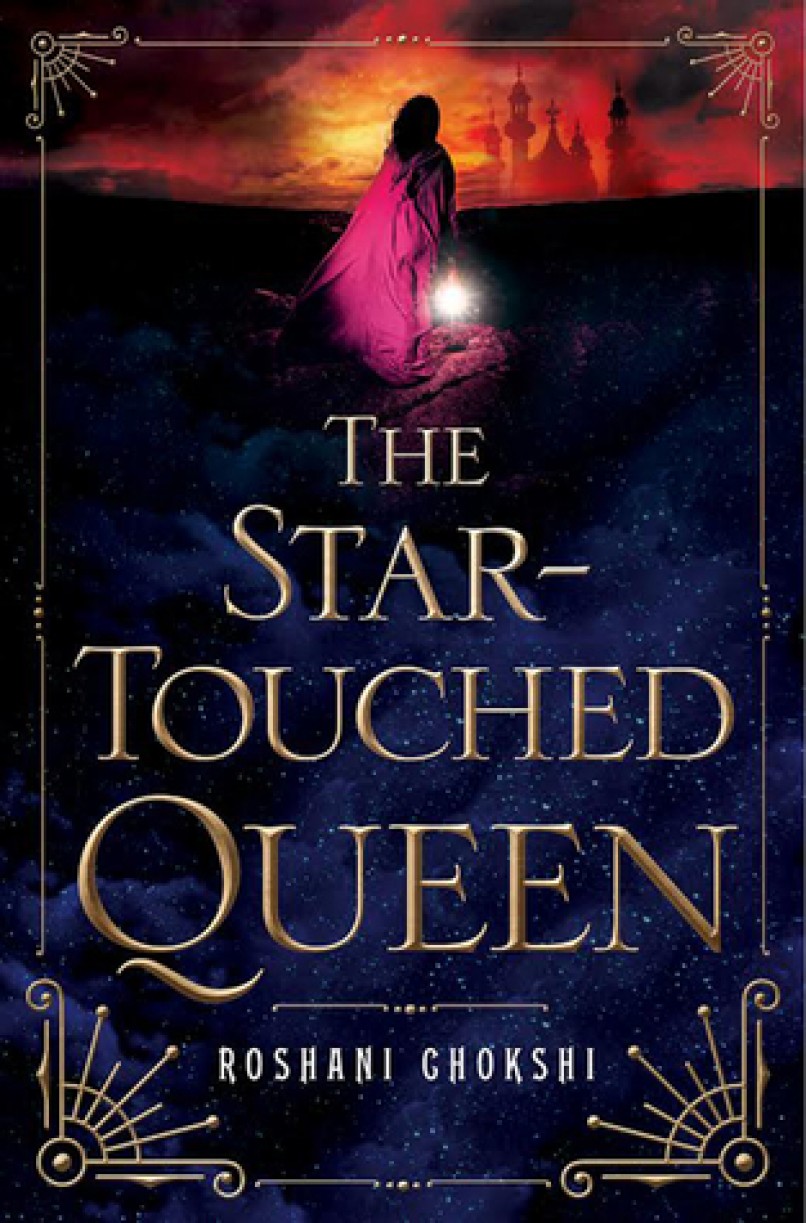
    MKB Read Around the World Series: The Star-Touched Queen

    I’m posting another recommendation for MKB’s Read Around the World Series! Today it’s an amazing young adult fantasy set in India!

  • Why Doesn’t Anyone Know a Thing About Brazil?

    Why Doesn’t Anyone Know a Thing About Brazil?

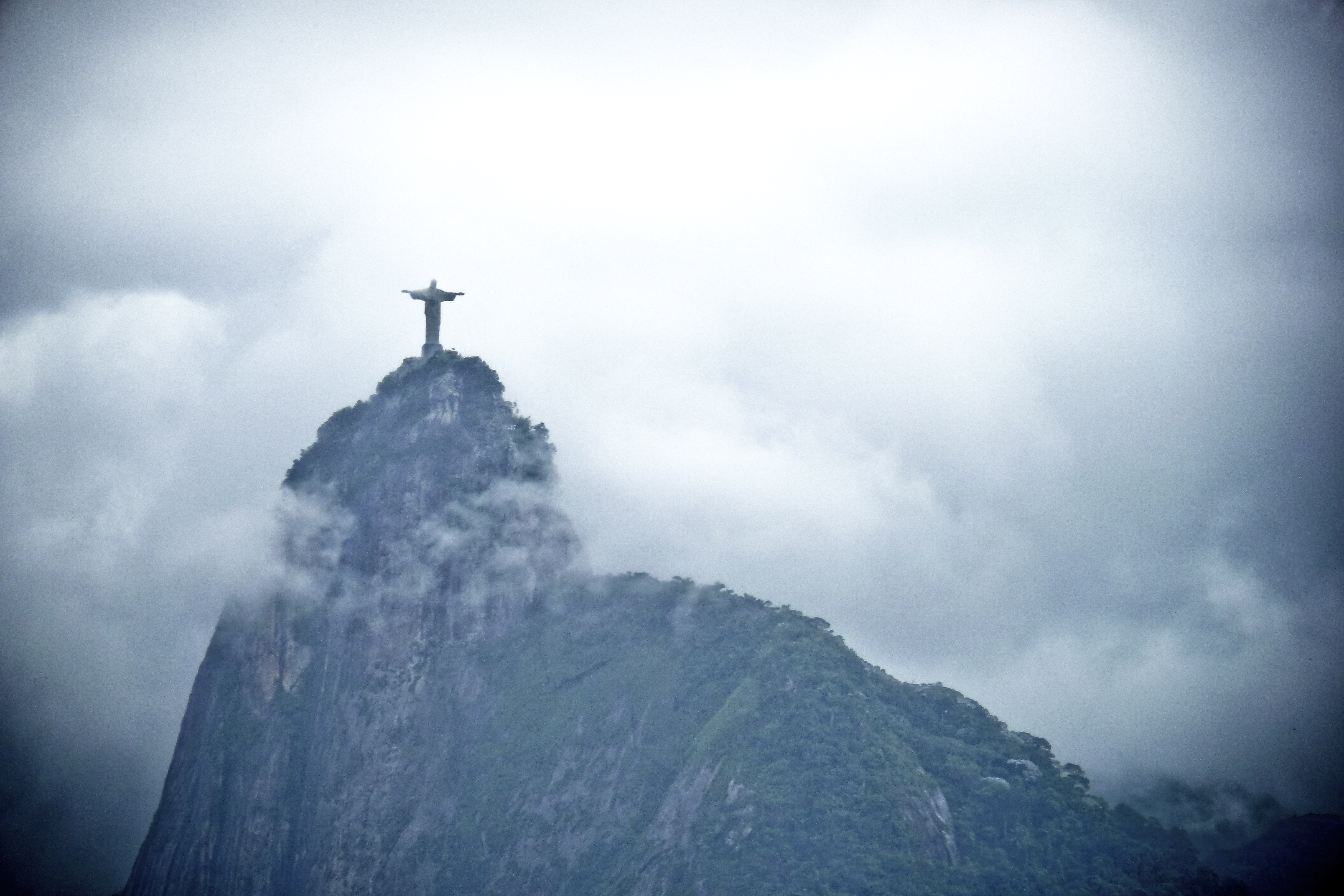
    Rio 1 2008-82There’s a famous comedy sketch in Brazil that features a home invasion with the owner held at gunpoint. The masked assailant aims at the owner and barks “Name the major tributaries on the left bank of the Amazon River!” The owner rattles off several rivers in rapid succession. The bad guy immediately lowers his gun and leaves taking nothing. The homeowner stands, exhales and says “I knew that information would be useful some day.”

    Every country has its own “tributaries of the Amazon”. I had all fifty US state capitols memorized for most of fourth grade then never again. Why would I retain the capital of Wyoming? The world’s a big place and geography is only one of many subjects to master. With a background in international relations, I know where Brunei is but nothing about computer coding. That’s why I won’t judge someone for not being able to place Sri Lanka or name the capital of Azerbaijan, unless that person is on the Senate Foreign Relations committee.

    But Brazil is not Sri Lanka.

    Brazil is not a tiny country with a tiny population and a tiny economy. It’s a huge country with a massive economy but still nobody in the US knows anything about it. The average American knows people speak Arabic in Tunisia and Spanish in Argentina, but ask her about Brazil and she hesitates. People generally know India is important in the global economy but what does Brazil produces exactly? Mention Guatemala, Korea, or Sweden and most Americans will imagine someone with a particular phenotype. What do you think of when you hear “Brazilian”?

    Several years ago, I was visiting my parents in Atlanta and I read an article in the neighborhood newsletter about a recent mugging in the area. The victim gave a helpful warning to other residents to be on the lookout for someone who looked “Brazilian”. Whaaaat?!!! The only less helpful description would be to describe that attacker as a Homo sapien.

    The most upsetting fact was that my parents live in a highly educated neighborhood and still “Brazilian” was published as a helpful description of a person. Even these people wallpapering in college diplomas didn’t know the most basic things about Brazil, like the fact a Brazilian can have ancestry from anywhere.

    And there really is no excuse for it.

    Brazil has the seventh largest GDP in the world. It’s economy is larger than India, Russia, Korea, or Canada and that was coming off of a bad year. At roughly 206,000 million people, Brazil has the fifth largest population in the world. There are more Brazilians than Japanese, Germans, or Mexicans. Globally speaking, it’s pretty common to be born in Brazil. Brazil is also the fifth largest country in terms of land area. It’s bigger than Australia. In terms of exports, Brazil is the US’s seventh best customer ahead of France or India.

    I’ll admit a pro-Brazil bias given that my husband and daughter are both Brazilian, but knowing what I do now, I’m embarrassed by my pre-husband ignorance of Brazil. I’d like to spare others my embarrassment, so here are five basic facts every person should know about Brazil.

    1. Language  Brazilians speak Portuguese! Brazil is the largest country in South America and the official language is Portuguese, not Spanish.
    2. Capital City  The capital is Brasilia. The largest city in terms of population and economy is São Paulo. Rio de Janeiro was the capital from 1763 until 1960, which is why it’s the most frequently given wrong answer to the capital of Brazil question.
    3. Type of Government  Brazil is a democracy and it’s not just a part of the country’s name that is never actually lived up to. Brazil transitioned to a constitutional democracy in 1988 after 30 years of a military dictatorship. Brazil stabilized and entrenched the new constitution in less than a decade, which is amazing considering it takes that long to get a pothole fixed here. Currently President Dilma’s approval rating is 8% and people are demanding an impeachment. Not a revolution. Not a military invasion of the President’s mansion. Literally the entire country despises the current government, but the people want to work within the rule of law. Bravo Brazil! You guys can express your absolute and unified hatred of the current government within the confines of the constitution. Well done!
    4. Economy Really, really terrible at the moment. So, uh, let’s just talk about exports. What does Brazil produce? The top five exports are iron ore, crude petroleum, soy beans, raw sugar, and…any guesses? Poultry. Nobody, not even my Brazilian high school students, ever guesses chickens.
    5. Fun Fact To Impress Friends Brazil has been a colony, a monarchy, a dictatorship, a military dictatorship, and a republic. Name a type of government and Brazil has tried it.  The country celebrates two independence days.  The first on September 7 celebrates independence from Portugal and the second is on November 15 when Brazil transitioned from monarchy to republic in 1889.

    I hope people’s general awareness about the country improves before we move out of Brazil and my daughter is expected to play the role of walking Wikipedia article on the country. What language do they speak is a really boring question to repeatedly answer.

    After all, Brazil is not a tributary on the left bank of the Amazon or the capitol of Wyoming. It’s so much more important. But not many people know that.


    Badge-smlImage_zps04194192

  • Beards Before Brains

    Beards Before Brains

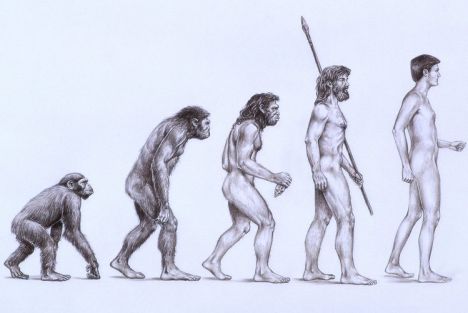
    Being pregnant, I’ve become aware of several areas where evolution has either slacked off a little or failed utterly to come up with a sensible solution.  Obviously pregnancy is one of those areas.  Humans started walking upright but failed to develop a means of procreation that didn’t involve heartburn, back pain, hemorrhoids, and the inability to tie your tennis shoes.  I’m amazed were able to survive because if I were at this moment on the Serengeti trying to avoid a predator, with my diminished lung capacity and screwed up center of gravity, I’d be toast.

    Pregnancy is not the only flawed process evolution has led us to.  What master planner thought it was a good idea to combine adult bodies and still developing brains? Because this is the plight of the teenager.  A creature frequently misunderstood and the cause of many car insurance claims.  After only four months of working with teenagers, ranging in age from 14 to 17 years old, there is no doubt in my mind that I am working with children.  Children who can grow beards.

    Many if not most of my students would (and I’m sure will after they read this) vehemently disagree.  When in class I have addressed them as “children”, perhaps while they were poking each other in the ribs or making snot-like balls of glue at their desks, they have protested.  They adamantly state, “No teacher, we’re not children,” while painting their fingernails with white out.  Limited class time and a heavy curriculum keeps me from having the time to explain to them that, yes, they in fact are children and it is in no way meant to be an insult.  It is a reminder to myself that while many of my students may look like adults, towering several inches above me or with a few days worth of stubble on their chins, they do not have the brain of an adult. I need to adjust my expectations accordingly.

    Science backs me up.  Research seems to agree that 25 years is the age at which a human brain fully matures.  Recent studies have shown a significant difference between the brains of an 18 year old and a 25 year old, specifically in the prefrontal cortex.  This area of the brain is in charge of decision making, determining right-from wrong, predicting the future and exerting self-control.  All things teenagers are notoriously bad at doing.

    Again, I say that evolution really screwed up by giving people fully functioning reproductive systems before fully functional brains.  That is just really terrible planning.

    I think teenagers themselves should be out promoting this fact.  The world would probably go a lot easier on them if people started looking at them and thinking “old kid” as opposed to “young adult.”  When a kid sits quietly through a movie without disturbing anyone, they’re praised.  Well according to the research, a teenager who can think “Maybe I should not spend this movie texting my friends because it might disturb someone,” should be praised as well.  Thinking beyond themselves and predicting the future are difficult tasks for their immature brains. “Way to think about possible future consequences of your actions, little Johnny!  Good job!”

    It is hard to remember these facts.  I can’t help but expect someone with a size 12 shoe to be able to reason.  But for all the frustration that begins to bubble when I’m presented with their faulty logic (“You want me to give an extension because you were really busy the day the essay was due?  What about the other 13 days you had between when I gave the assignment and when it was due?), I truly am impressed by my students.  Because when I do remember that they are older kids with a decade’s worth of brain development still in front of them, I realize the fact they sit through 10 hours of class a day is amazing.  The fact that they spend several afternoons sitting in classes taught in a second language is amazing.

    So, I’ll do my part for my students by lowering everyone’s expectations because currently my pregnant belly and I are in the same boat as they are.  Evolution has failed us miserably.

  • You shouldn’t be teaching if you can’t figure out Facebook

    You shouldn’t be teaching if you can’t figure out Facebook

    It’s my opinion that if you can’t figure out how facebook works, you shouldn’t be teaching.

    Since becoming a teacher, any headline about the profession catches my attention and it seems like every week I read another article about a teacher getting fired or put on probation for an inappropriate tweet, blog, or facebook posting.  Out of curiosity I searched “teacher fired facebook” and got 3,490,000 hits.  “HS teacher loses job over Facebook posting” “Teacher Fired After Candid Facebook Comments”  “Teacher Sues after being fired for Facebook Pics”  It goes on and on.  One teacher took a picture of a student’s hair, posted it on facebook and added a comment making fun of the girl’s hairstyle.  Ultimately the girl’s mother saw the photo and the teacher’s comment.

    Even if I accept the fact that American culture seems to no longer have any problem with adults insulting and tearing down kids (see: the entire Internet v. Rebecca Black), I can’t accept any educated adult expecting tweets and blogs to be private.  The whole point of twitter is to communicate with many people instantaneously.  This is not the place to discuss hiring a hitman to take care of your students.

    I’ve only been teaching for four months but that is more than enough time to understand every teacher has days when she needs to vent.  Venting is healthy.  Venting fosters sanity.  Venting should NEVER be done on the Internet.  Unless you are Bill Maher and people follow you on Twitter specifically for the insults you hurl in 140 characters, do not post rants about your students, their parents or your administration online.  Talk to your partner over dinner.  Talk to your friends over drinks. Write it in a diary and save it for the bestselling memoir you’ll write when you’ve retired.  Don’t update your Facebook status.

    I agree with commenters who think teachers are held to unfairly high standard.  The Georgia teacher fired because of a picture of her drinking Guinness at the Guinness factory is an example.  Teachers are human and should not be fired for being such.  I’m just waiting for the moment my pregnant and gassy body lets one rip in front of an entire class of teenagers.  I hope it doesn’t get me fired.  The experience will be scarring enough as it is.

    However, typing and uploading your darkest thoughts in a fit of frustration or getting a few laughs from buddies at the expense of a child is unprofessional at best.  Exerting some self control is a defining characteristic of an adult.   And don’t argue an expectation of privacy because honestly, if you think something defined by the term “network” is an intimate forum, you should not be teaching.

    So I just realized I followed up a post on not judging other parents with one judging other teachers.  Hmmm.  Oh well.  No one’s perfect.  Gosh, it really is hard to keep opinions to yourself.

  • One Day as a Teacher

    One Day as a Teacher

    Here’s what I do in my new role as teacher.  I read the chapters of Great Expectations we’ll be covering, marking all difficult vocab that will probably need to be defined and difficult passages that will need to summarized as a class.  Plan class on introducing Charles Dickens and Great Expectations. Find fun youtube clip on the life of Charles Dickens.  Make adjustments to the supply and demand game that didn’t go well in class the day before.  Make new material for tweaked supply and demand game. Correct and grade 15 essays on a personal response Aesop fables.  Teach class for 3 hours.

    That was this past Wednesday.

    I realized two things after logging in to write a new post: 1) People link to my blog from pretty bizarre search terms and 2) I only wrote two posts for the entire month of April.  Last November, I cranked out more than two posts a week.  Still not anything close to the commitment of blogging all-stars, but it was still a big chunk of content for one month.  Now, I have a job and a condition called pregnancy which robs me of the energy to do anything productive past 9pm. Unless your definition of productive is eating Belgian chocolate ice-cream and streaming the previous night’s Daily Show, in which case, I make my greatest contributions to society after 9pm.

    Clearly, I’m going to have make a conscious commitment to maintaining Coconut Water.  I don’t want it sitting out languishing in the Brazilian sun developing a film of bacteria and mosquito eggs.  (Can mosquitoes lay eggs on coconut water? Probably, they’re basically invincible.)  The end result of this pregnancy is a baby, which I’m told, will devour whatever remaining free time I have and possibly my will to shower and tolerate other human beings.  The chances I’ll be getting back up to two posts a week are small.

    Or maybe not.  I will be on maternity leave for four months, and while breast feeding is supposed to beautiful, I haven’t heard anyone call it intellectually stimulating.  I might desperately cranking out posts.  In the long term though, next school year should be easier.  I won’t be new to the material and spending hours planning every class.  I’ll already have my youtube clip of Fozzy Bear reciting Robert Frost.

    The really amazing about my daily schedule right now is that I only teach part-time.  I’m in front of a class teaching 16 hours  yet find myself working all day, every day.  I think what I really need is one of those cushy full-time teaching jobs those pundits keep talking.

  • Coolest extracurricular activity ever!

    Coolest extracurricular activity ever!

    I’ve spent the last couple of days editing essays.  I’m drowning in essays.  During a break, I watched a clip of the Daily Show where they showed a commentator ranting about how teachers are paid too much for a part-time job.  I envisioned ramming a two-inch stack of ungraded essays down his throat until he chocked.  It made me happy and reminded me that I still had about 20 essays left to grade.

    When not being used as a weapon, my student’s essays are also an endless source of amusement.  I fill entire dinner conversations relating what pearls of wisdom my kids have come up with.  The essays are also helping me compile a list of potential extra curricular activities available in Vitoria for any future Brazilian-Americans I have in my house.

    It’s fascinating to see what activities teenagers in the US and Brazil share and what activities are unique not just to Brazil but to Vitoria.

    It’s no surprise a kid in Vitoria can be a soccer player but I also have competitive basketball players, skateboarders and surfers as well.  Judo is pretty popular.  There are ballet studios and acting lessons. With my guitar players, drummers, pianists and singers, I can supply any event in Vitoria with a band.  One of my students has taken cooking lessons and runs a small business catering desserts for parties.  Another is a financier in the making, having taken classes on the stock market and started his own investment portfolio.

    But I think my favorite hobby, of all the hobbies I’ve read about, is competitive oceanic fishing.  It’s not my favorite because it’s anything I’d like to be proficient at myself but because it is such an utterly foreign activity to the suburban, Atlanta culture where I grew up.  Competitive oceanic fishing!  Maybe there were some kids in my school who regularly caught trout from the Chattahoochee River but nobody was heading to Australia to compete catching marlins.  Which is exactly what one of my students did.

    I mentioned this to my husband and he said “Oh sure, Vitoria is one of the best spots for oceanic fishing along Brazil’s coast.”  Huh, a new fact about Vitoria thanks to my students’ essays.  It seems one of the perks of being a teachers is that the learning goes both ways.

    Oceanic fishing is a skill I would never have thought to offer any of my future kids.  It wasn’t part of my childhood and I would not have made it part of theirs.  Now I know.  And if the kid doesn’t like fishing, there’s always surfing, sailing, samba dancing, cooking, judo and of course, soccer.

  • New job, new blog

    New job, new blog

    Almost two months since my last post.  I know.  Bad blogger, but I have an excuse.  I got a job.  A hard job.  And the blogging had to be put aside until I found my footing.  Let me explain.

    The last time I was required to show up for work five days a week was September, 2006.  As a result, I have been blind sided, chewed up, spit out, wrung out, and manhandled by a regular work schedule.  And I’m so much happier.

    When hired as a teacher at a private school here in Vitoria, the moment called for champagne, but I have to make a rather embarrassing confession.  While I believed teaching was a better job than no job at all, I deep down thought it was beneath my potential.  I truly believed teaching was a profession people joined who didn’t think they could make it in more competitive fields.  I had a truly brilliant roommate in college who was passionate about teaching and education, but I didn’t base my assessment of the field on her.  Rather, in my facebook colored perception of reality, I based my assessment on all the mediocre students I had gone to high school with who are now, according to their profiles, teachers.  If someone who barely passed biology could go on to be a science teacher how hard can the job be?

    When I get home at night my feet are throbbing. My voice is worn out.  My patience is gone.  I don’t have energy to care about what’s for dinner let alone remain standing long enough to make it.  I drift listlessly around my apartment from 9:30 to 10 because I just can’t go to bed before 10 but I can’t think hard enough to give myself any direction.  I’m asleep by 10:30.

    It’s pretty hard.

    I now know the people in the US currently complaining about cushy teacher salaries have never really considered what teaching entails.  There’s pretty much a consensus among people who have kids that raising them is hard.  Kids don’t pay attention. They don’t think.  They lack knowledge, motor skills, and basic hygiene often into adulthood.  Ideally parents come as a two person team but often one parent ends up in charge of the kids.  Again, we agree that one parent with two or three kids, “that’s a tough job.”  Teachers have 20 kids, all to themselves, for 180 days a year.

    Think about handling a herd of those adorable, self-involved, cognitively underdeveloped munchkins.  Now think about having them all day, every day.  Did I mention you have to do more than just keep them from gluing their hair together or cracking their head open as they lean back in their chair? No, preventing physical injury is not enough.  You must also keep their attention and help them learn something they didn’t know before coming to you.  You must stimulate their creativity and logical reasoning.  You are not allowed to send the slow ones, or the obnoxious ones, or the slightly smelly ones off into a corner.  You must work with all of them.

    To sum up, a teacher must take a group of kids, keep them safe, awake, focused and then improve them.  A teacher must send the kids home as better, more knowledgeable human beings every day or she is not doing her job.  Teaching requires creativity, improvisation, patience, public speaking, stamina, organization, diplomacy, all in addition to knowledge of the subject being taught.

    Any teacher making less than a six figure salary is underpaid.

    I am underpaid. But happy.  I was wrong about teaching.  It is an immensely rewarding challenge.  One I’m thoroughly enjoying.  Not that I would say no to a six figure salary.