It’s finally happening! After more than a decade of writing, I can finally answer the dreaded “Oh, you write novels? Where can I buy your book?”
At your local bookstore! That’s where! Jaguars and Other Game, my gender-flipped, Three-Musketeers-style adventure set in 1809 Rio de Janeiro, is available for pre-order from any local bookstore. (Shout out to my indie, Charis Books!) Or if you prefer, buy digital copies from Amazon or Barnes&Noble! Grab a signed first edition directly from Orange Blossom Publishing!
I have inwardly cringed at the “Can I buy your book?” for years. Writers constantly share memes “If you write, you’re a writer,” but let’s be honest. If you constantly talk aloud to yourself without an audience, you’re not an actor. You’re the person at the coffee shop no one sits near. And a writer without readers is a prolific diary keeper with delusions of grandeur. An author requires an audience.
Of course, we’re always warned to be careful what you wish for. Once your book is out in the world, it’s fair game for readers to interpret, critique, review and judge. Despite desperately wanting people to read my book, I was also terrified of people reading my book. I carried around a knot in my stomach from the moment my publisher uploaded Jaguars for early reviews on NetGalley until the first review came in 48 hours later. 5 stars. From a stranger. This person was under no familial obligation or threat of causing a super awkward PTA meeting. They could trash my book without consequence to themselves, and they gave my book 5 stars.
I know you’re not supposed to read reviews. It’s the one piece of advice all authors give to debuts. Don’t read your reviews. But…who actually does that? Who possesses the stone-cold, borderline sociopathic indifference to others’ opinions required to avoid reviews? When you take your kid to a doctor, you don’t leave the check-up without hearing some feedback. This is my book baby. I love it, but maybe I’m delusional. Honestly, after line edits I have no perspective whatsoever where Jaguars is concerned. I need a second opinion. I want to know what readers think.
I even got 5 stars from a librarian! *screaming* Take that agent lady who read an early query and said for Americans to read a book set in Portugal it would “have to be exceptional, and this is not it.” (Also, Rio de Janeiro is not in Portugal.)
This is very stream of consciousness post is to say, I’m an author. My debut novel, Jaguars and Other Game, is available for pre-order through your local indie bookstore, Amazon, Barnes&Noble and directly from Orange Blossom Publishing. You can get signed first editions from Orange Blossom. Check-out early reviews on Goodreads then order your own copy and see for yourself. Jaguars and Other Game comes out on November 22! I hope you love it!
I’m back from vacation with another review for Multicultural Kid Blogs’ Read Around the World Summer series. Today I’m reviewing a historical fiction set during a time and event I knew nothing about: Stalin’s genocide against the Baltic states.
The first woman to rule Portugal, Maria Francisca Isabel Josefa Antónia Gertrudes Rita Joana (why’d her parents stop there?) married her uncle in order to remain in line for the throne, saw her hometown destroyed by an earthquake-tsunami-fire mega disaster, calmed political unrest in Portugal by proving infinitely more competent, less corrupt, and not as prone to mass incarceration as her father and his advisors, outlived her husband and all but one of her children, and became the only European monarch to leave the content and rule her empire from a colony. Although, by the time the court fled to Brazil, she wasn’t technically in charge anymore as she’d been declared insane and unfit to rule fifteen years earlier.
Similarly to her son, Prince Regent and then King João VI, Queen Maria was as engaging and tragic as any fictional character. Also like her son, she appears in the historical fiction I’m writing, and has become a favorite character in large part because I want to give her the ending I think she’s due.
Maria was born in 1734 and became the heir presumptive when all her brothers were still born. Now Portugal had never had a Queen rule in her own right, and they had this totally just and reasonable law that said a princess could NOT marry a foreigner and remain in line for the throne. Because obviously a man would be strong enough to resist manipulation from his Spanish wife, but a woman would be a puppet to her mustache-twirling Spanish husband. (This is hilariously ironic if you know about Queen Maria’s son and daughter-in-law.) So how can a princess marry a prince but not marry foreigner?
She marries her uncle.
Despite the family relationship and 17 year age difference, they were quite happily married. Although their son, future King João IV, might have preferred a little less inbreeding in exchange for a lot more chin.
In 1755, when Maria was just shy of 21, Lisbon was left in smoldering ruins after being hit by so many disasters in day even Hollywood producers would call it over the top. A massive earthquake hit at 9:30 in the morning on All Saint’s Day, while the churches were packed for mass. Almost every church in the city collapsed. Thousands of survivors rushed to open squares around the port, only to be swept away by the tsunami triggered by the quake. Fires then broke out and raged for five days destroying whatever parts of the city were left.
Estimates put the death toll between 30,000 and 60,000. Three quarters of Lisbon was destroyed. The royal family was away from the city that day, and likely escaped being crushed when the Ribeira Palace collapsed. The people of Lisbon were devastated, and the tragedy would stay with Maria her whole life.
While the devastating effects of an earthquake on a devout city on a holy day caused much of Europe to start seeing earthquakes as randomly, occurring natural phenomenon and not heavenly ordained, the Portuguese, including Maria, doubled down on their religious devotion. Her Majesty was particularly devout, bordering on fanatical. She kissed the names of God, Mary, and all the saints and angels in any book she opened. She attended mass every morning and prayers every night. Maria filled her room with crucifixes and dolls of saints. (In my imagination, her room is decidedly creepy.)
As Queen she took a much more hands on approach to governing compared to her father who had taken the “everyone listen to my advisor because I’m going hunting” approach. She rolled back a lot of her father’s more extreme measures such as mass incarceration of political opponents. She’s remembered as a good ruler in Portugal and Brazil. By all accounts Maria was kind and affectionate with her family.
But she showed signs of mental health problems as early as her teen years when records mention “bouts of melancholy and nervous agitation”. She’d been treated for episodes of delirium even before her husband died in 1786, but two years later when her eldest son, only daughter, a grandson, and her confessor of more than 30 years all died within three months, she descended inconsolable grief and never recovered.
Her maternal grandfather and uncle had fallen into madness at the end of their lives, suffering from violent mood swings and hallucinations. It’s heartbreaking to imagine, but Maria probably knew her fate during her last years of lucidity. She began ranting that she was damned and that the devil was inside her. On the assumption she was already marked for hell, her conversation became rather “unchaste” and not at all queenly. Visitors who stayed near her apartments heard “the most agonising shrieks…[that] inflicted on me a sensation of horror such as I had never felt before.” She would swing from violently punching and slapping her servants to nearly catatonic.
By 1792, she was deemed insane and control of the government was given to her only surviving son, João.
When the Portuguese court fled Napoleon to Brazil, Maria thought she was being kidnapped and had to be carried aboard the ship by the fleet commander. She spent much of the three month voyage screaming. It sounds horrible for everyone involved.
There’s no consensus on what afflicted Maria during her last two decades. Some historians have suggested she suffered from porphyria, but contemporary research suggests severe bipolar disease. What is certain is that Maria’s death in Rio de Janeiro in 1816 finally brought the queen much deserved peace after more than two decades of torment.
One reason I love writing historical fiction is the chance to discover real people I’d swear were fabricated in someone’s imagination. King João VI of Portugal is one of these people. The man was born to be the comedic relief in someone else’s story. Sure, he was also born into royalty, but he seemed so much more suited for getting laughs than governing.
I discovered Dom João VI while researching for a book set in 1809 Rio de Janeiro. (Aside: King John is the English version of his name and title, which I won’t be using because that makes me think of English kings and Robin Hood but I’m writing about Portugal and there really are just too many people named John or some variation in human history). At the time of my story, João was Prince Regent and had been ruling in place of his mom, Queen Maria I of Portugal, since 1792 when she was declared insane. (Queen Maria is a whole other post.)
What to say about Dom João? He loved to eat. He always carried grilled chicken in his coat pocket for emergency snacking. This becomes even more disgusting after learning he also hated bathing and wouldn’t change his clothes for months. He was terrified of thunder and crustaceans, very inconvenient phobias when living in tropical Rio de Janeiro. João would literally hide in his bedroom during thunderstorms. He referred to himself in third person and was plagued by vertigo and hemorrhoids.
Not surprisingly, João was also the last absolute monarch of Portugal. What is surprising are his nine kids, which is eight more than I’d have guessed for a man universally considered a “peaceful dullard” with a “flaccid visage”.
But the truly shocking and grand achievement of Dom João was surviving. When monarchs all over Europe were getting deposed at best and beheaded at worst, Dom João, the peaceful dullard, kept his crown, and he did it by being the only European monarch in history to move the capitol of his kingdom to a different continent. This man, who hated change so much his servants had to repair holes in his pants while he slept, moved the capital of Portugal from Lisbon to Rio de Janeiro.
João had been communicating with Napoleon in hopes of finding some solution that didn’t get him exiled or killed. Napoleon, the British, and pretty much everyone was under the impression Portugal would surrender to France. In 1808, the Prince Regent played Napoleon just long enough to order his government to pack up, board a ship, and get the hell out of Portugal before Napoleon’s army showed up. As someone who always preferred to delay a decision rather than make one, João gave the court three days to evacuate 10,000 people across the Atlantic.
That’s how Dom João VI found himself living in Rio de Janeiro, Brazil trying to establish court in a colony that had almost no roads between cities, no universities, no printing presses, and no trade with anyone but Portugal. Of course, the total lack of development in Brazil was intentional to keep the colony submissive and easily controlled. No Portuguese monarch ever anticipated having to live in this place where doctor, dentist, and barber was a single, mostly self-taught profession.
But it all changed under Dom João. He allowed roads, universities, and newspapers to flourish in Brazil. In exchange for escorting the court across the Atlantic, Brazilians ports were opened to the British and trade expanded. Academics, artists, and merchants flooded Brazil.
And Brazil declared independence sixteen years after João arrived in Rio. (Printing presses always lead to independence.)
As king finally back in Portugal, João conceded Brazilian independence in 1822 after a bloodless revolution led by the son he left behind in Rio to run the colony. His son’s betrayal probably didn’t bother him too much. At that point his wife had tried to overthrow him a few times so he was surely used to betrayal by immediate family. When he died in 1826, many suspected arsenic poisoning possibly ordered by his wife. (She really hated him.)
He may have lost Brazil for Portugal, but because of the reforms and development João initiated during his time in Brazil which led directly to independence, he’s remembered quite fondly here in spite of his eccentricities.
For my part, I can picture him clearly. His Majesty Dom João VI holding court, unbathed, and referring to himself in third while nibbling buttery chicken pulled out of a stained coat pocket that hasn’t been changed in a month. The perfect comedic relief.
If you’re interested in reading more about João and Brazilian history, I highly recommend 1808: The Flight of the Emperor by Laurentino Gomes.
It happened. I finally got the brutal agent response I will talk about twenty years from now at book signings. I’m a real writer now. Yay!
I wasn’t expecting an total take down of my novel considering I wasn’t querying. I took an online workshop on historical fiction that included a critique by the agent instructor of a log line, synopsis, and first 2 pages. I’d recently finished the first draft and was eager to get feedback on what needed to be improve. Here’s what I got back.
“Unusual can be good, but in this case, Portugal may feel too foreign to American readers…I don’t know how interested American readers are going to be in this particular era and place. There is no precedent for it. That doesn’t mean you can’t start a new trend, but first it would have to be so spectacular that readers wouldn’t be able to put it down. Unfortunately, that is not the case here.”
Once I recovered from not having my first pages recognized for their genius and obvious money-making potential, I reread the email more critically.
My first thought was “Portugal, a Christian country in Europe full of white people, may feel too foreign for Americans?” I’m still trying to figure out what about US demographics gives the agent this impression. If Portugal is too foreign what countries will Americans read about? Great Britain, obviously. France, yes. Germany? What about Russia? They’re white, but their culture is pretty dissimilar to the US.
I’m assuming the agent was thinking of white Americans. But maybe that’s unfair. The agent could have been thinking about Korean Americans. Portugal is different from Korea in so many ways from language to internet speed. Korean Americans probably have no interest in reading a story set there. I know I personally only read books set in places my DNA came from. Thank God Hogwarts is in England!
Going off that thought, maybe the large percentage of Americans who have DNA from Africa, the Middle East, Asia, North or South America would be interested in reading a story set in one of those places. This would actually be a great thing for my story.
Which leads to my second thought after rereading the email. See if you can spot the source of my confusion.
Log Line:
Three young women form an improbable friendship in order to rescue the boy, find a murderer, and thwart a coup against the Portuguese monarchy. Madness & Diamonds is a girl-power Three Musketeers set in colonial Rio de Janeiro.
My book is not set in Portugal.
Here’s the first line of my synopsis.
Victoria, a servant of The Mad Queen Maria of Portugal, evacuates Lisbon to Rio de Janeiro with the royal family and 10,000 members of the court in advance of Napoleon’s invasion.
To clarify, Brazil is the big green one. Portugal is the orange dot.
The synopsis goes on to mention Rio another nine times. The most generous interpretation of events is that the agent was pressed for time or exhausted or probably both, skimmed my material in a rush and latched on to the first nationality mentioned, Portuguese. Or the agent typed Portugal but was thinking Brazil? I also considered the agent may not know where Rio de Janeiro is. (At Christmas I had to tell a homeschooling mom what continent Brazil is on, so thinking Rio is in Portugal is totally possible.)
Whatever the reason for the confusion, it’s just as well for me because if Portugal is too foreign, I can’t imagine what feedback I’d have gotten on a story set in Brazil.
In fairness, the agent cited one problem with my pages and synopsis: clarity. I absolutely agree based on her feedback that certain aspects of the story need to be made more obvious. I also know that complaining about a bad critique can make me seem petty to unprofessional. All writers get bad critiques. Get over it. And I would have except for one fact.
This agent is a Gatekeeper with a capitol G, and it was abundantly clear from the critique, this agent would never take a risk on a manuscript that was “too foreign.”
Foreign too whom? White, Christian Americans.
I joked about who the agent was envisioning when saying Portugal is too foreign for Americans, but it’s obvious what specific demographic she defines as American. What infuriates me is that the “Americans” this agent is considering will not even represent the vast majority of the population in a few years.
I’m going to end with a thank you to the agent who sent this critique. I had read the data and accounts from authors of color and those trying to publish books with diverse characters and settings. I was aware of the challenges these writers and books face but I wasn’t clear on the exact form they take. Now I know, and I’m more determined than ever to finish revising my story set in Brazil. I’m going to get it published. Then I’m going to sell it to Americans. Finally, I’ll send a copy along with the book’s sales numbers to that agent.
Although even then, I won’t have any idea how Americans feel about Portugal.
Today for MKB’s Read Around the World Series, I’m recommending a beautiful tale of friendship set during the Oregon Trail! It’s a beautiful book and a must read for any history or adventure lovers!
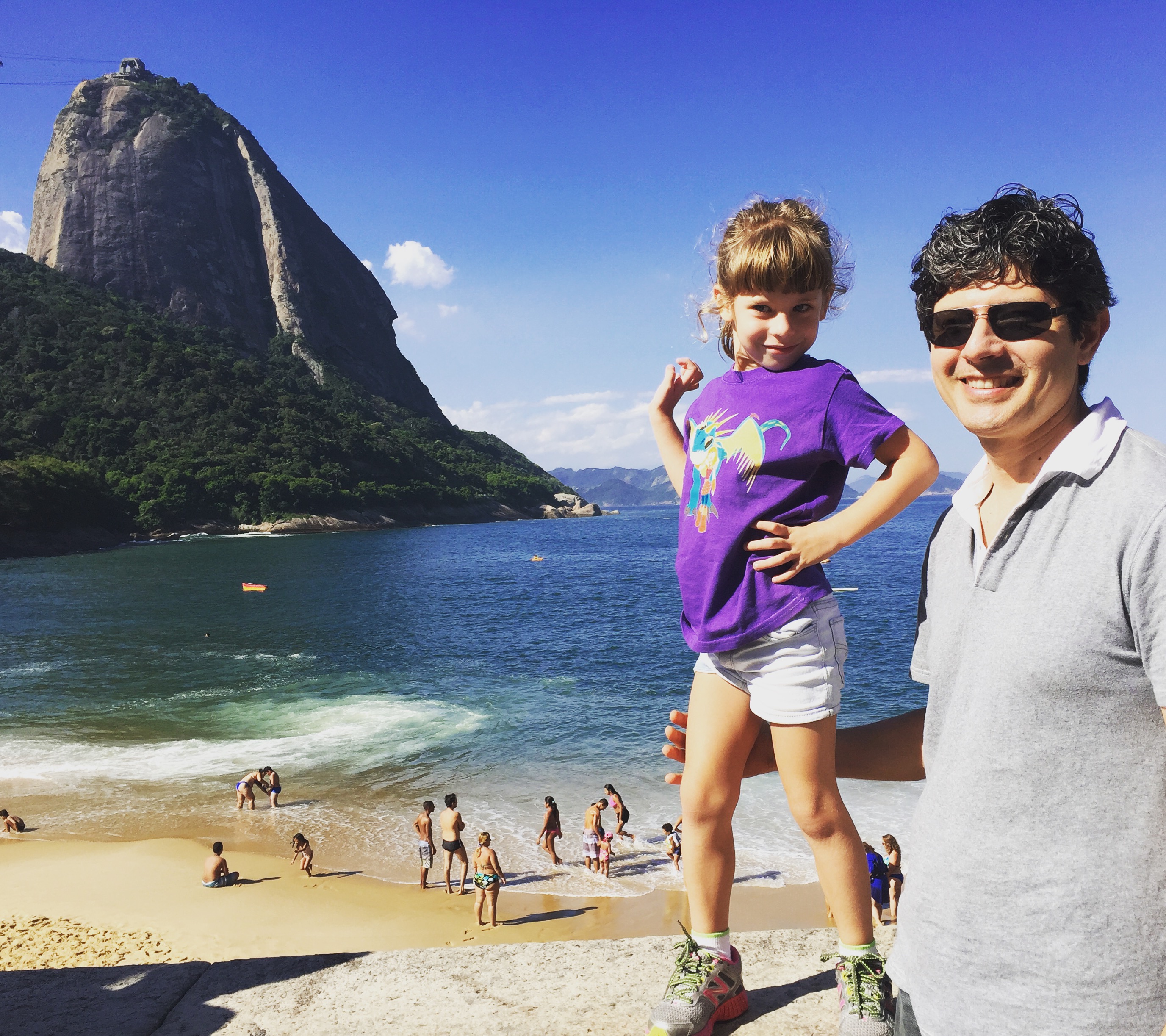
This one young tourist is feelin’ good after visiting Sugar Loaf and Praia Vermelha!So cute!!!
11. Sugar Loaf or Pão de Açucar in Portuguese but that ão sound is crazy hard to make, so I think visitors to Brazil can be forgiven for using Sugar Loaf. In my opinion if you have a choice between Christ the Redeemer on Corcovado or Sugar Loaf, pick Sugar Loaf. The most crowded day I’ve been on Sugar Loaf involved 50% fewer people than my most crowded trip up Corcovado. (And let’s assume any day sightseeing during the Olympics will be in contention for “most crowded”.) Both sites have amazing views of Rio, but Sugar Loaf and Morro da Urca (the smaller mountain next to Sugar Loaf) have more space to wander around the forest, including a trail that wraps around the bottom of Morro da Urca and offers a great chance of seeing micos (the little marmosets you might remember from the movie Rio), blue butterflies, and all kinds of birds and other local animals. Yay, micos! Then you stop and have lunch at Praia Vermelha (Red Beach). That is a great morning!
It’s those same tourists again. This time visiting Praça XV in front of the Paço Imperial.
12. Arco do Teles You can go back to colonial Rio by walking around this street off of the square Praça XV. I recommend going for lunch and grabbing a prato feito, a daily set menu that usually includes a choice of meat, rice, beans, french fries, and salad. Then go back across the square to Arlequim, a fabulous music & book inside the Paço Imperial, the former Imperial Palace. The store is a great place to pick up books and music from Brazil and grab a coffee and dessert.
13. Walk Along Copacabana Pretty self explanatory. The rules for beach going apply. Wear your shorts, tshirt and flip flops, bringing a little cash tucked away. Work out attire is fine too. The sidewalk will be full of people jogging and riding bikes. Grab a coconut to drink and stop and watch a game of footvolley. It’s volleyball played with your feet and it’s awesome.
14. Confeitaria Columbo Oh man, go to the downtown (Centro) location late in the afternoon after you’ve spent the day walking and feel you deserve a generous reward. Confeitaria Columbo is a gorgeous Belle epoque cafe and both the decor and dessert are amazing. They do offer meals and salty snacks, but you’ll regret that choice when you see the desserts being delivered to other tables. I recommend the rabanada, a Brazilian version of french toast, or anything else on the menu honestly.
15. Juice Crawl A staple of Rio is restaurants and kiosks specializing in fruit juice. The variety of fruit available to be freshly squeezed is astonishing and I can promise, no matter how hard you try, you will not be able to try juice from every fruit on the menu. My cousin made the most valiant effort I’ve ever seen, and even after consuming 2.5 liters of liquid during a walk from Leblon to Ipanema, she’d not tasted a quarter of the fruits on the menus.
16. Jardim Botanico A beautiful Botanical Garden that offers a welcome chance to slow down and enjoy the tropical flora and fauna of Rio, including Tucans and parrots. There are beautiful plants there too, but I’m more of animal person. I remember the snack area having some super friendly stray cats, which my husband was a lot less thrilled about.
Two American tourists enjoying their informative yet enjoyable audio guides! Their big sister definitely did not order them to smile for this picture.
17. Museu Histórico NacionalIf you like history or would just like to know something about Brazil other than it’s affinity for soccer and barbecue, visit the National History Museum. They have guided audio tours in a variety languages. You can hear Dom Pedro’s famous speech when he refused to to return to the Court of Portugal and declared himself emperor of an independent Brazil or learn about Princess Isabel who finally ended slavery in Brazil in 1894.
18. Churrasco If you eat beef, you need to do so while in Brazil. Find a churrasco. Just type “churrasco Rio de Janeiro” into Google. They’ll probably be one within two blocks of wherever you’re standing. Brazilian know how to cook meat and they cook every part of the cow. Go for lunch and then plan on laying down for the rest of the day.
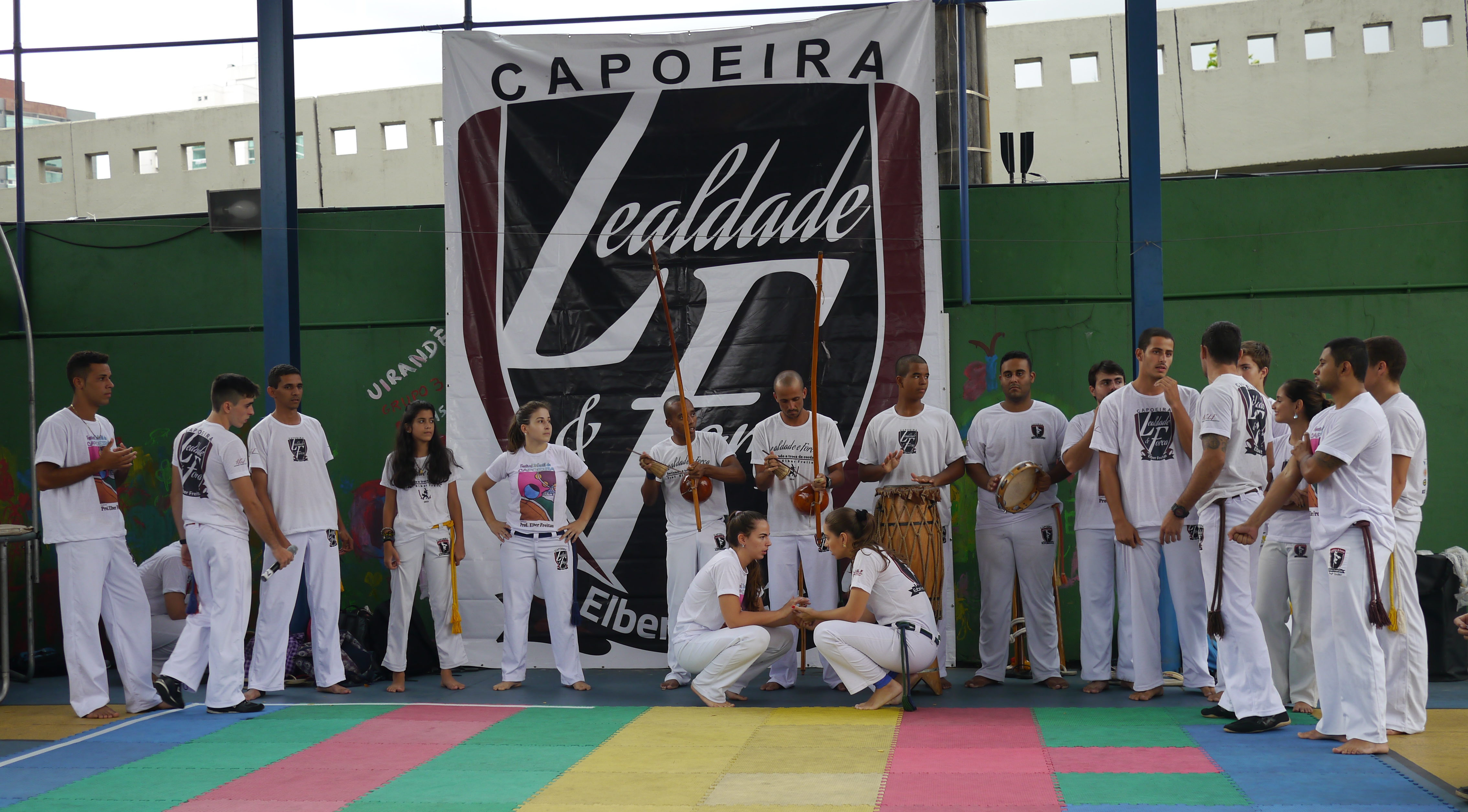
19. Watch Some Capoeira I’m sure there will be groups playing capoeira in the parks and beaches during the Olympics. With the exception of açaí, I don’t think there is a more uniquely Brazilian export. Capoeira is a Brazilian martial practiced to music and dance. I wrote a post explaining the history and practice of capoeira. For now, I’ll just say if you see a circle of people wearing white, singing and clapping, while two people dance around each other in the middle, stop and watch for a few minutes.
20. Beer, Snacks, and a Lovely View at Bar Urca This is a more personal recommendation. Back in our childless Rio days, my husband and I lived very close to the Urca neighborhood, which sits just on the inside of Guanarbara in the shadow of Sugar Loaf. The neighborhood is quiet with beautiful houses and a magnificent view of the bay and Rio. Bar Urca is just across the street from the water. Late afternoon you should go grab a beer or soda, a basket of pasteis, take them to the stone wall overlooking the water, and enjoy the view and company. You won’t regret it.
That’s it. I’m out of suggestions and advice. There are of course so many more things to do and ways to get into trouble than I’ve mentioned in my post. I don’t surf, so I can’t advise on best beaches for waves. I’m not a thrill seeker and have never had any desire to go hang gliding in Rio, and I’m not much of a live music in a bar person. The city of Bossa Nova is wasted on me. But Rio is known for all of these things. Rio has a lot to offer tourists than the beach and a stomach bug.
You can see from the pictures, we’ve had family of all ages visiting Rio and Brazil for years and our biggest emergency has been running out of toilet paper in the apartment. With a little planning and a few precautions, Rio de Janeiro can be an amazing experience. Just leave the passport in the room and bring the bug spray.
We were walking the streets of Rio de Janeiro yesterday when my daughter piped up “Hey, it’s Festa Junina!” I shook my head and tolld her Festa Junina was last month. She insisted and pointed to a street vendor whose stall was decorated with primary colored flags and a stereo blaring forro music. My kid was right. This vendor was still celebrating Festa Junina. My husband, a native of Rio, explained it this way. “Whatever the party, it always lasts a month longer in Rio.”
In that spirit, I thought a post about Festa Junina in July makes total sense.
Kiddo’s very first Festa Junina!
Festa Junina celebrations, which happen with varying degrees of enthusiasm throughout Brazil, can be traced back to the Pagan tradition of worshiping the summer solstice. The Catholic church then hijacked this festival by assigning June 24 to Saint John the Baptist, and Portugal brought traditional Saint John celebrations to Brazil during colonization.
This is me eating a sweet soup called Canjica. Basically, take corn, add condensed milk, cloves, and heat it up.
Over the centuries, many Festa Junina traditions and celebrations have become entirely secular and blended with other cultures and annual events that happen at this time in Brazil. For example, June is when the corn gets harvested, and about 97% of traditional Festa Junina food is corn based. Salty and sweet. Eaten off the cob and baked into cakes. In soups and as snacks. Seriously, I had no idea there were so many ways to prepare corn, and they’re all delicious.
While many places in Brazil celebrate Festa Junina on the night of June 23 with an official holiday on the 24th, in the Southeast where I’ve lived, Festa Junina parties happen any Friday or Saturday during the month of June. Or if you’re a university club in Rio, every Friday and Saturday in June.
There are fireworks, dancing, carnival games, straw hats and painted freckles (girls) or a painted moustache (boys), and usually at least one mock wedding. I haven’t read exactly how the mock weddings became a staple of Festa Junina parties, but I have a theory. Saint Anthony is considered the patron saint of marriage because he helps single women get husbands so many offerings and prayers are sent to Saint Anthony on his day, June 13. In addition to June being a time when marriage is on the brain, bringing the corn harvest to market was one of the few times people in rural areas got to meet someone they weren’t related to. Oh, and how convenient to have your wedding at the same time as the already scheduled festival! You can save tons on catering! Thus Festa Junina became a day of many weddings.
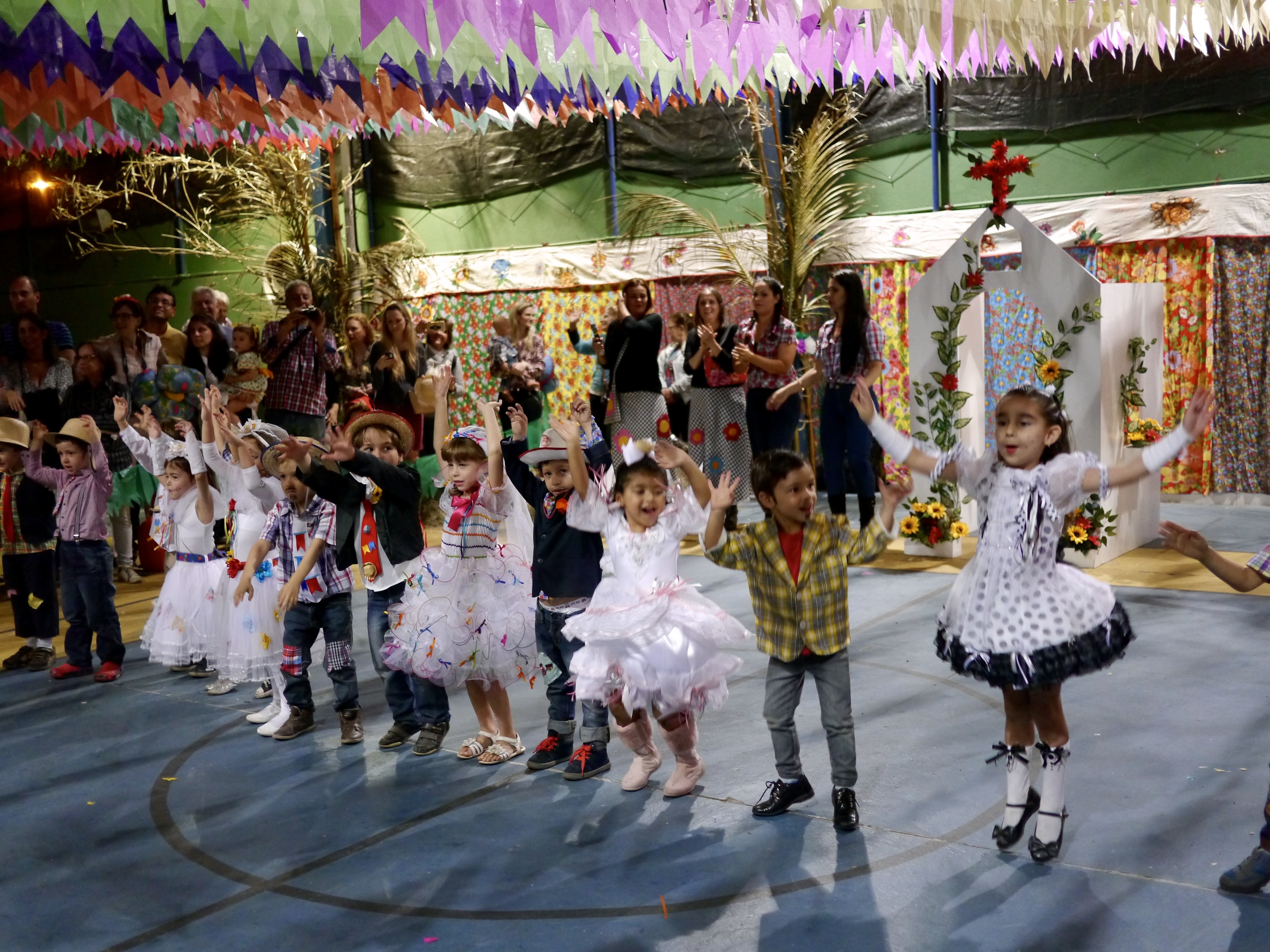
At my daughter’s school, it’s always Year 4 that stages a mass mock wedding, and this year it was finally her turn. That meant her Festa Junina costume was a wedding dress with a veil, and she LOVED it. It also meant extra time on stage because in addition to the mock wedding, all grade levels perform a quadrilha, a traditional dance done during Festa Junina but with preschoolers is really just a lot of jumping and arm waving.
In my personal opinion, the best part about Festa Junina is the food, but I feel that way about all carnivals and festivals. Any event that has portable grills and homemade sweets being set up on folding tables arranged around ring toss and fishing games is something I’d be delighted to attend.
Even the teachers dress up!When not performing mock weddings, Tio Rafa can be found coaching soccer.Is there a culture that doesn’t have fishing games at festivals?The grooms waiting for the brides to arrive
One bride is always brought in riding in a wheelbarrow. I have no idea why, but it’s super cute.
At the summer games this year in Rio de Janeiro, fans of 41 different sports will have a chance to watch competition between the best athletes in their sport. The world’s best judokas, golfers, divers, bmx cyclists, track cyclists, mountain cyclists (I had no idea there were so many different ways to cycle), trampoline jumpers, and fencers will be here in Brazil competing for gold. To be completely honest, I’m not sure what the modern pentathloners will be doing exactly, but I’m sure it’s something that I cannot.
Despite the wide variety of sports included in the Olympics, one of the most popular sports in Brazil will not be a part of the games, Capoeira.
Capoeira is a martial art that developed in Brazil in the 16th century. At least scholars believe that’s when it began. There are very few records of the earliest iterations of capoeira because it was developed by Africans transported to Brazil as slaves who used it as a means of both self-defense and cultural preservation. For most of Brazil’s history capoeira was outlawed and practiced in secret. It wasn’t until the 1940s that all official bans on capoeira were lifted, and the government acknowledged capoeira as part of Brazil’s cultural heritage.
I called capoeira a martial art, but I used the term for lack of anything better. Some people refer to it as a dance, and others call it a game. It’s a link to history and a legacy. Capoeira is all of these.
“Negroes fighting, Brazil” c. 1824. Painting by Augustus Earle depicting an illegal capoeira-like game in Rio de Janeiro
The majority of people brought as slaves to Brazil came from West Africa, hence the style of capoeira known as Angola. Slaves were not allowed to continue cultural practices from home and could not practice any activity that could be used in self-defense. Capoeira combined drum rhythms and instruments from a variety of West African cultures and set the powerful spinning kicks and acrobatics to music. Practitioners could claim capoeira wasn’t an attack. It was a dance. Even today, capoeira is always practiced to music and song.
Capoeira expanded in Brazil during the 17th century through communities of escaped slaves known as quilombos. The largest quilombo, Palmares, was home to over 10,000 people. The quilombos were havens of freedom for former slaves and many mounted fierce resistance against the Portuguese. There are few remaining records about life in the quilombos, but historians believe that capoeira was an important part of the communities’ defense.
Portuguese and later Brazilian officials were so frightened by capoeira they outlawed any and everything related to the game. People were arrested for playing capoeira instruments, wearing the colored belts and white pants, or just whistling a capoeira song. Finally, in the 1930’s Mestre Bimba from Salvador convinced the government that capoeira was both an important cultural legacy for Brazil and (because governments respond well to financial incentives) a tourist draw. In 1937, he was allowed to open the first public and officially sanctioned capoeira school in Brazil.
Mestre Bimba developed a new style of capoeira drawing moves from jiu-jitsu, boxing, and batuque, a martial art brought from Africa practiced in the state of Bahia. Mestre Bimba’s style of capoeira became known as Regional. The original style of capoeira, Angola, is characterized by a slower style of play, with lots of low kicks, while the players stay close together. Mestre Bimba’s style of Regional is played much more quickly with more aerial acrobatics. If the capoeiristas you’re watching are doing crazy fast spin and flip kicks that make your mouth fall open, that’s Regional.
While the styles vary in speed and types of movement, both keep the same format and traditions for practicing. Capoeira is always played inside a circle of musicians, singers, other players, and spectators. The music of capoeira is performed on five instruments: berimbau, pandeiro, atabaque, agogô, and reco-reco. The musicians and singer perform continuously as players tag in and out of the circle. One more important fact! Players never actually strike each other while playing. They feint and dodge and kick, but they never land a blow. That’s why the verb “play” is used for capoeira. They’re playing, not fighting.
Last year a petition went around Brazil lobbying for inclusion of capoeira in the Olympics. Many of the most famous mestres were and are against its inclusion. They argued that capoeira is not a sport. There are no winners and losers and to change that would be to change the nature of capoeira, which focuses on community, preserving heritage, fitness, and fun.
Whether a sport, a martial art or a dance, capoeira today is practiced by men and women, kids of all ages, from everywhere in the world. The petition for Olympic inclusion failed, which means no official capoeira exhibition at the 2016 Rio Games, but without doubt there will be opportunities for visitors to watch, whether on beach or in a park square. If you happen to be in Brazil for the Olympics or if you ever happen to hear the tang tang of a berimbau, do yourself a favor and go watch. You’ll get to see impressive athletics, hear great music, and learn a bit of Brazilian history all at the same time.
If you love the Olympics, learning about world cultures, or both, check out the amazing Multicultural Kids Blog!

 It’s finally happening! After more than a decade of writing, I can finally answer the dreaded “Oh, you write novels? Where can I buy your book?”
 I know you’re not supposed to read reviews. It’s the one piece of advice all authors give to debuts. Don’t read your reviews. But…who actually does that? Who possesses the stone-cold, borderline sociopathic indifference to others’ opinions required to avoid reviews? When you take your kid to a doctor, you don’t leave the check-up without hearing some feedback. This is my book baby. I love it, but maybe I’m delusional. Honestly, after line edits I have no perspective whatsoever where Jaguars is concerned. I need a second opinion. I want to know what readers think.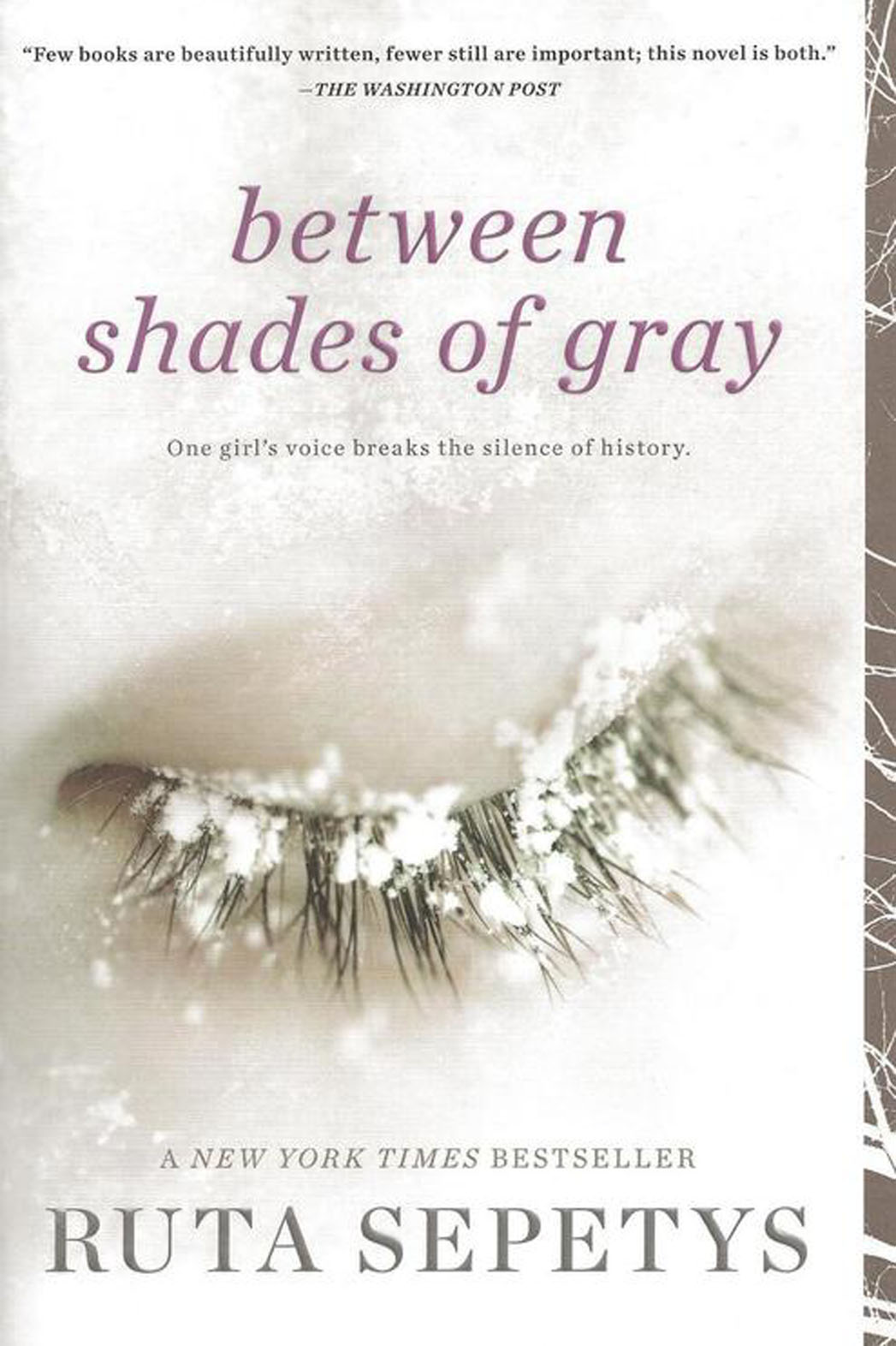

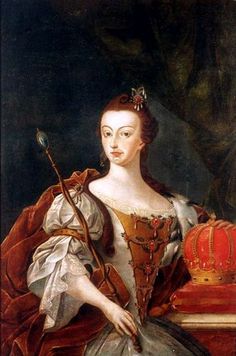
 The first woman to rule Portugal, Maria Francisca Isabel Josefa Antónia Gertrudes Rita Joana (why’d her parents stop there?) married her uncle in order to remain in line for the throne, saw her hometown destroyed by an earthquake-tsunami-fire mega disaster, calmed political unrest in Portugal by proving infinitely more competent, less corrupt, and not as prone to mass incarceration as her father and his advisors, outlived her husband and all but one of her children, and became the only European monarch to leave the content and rule her empire from a colony. Although, by the time the court fled to Brazil, she wasn’t technically in charge anymore as she’d been declared insane and unfit to rule fifteen years earlier.
 Maria was born in 1734 and became the heir presumptive when all her brothers were still born. Now Portugal had never had a Queen rule in her own right, and they had this totally just and reasonable law that said a princess could NOT marry a foreigner and remain in line for the throne. Because obviously a man would be strong enough to resist manipulation from his Spanish wife, but a woman would be a puppet to her mustache-twirling Spanish husband. (This is hilariously ironic if you know about Queen Maria’s son and daughter-in-law.) So how can a princess marry a prince but not marry foreigner?
 In 1755, when Maria was just shy of 21, Lisbon was left in smoldering ruins after being hit by so many disasters in day even Hollywood producers would call it over the top. A massive earthquake hit at 9:30 in the morning on All Saint’s Day, while the churches were packed for mass. Almost every church in the city collapsed. Thousands of survivors rushed to open squares around the port, only to be swept away by the tsunami triggered by the quake. Fires then broke out and raged for five days destroying whatever parts of the city were left.
 As Queen she took a much more hands on approach to governing compared to her father who had taken the “everyone listen to my advisor because I’m going hunting” approach. She rolled back a lot of her father’s more extreme measures such as mass incarceration of political opponents. She’s remembered as a good ruler in Portugal and Brazil. By all accounts Maria was kind and affectionate with her family.
 When the Portuguese court fled Napoleon to Brazil, Maria thought she was being kidnapped and had to be carried aboard the ship by the fleet commander. She spent much of the three month voyage screaming. It sounds horrible for everyone involved.
 One reason I love writing historical fiction is the chance to discover real people I’d swear were fabricated in someone’s imagination. King João VI of Portugal is one of these people. The man was born to be the comedic relief in someone else’s story. Sure, he was also born into royalty, but he seemed so much more suited for getting laughs than governing.
 But the truly shocking and grand achievement of Dom João was surviving. When monarchs all over Europe were getting deposed at best and beheaded at worst, Dom João, the peaceful dullard, kept his crown, and he did it by being the only European monarch in history to move the capitol of his kingdom to a different continent. This man, who hated change so much his servants had to repair holes in his pants while he slept, moved the capital of Portugal from Lisbon to Rio de Janeiro.
 It happened. I finally got the brutal agent response I will talk about twenty years from now at book signings. I’m a real writer now. Yay!
 My first thought was “Portugal, a Christian country in Europe full of white people, may feel too foreign for Americans?” I’m still trying to figure out what about US demographics gives the agent this impression. If Portugal is too foreign what countries will Americans read about? Great Britain, obviously. France, yes. Germany? What about Russia? They’re white, but their culture is pretty dissimilar to the US.
 The Census Bureas predicts that by 2020, the majority of kids in the United States will be members of a minority race or ethnic group.

 Alright, now that we’ve covered


 13. Walk Along Copacabana Pretty self explanatory. The rules for beach going apply. Wear your shorts, tshirt and flip flops, bringing a little cash tucked away. Work out attire is fine too. The sidewalk will be full of people jogging and riding bikes. Grab a coconut to drink and stop and watch a game of footvolley. It’s volleyball played with your feet and it’s awesome.
 15. Juice Crawl A staple of Rio is restaurants and kiosks specializing in fruit juice. The variety of fruit available to be freshly squeezed is astonishing and I can promise, no matter how hard you try, you will not be able to try juice from every fruit on the menu. My cousin made the most valiant effort I’ve ever seen, and even after consuming 2.5 liters of liquid during a walk from Leblon to Ipanema, she’d not tasted a quarter of the fruits on the menus.
 16.
16. 
 18. Churrasco If you eat beef, you need to do so while in Brazil. Find a churrasco. Just type “churrasco Rio de Janeiro” into Google. They’ll probably be one within two blocks of wherever you’re standing. Brazilian know how to cook meat and they cook every part of the cow. Go for lunch and then plan on laying down for the rest of the day.
 19. Watch Some Capoeira I’m sure there will be groups playing capoeira in the parks and beaches during the Olympics. With the exception of açaí, I don’t think there is a more uniquely Brazilian export. Capoeira is a Brazilian martial practiced to music and dance. I wrote a post explaining the
  20.
20. 
 We were walking the streets of Rio de Janeiro yesterday when my daughter piped up “Hey, it’s Festa Junina!” I shook my head and tolld her Festa Junina was last month. She insisted and pointed to a street vendor whose stall was decorated with primary colored flags and a stereo blaring forro music. My kid was right. This vendor was still celebrating Festa Junina. My husband, a native of Rio, explained it this way. “Whatever the party, it always lasts a month longer in Rio.”

 While many places in Brazil celebrate Festa Junina on the night of June 23 with an official holiday on the 24th, in the Southeast where I’ve lived, Festa Junina parties happen any Friday or Saturday during the month of June. Or if you’re a university club in Rio, every Friday and Saturday in June.
 There are fireworks, dancing, carnival games, straw hats and painted freckles (girls) or a painted moustache (boys), and usually at least one mock wedding. I haven’t read exactly how the mock weddings became a staple of Festa Junina parties, but I have a theory. Saint Anthony is considered the patron saint of marriage because he helps single women get husbands so many offerings and prayers are sent to Saint Anthony on his day, June 13. In addition to June being a time when marriage is on the brain, bringing the corn harvest to market was one of the few times people in rural areas got to meet someone they weren’t related to. Oh, and how convenient to have your wedding at the same time as the already scheduled festival! You can save tons on catering! Thus Festa Junina became a day of many weddings.
 At my daughter’s school, it’s always Year 4 that stages a mass mock wedding, and this year it was finally her turn. That meant her Festa Junina costume was a wedding dress with a veil, and she LOVED it. It also meant extra time on stage because in addition to the mock wedding, all grade levels perform a quadrilha, a traditional dance done during Festa Junina but with preschoolers is really just a lot of jumping and arm waving.
 In my personal opinion, the best part about Festa Junina is the food, but I feel that way about all carnivals and festivals. Any event that has portable grills and homemade sweets being set up on folding tables arranged around ring toss and fishing games is something I’d be delighted to attend.


 At the summer games this year in Rio de Janeiro, fans of 41 different sports will have a chance to watch competition between the best athletes in their sport. The world’s best judokas, golfers, divers, bmx cyclists, track cyclists, mountain cyclists (I had no idea there were so many different ways to cycle), trampoline jumpers, and fencers will be here in Brazil competing for gold. To be completely honest, I’m not sure what the modern pentathloners will be doing exactly, but I’m sure it’s something that I cannot.
 Portuguese and later Brazilian officials were so frightened by capoeira they outlawed any and everything related to the game. People were arrested for playing capoeira instruments, wearing the colored belts and white pants, or just whistling a capoeira song. Finally, in the 1930’s Mestre Bimba from Salvador convinced the government that capoeira was both an important cultural legacy for Brazil and (because governments respond well to financial incentives) a tourist draw. In 1937, he was allowed to open the first public and officially sanctioned capoeira school in Brazil.
 While the styles vary in speed and types of movement, both keep the same format and traditions for practicing. Capoeira is always played inside a circle of musicians, singers, other players, and spectators. The music of capoeira is performed on five instruments: berimbau, pandeiro, atabaque, agogô, and reco-reco. The musicians and singer perform continuously as players tag in and out of the circle. One more important fact! Players never actually strike each other while playing. They feint and dodge and kick, but they never land a blow. That’s why the verb “play” is used for capoeira. They’re playing, not fighting.
