Tag: Politics

  • Free Speech in Brazil

    If there is one group of people I would not want to piss off, it’s comedians.  They may make other people laugh but comedians themselves can be a savage and unforgiving group.  Think Tina Faye and Sarah Palin or Jon Stewart and anyone at Fox News.  A good comedian can leave someone’s ego in tatters and send him running for mommy.

    Maybe it’s that ability Brazilian politicians feared when back in July at the official start of the campaign season,  the electoral commission decided to start enforcing a law that prohibited ridiculing a candidate.  Specifically, radio and tv personalities cannot create audio or video content that degrades or ridicules a candidate, party or coalition.  The fine for a single infraction is R$200,000.

    As an American, I was shocked when I read this.  Because of course, as an American I know what true democracy is and am its de facto spokesperson when abroad.  I know the right to mock politicians is sacred.  It’s a cornerstone supporting the entire institution democracy.  Freedom to religion, property, guns, and to mercilessly ridicule politicians.

    In the midst of my righteous indignation on behalf of free speech, my husband pointed out, correctly, that free speech is a myth.  All countries regulate speech in some way.  The type of speech that gets regulated is determined by culture.  In the US, we allow the most grotesque distortions of facts to be presented as truth.  And in addition to Fox News, we also allow political satire.  We do, however, regulate speech related to sex.  You can call the President a nazi but you can’t say the word vagina.

    If there are precedents of regulating offensive speech, then it’s understandable the Brazilian legislature wants to protect the image of the candidates from harmful humor.  Right?  Turns out most Brazilians are not political candidates themselves, strongly value free speech, and really enjoy satire.  Hundreds joined comedians in a protest through Copacabana.  Legal experts throughout the country condemned the law.  One op-ed in O Globo said the law ignores the fact that truth is often presented through satire.  Also, it’s unconstitutional.

    A few people who share that opinion, 6 to be exact, are on the Supreme Court and last week voted to suspend the law.  Even the justices who dissented agreed the law was never meant to be applied to comedians, but felt its complete suspension was unnecessary.  It’s a victory for free speech and Brazilian comedians have something to smile about.
  • Great Expectations

    Great Expectations

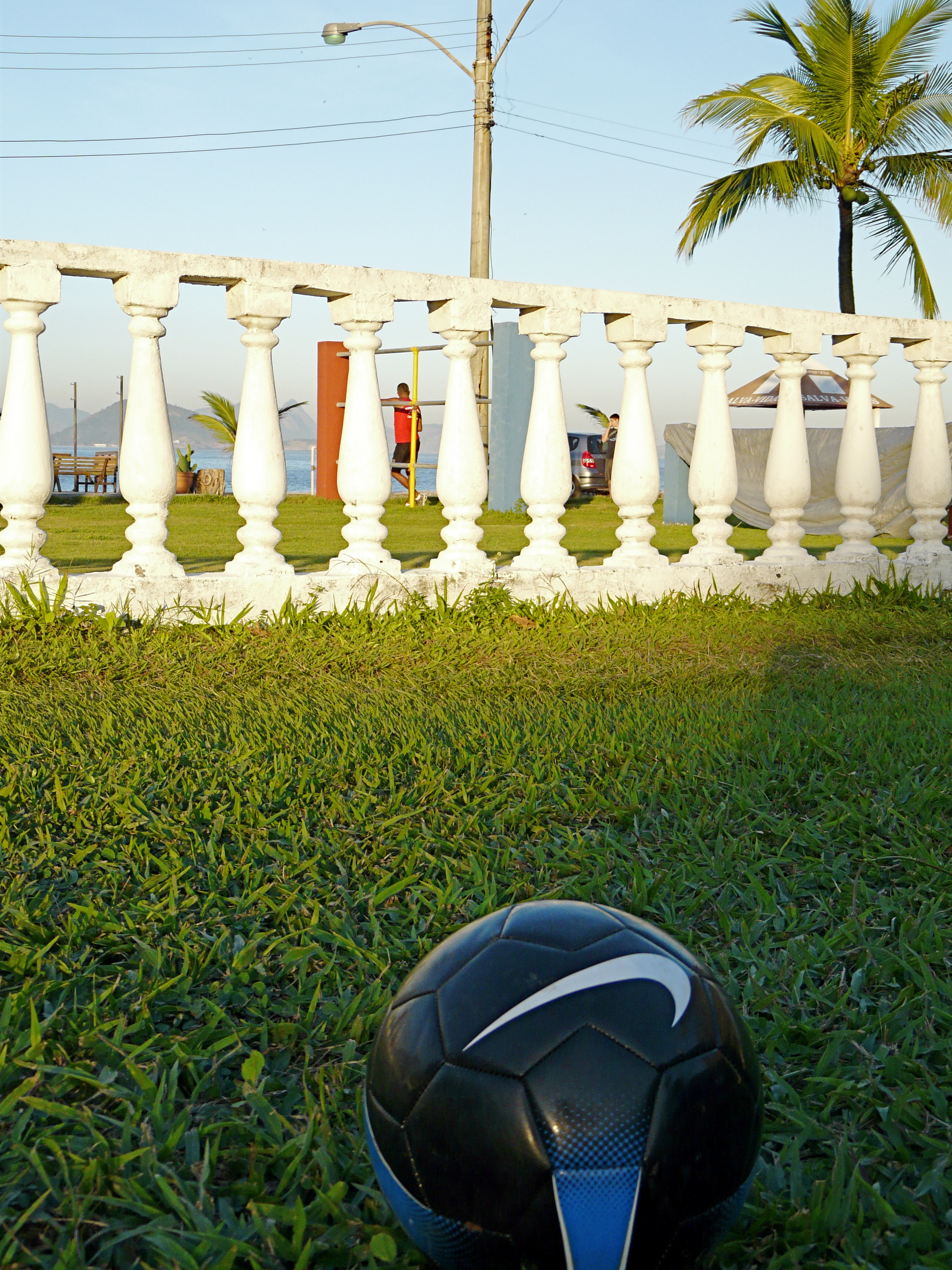
    The World Cup ended last Sunday when Spain finally, after 116 minutes of play, managed to score.  For me there was one important lesson to be learned from the Cup. If people expected the same level of performance from their governments as they do from their soccer teams, the world would be a better place.

    Last week, O Globo reported that 13 coaches had lost their jobs in the wake of unsatisfactory performances.  13 coaches out of 32 teams. Some resigned with their dignity intact but disappointed at having fallen short of their goal like Argentina’s Maradona.  Some, like Italy’s coach, resigned out of shame.  France’s coach resigned and then found himself the object of federal investigation led by the president and a mob of angry peasants with a guillotine.

    And some were fired.  No face saving letters of resignation.  Goodbye and good riddance. This was the fate of Dunga, the Brazilian coach who committed the unspeakable crime of focusing on defense and only getting Brazil to the top 8.  The general consensus in Brazil seems to be that Dunga single handedly killed the beautiful game Brazilians have always played and for what?  To make it only as far as the quarterfinals?

    I have been amazed at how swift and harsh the condemnation of Dunga has been here.  He did get Brazil to the final 8, right?  The top eight in the world is not a bad place to be.  Only 32 countries out of the entire world even make it to the Cup.  Just being there is a big deal isn’t it?

    Nope, not for Brazil, Cameroon, Greece, Argentina, Italy, Mexico, or South Africa.  None were satisfied with a top 32 finish and the coaches lost their jobs within days of their team’s elimination.

    Now, imagine all that energy, passion and sky-high expectations directed at government officials.  Moody’s downgrades your country’s credit rating?  The finance minister and chairman of the federal reserve immediately submit their resignation. Massive corruption is revealed in the police department?  All captains resign, every officer does community service and a national debate ensues over the “values” the police should embody. Unemployment over 20%?  The entire legislature has to issue a formal apology to the country, resigns and call for new elections.

    The human development index ranks the country 153 (cough, Cameroon, cough) out of 182 countries?  Then the president, prime minister, all cabinet officials, the head of every regulatory agency and the post master general all resign in disgrace.  The country is in an uproar and no one can talk about anything except these humiliating results. Every newspaper, radio, and television news programs is asking how this could happen and what can be done to prevent this kind of embarrassment in the future.

    Of course, this will never happen.  Soccer coaches answer to a higher authority.  Politicians would have to follow the example of Italy’s coach, accept full responsibility and resign of their own accord.  I can’t ever remember an elected official accepting full responsibility for failure.  And public outrage will never force them from office. Everyone is too busy watching soccer.