I’m posting another recommendation for MKB’s Read Around the World Series! Today it’s an amazing young adult fantasy set in India!

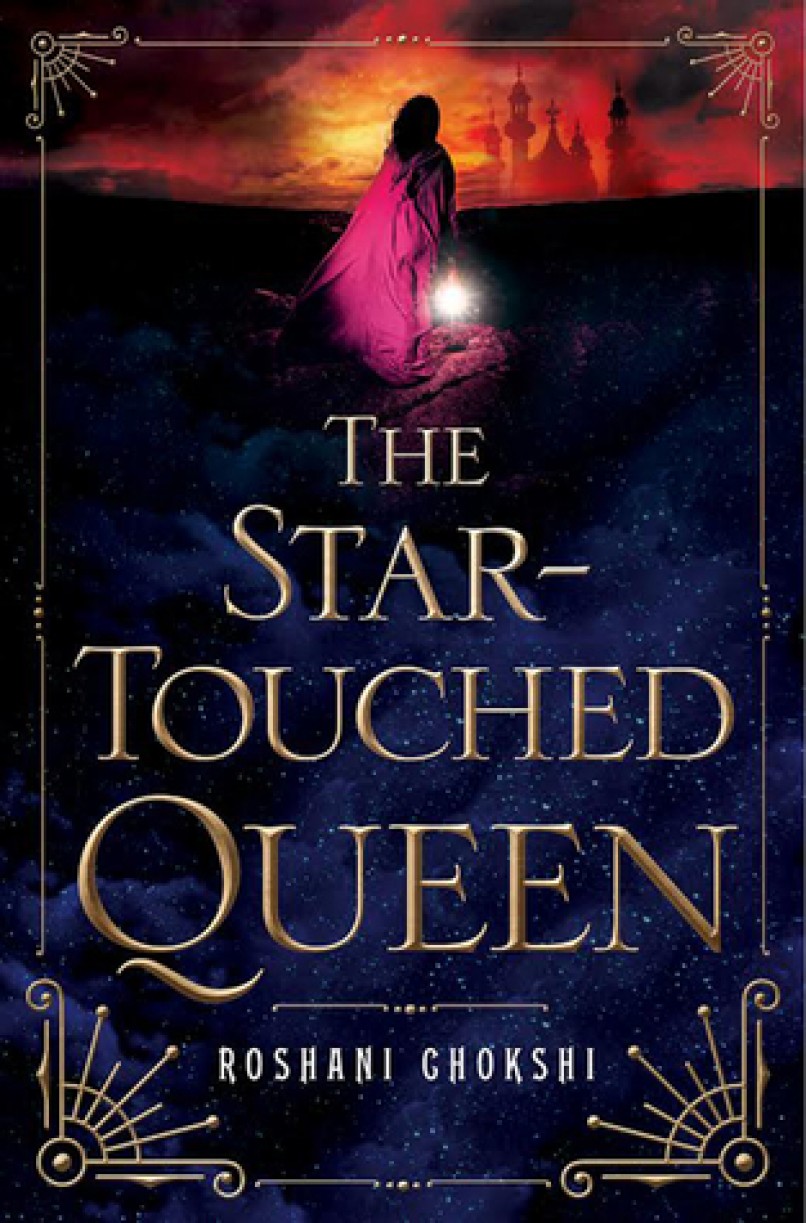
I’m posting another recommendation for MKB’s Read Around the World Series! Today it’s an amazing young adult fantasy set in India!
 At the summer games this year in Rio de Janeiro, fans of 41 different sports will have a chance to watch competition between the best athletes in their sport. The world’s best judokas, golfers, divers, bmx cyclists, track cyclists, mountain cyclists (I had no idea there were so many different ways to cycle), trampoline jumpers, and fencers will be here in Brazil competing for gold. To be completely honest, I’m not sure what the modern pentathloners will be doing exactly, but I’m sure it’s something that I cannot.
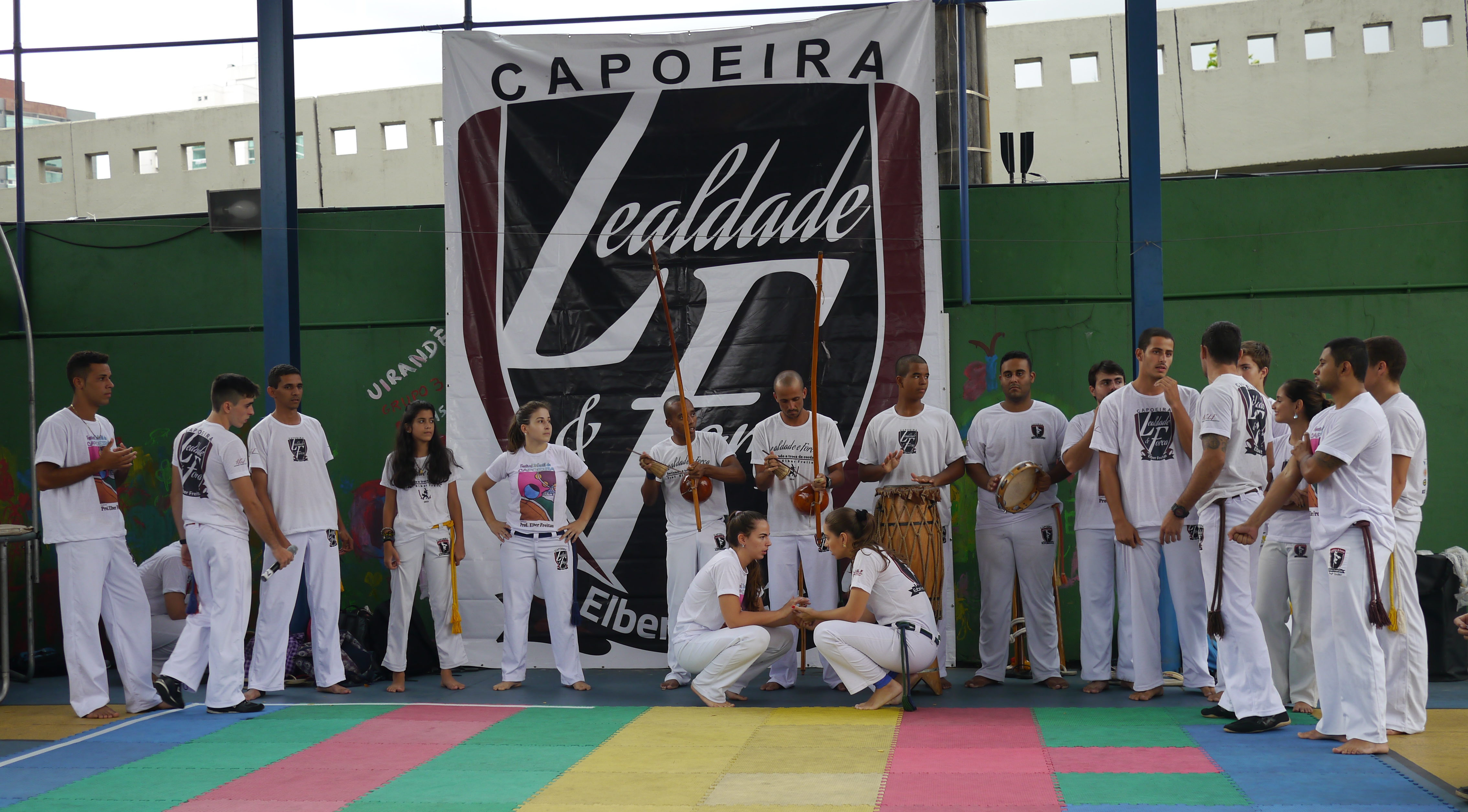
Despite the wide variety of sports included in the Olympics, one of the most popular sports in Brazil will not be a part of the games, Capoeira.
Capoeira is a martial art that developed in Brazil in the 16th century. At least scholars believe that’s when it began. There are very few records of the earliest iterations of capoeira because it was developed by Africans transported to Brazil as slaves who used it as a means of both self-defense and cultural preservation. For most of Brazil’s history capoeira was outlawed and practiced in secret. It wasn’t until the 1940s that all official bans on capoeira were lifted, and the government acknowledged capoeira as part of Brazil’s cultural heritage.
I called capoeira a martial art, but I used the term for lack of anything better. Some people refer to it as a dance, and others call it a game. It’s a link to history and a legacy. Capoeira is all of these.

The majority of people brought as slaves to Brazil came from West Africa, hence the style of capoeira known as Angola. Slaves were not allowed to continue cultural practices from home and could not practice any activity that could be used in self-defense. Capoeira combined drum rhythms and instruments from a variety of West African cultures and set the powerful spinning kicks and acrobatics to music. Practitioners could claim capoeira wasn’t an attack. It was a dance. Even today, capoeira is always practiced to music and song.
Capoeira expanded in Brazil during the 17th century through communities of escaped slaves known as quilombos. The largest quilombo, Palmares, was home to over 10,000 people. The quilombos were havens of freedom for former slaves and many mounted fierce resistance against the Portuguese. There are few remaining records about life in the quilombos, but historians believe that capoeira was an important part of the communities’ defense.
 Portuguese and later Brazilian officials were so frightened by capoeira they outlawed any and everything related to the game. People were arrested for playing capoeira instruments, wearing the colored belts and white pants, or just whistling a capoeira song. Finally, in the 1930’s Mestre Bimba from Salvador convinced the government that capoeira was both an important cultural legacy for Brazil and (because governments respond well to financial incentives) a tourist draw. In 1937, he was allowed to open the first public and officially sanctioned capoeira school in Brazil.
Mestre Bimba developed a new style of capoeira drawing moves from jiu-jitsu, boxing, and batuque, a martial art brought from Africa practiced in the state of Bahia. Mestre Bimba’s style of capoeira became known as Regional. The original style of capoeira, Angola, is characterized by a slower style of play, with lots of low kicks, while the players stay close together. Mestre Bimba’s style of Regional is played much more quickly with more aerial acrobatics. If the capoeiristas you’re watching are doing crazy fast spin and flip kicks that make your mouth fall open, that’s Regional.
 While the styles vary in speed and types of movement, both keep the same format and traditions for practicing. Capoeira is always played inside a circle of musicians, singers, other players, and spectators. The music of capoeira is performed on five instruments: berimbau, pandeiro, atabaque, agogô, and reco-reco. The musicians and singer perform continuously as players tag in and out of the circle. One more important fact! Players never actually strike each other while playing. They feint and dodge and kick, but they never land a blow. That’s why the verb “play” is used for capoeira. They’re playing, not fighting.
Last year a petition went around Brazil lobbying for inclusion of capoeira in the Olympics. Many of the most famous mestres were and are against its inclusion. They argued that capoeira is not a sport. There are no winners and losers and to change that would be to change the nature of capoeira, which focuses on community, preserving heritage, fitness, and fun.
Whether a sport, a martial art or a dance, capoeira today is practiced by men and women, kids of all ages, from everywhere in the world. The petition for Olympic inclusion failed, which means no official capoeira exhibition at the 2016 Rio Games, but without doubt there will be opportunities for visitors to watch, whether on beach or in a park square. If you happen to be in Brazil for the Olympics or if you ever happen to hear the tang tang of a berimbau, do yourself a favor and go watch. You’ll get to see impressive athletics, hear great music, and learn a bit of Brazilian history all at the same time.
If you love the Olympics, learning about world cultures, or both, check out the amazing Multicultural Kids Blog!

Welcome to our Olympics for Kids series! The Olympics are a wonderful opportunity to teach kids about the world and explore cultures together.
Today, you can find more about other sports/games from various countries thanks to our participating bloggers:
Exploring Indonesian Badminton – Multicultural Kid Blogs
Popular Summer Sports in USSR – Creative World of Varya
Handball, France and the Olympics – Lou Messugo
Capoeira: a martial art with a great beat – Brynn in Brazil
The big 3: soccer, rugby, cricket – Globe Trottin’ Kids
Copa América: We Are the Champions – La clase de Sra. DuFault
Football in the Netherlands: The Men in Orange – Expat Life with a Double Buggy
Summer sports in Latvia – Let the Journey Begin
Valuable Lessons From The Olympic Sports to Kids – Hispanic Mama
Fencing with Ibtihaj Muhammad – Kid World Citizen
Puerto Rican Olympians – Discovering the World Through my Son’s Eyes
Don’t forget that you can also download our Summer Games Unit activity pack to learn more about the world and have fun during the Olympics.

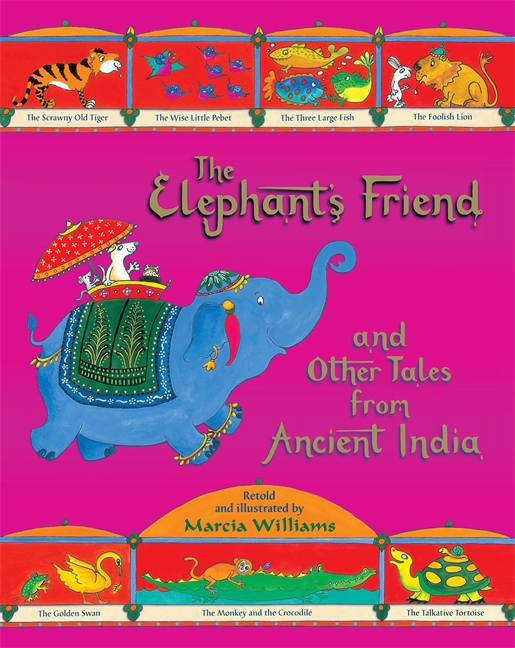
This is one of my daughter’s (and my) favorite books! The stories in told in a gorgeous panel (comic book) format, and the author/illustrator has given the animals hilarious asides. It’s delightful!

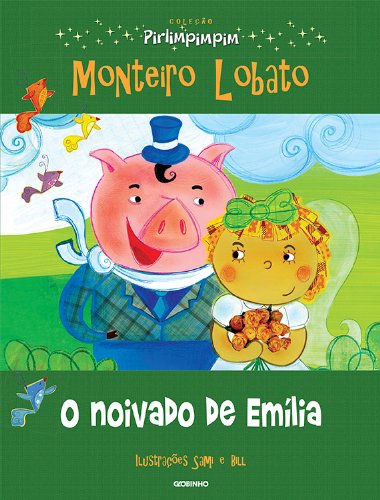
Today’s recommendation for MKB’s Read Around the World Series is an illustrated excerpt from one of Brazil’s most famous children’s author, Monteiro Lobato.

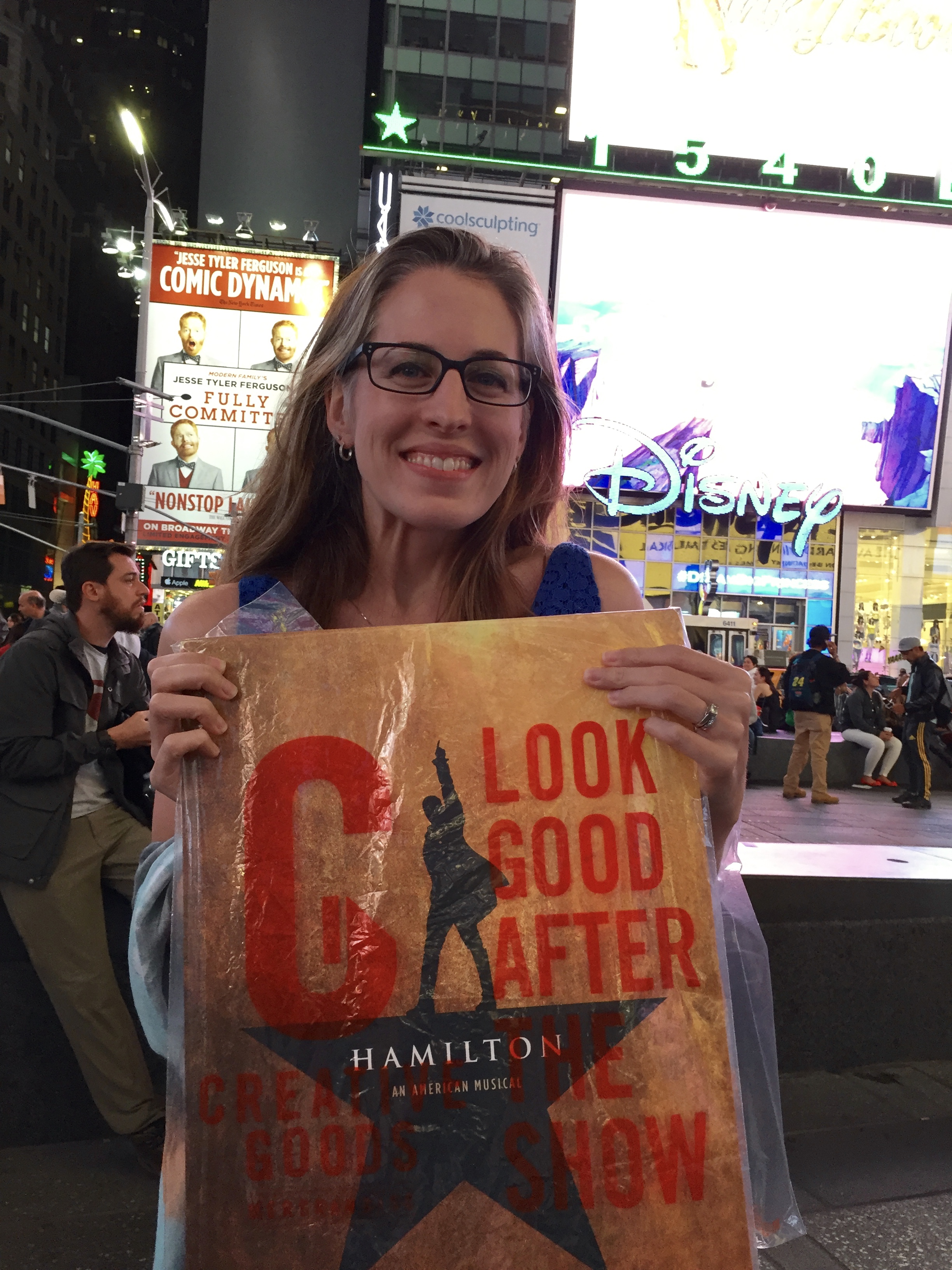
 I recently confessed to planning an entire trip to New York City around a preschooler. Housing, excursions, food…It was all for her. With the exception of Tuesday night. Because while our daily itinerary was planned around her, she was not the reason for the trip. Hamilton was the reason for trip. Ok, fine. My obsession with Hamilton was the reason for the trip.
You can explain Hamilton in one sentence. Hamilton is a new musical on Broadway about one of the Founding Fathers of the United States. You can explain Hamilton in a thousand sentences. And even a thousand sentences, based on the endless articles, tv interviews, books, upcoming documentary, and record breaking ticket sales, isn’t enough to fully convey the extraordinary phenomenon that is Hamilton. It is the hottest ticket in New York City and my personal inspiration for over a year.
I first heard about Hamilton from my parents in Atlanta. During our weekly Facetime, they mentioned watching a segment on CBS Sunday Morning about a new musical off-Broadway that I’d probably like given my love of theater and American history. It was about a founding father and used rap and hip hop music. They couldn’t remember the creator’s name during the conversation, but they knew he’d written both the score and the lyrics. I knew immediately who they had to be talking about. Lin-Manuel Miranda. I had the soundtrack to his first musical In the Heights. I’d watched his improvised Tony acceptance rap on YouTube a few times. I’d loved his guest spot on House.
I went on YouTube and found the Sunday Morning segment.
This segment was posted on YouTube on March 8, 2015, so my obsession with Hamilton has lasted fifteen months and is still going strong.
After watching the CBS report, I began hunting the internet for articles, clips, interviews, anything related to Hamilton. I’d manage to go a few weeks without typing “Hamilton Musical” into the search box. Just long enough for there to be new hits when I inevitably sent Google scouring again.
 I’ve never been one to fangirl. I have loved movies and cheered in the stands for a favorite team. But I’ve never painted my entire face and worn a giant foam hat chanting in unison in below freezing temperatures. I’ve never spent six months salary on replica Storm Troopers costume and blaster. I’ve never loved anything enough to wait in line for more than one hour.
Until Hamilton.
In late September my husband asked what I wanted for our anniversary. “There’s only one thing I want. To see Hamilton on Broadway.” I said this with zero expectation it would happen. I answered honestly to let him off the hook from having to shop for a present I’d certainly appreciate but wouldn’t have desperately wanted. I’d accepted my contact with Hamilton would be through the cast album and YouTube videos. Planning a trip from Brazil to New York City with a four-year old just to see a musical was totally ridiculous.
 A week later my husband said “Let’s do it. Let’s go to New York.”
I immediately called my parents. If there was a chance for this to work we’d need babysitters. I love my kid, but if she threw a tantrum in the middle of Act I, it would be a life threatening situation for her. Fortunately, my parents are always up for a trip north of the Mason-Dixon line.
I bought our Hamilton tickets on October 20, 2015 for May 24, 2016. I’d have to wait seven months, but I was able to buy the tickets directly from the box office at face value. At the time, I had no idea what a huge deal that would turn out to be. I must have been the last average person to get seats at face value. By the time I posted pictures of the event on Facebook, the most common response was some version of “How the hell did you get tickets?!”
With everything booked and paid for, the only thing left to do was cross my fingers and hope that on Tuesday, May 24, 2016, Lin-Manuel Miranda would be in excellent health and onstage. For as amazing as the musical seemed, seeing Miranda perform was equally important to me. He’d become an unwitting mentor to my fledgling writing career.
 At the same time as Hamilton was debuting off-Broadway in early 2015, I quit my job as a teacher to devote myself to writing and publishing my first novel. I was anxious. I was antsy. I’d given myself two years to get an agent. I announced this to family and friends not realizing that two years is a laughably short time in the publishing world. Congressional cycles come faster than novel debuts. But I was ignorant of the alternate reality publishing exists in and worried that at 32 years old I was running out of time to build a career.
When I was at my highest levels of anxiety, I’d rewatch a segment on Hamilton done by MSNBC. (Seriously, I’ve watched hours of Hamilton content on YouTube.) Miranda is asked what advice he’d give his younger self, and he says “Life is long not short…To really get it right, you think ‘Oh my gosh, look at this amazing first draft’ then you realize what ten whacks at it can do to it.” In the same interview, Miranda reveals he spent one year writing “My Shot”. One year for one song.
This was a crucial lesson I hadn’t yet learned about creative genius. It doesn’t happen in the first draft. Oh, the foundation might be there. The roots of something amazing may have taken hold but what is considered great is never someone’s first draft. Great work requires patience. That was a revelation.
Suddenly all the advice about getting beta readers and critique partners and the moaning of authors on twitter about fourth and fifth drafts weren’t the words of struggling writers but the necessary practices of good writers. No book sitting on a shelf at a book store is a first draft.
Confession. I made it through high school with top grades and never wrote a second draft. I thought second drafts were for losers. Turns out I didn’t know everything at eighteen.
Because here’s Miranda, a Tony Award winner who can improvise a mind blowing acceptance speech in verse, saying it took him a year to write one song. Another article mentioned how he was tweaking lyrics right up until the recording of the cast album. The New York times talked about how he struggled to write the ending going through multiple versions. The book Hamilton: The Revolution is about the years of collaboration and work that went into Hamilton.
 Those years paid off. Hamilton was the most amazing theater experience of my life. I was in tears before the opening number was over. It was epic because every detail was right. I remember the way the lights changed at a stomp of King George’s foot to fabulous comedic effect. I remember Jefferson’s truly spectacular purple ensemble for his grand entrance in Act II. The intensity with which Leslie Odom Jr. delivered every line. Miranda’s complete breakdown after Hamilton’s forgiven by his wife. The banjo in “Room Where it Happens”. God, I love that banjo. The ensemble member who traces the trajectory of that fatal bullet in slow motion. It was all perfect.
 And that level of perfection takes patience. You can’t nail every detail at the same time. You have to tweak them one by one over the course of weeks, months, and years with constant feedback and help. I’m trying to keep that in mind when I grit my teeth at the prospect of reworking my first chapter for the tenth time. When I get feedback from an editor saying this is great just rework these parts, and I’m so very tempted to interpret this is “this is great” as “this is good enough” and be done with it. Patience is a challenge for me. Accepting that “life is long” and I do have years to get it right is very difficult for me.
Thankfully, I have Miranda and Hamilton for inspiration to remind me that good enough is not great. I can just listen to his words. Or read his book. Wear the t-shirt. Look at the poster. Drink from the mug. Or the water bottle…
 There’s so much bad news coming out of Brazil lately. The economy is still in tatters. The president is impeached. The interim president is according to most sources a mysogynist, corrupt pig. (And those are the nice names people are using for him.) Any waterbased Olympic events will require the athletes to wear hazmat suits. Zika.
I feel bad for Brazil. She’s like a good friend that’s going through a majorly shitty time in her life. When you have a friend struggling, you try to tell her it’s not all her fault. (#blameportugal) You try to look at her situation analytically. (In Brazil’s case that might make your head explode.) And finally you find the silver lining. Which in Brazil’s case is…Hold on…Give me a minute…
The weather! Brazil, you have amazing weather. And vacation spots. And fruit. Oh, something man-made? Uh…
Snack food. Brazilians have nailed snack food in a way superior to any country I’ve ever lived in. Brazil has upped the snacking game to a point it’s an independent category of food. Look in a Brazilian cookbook and it’s possible to find, main courses, sides, desserts, and salgados.
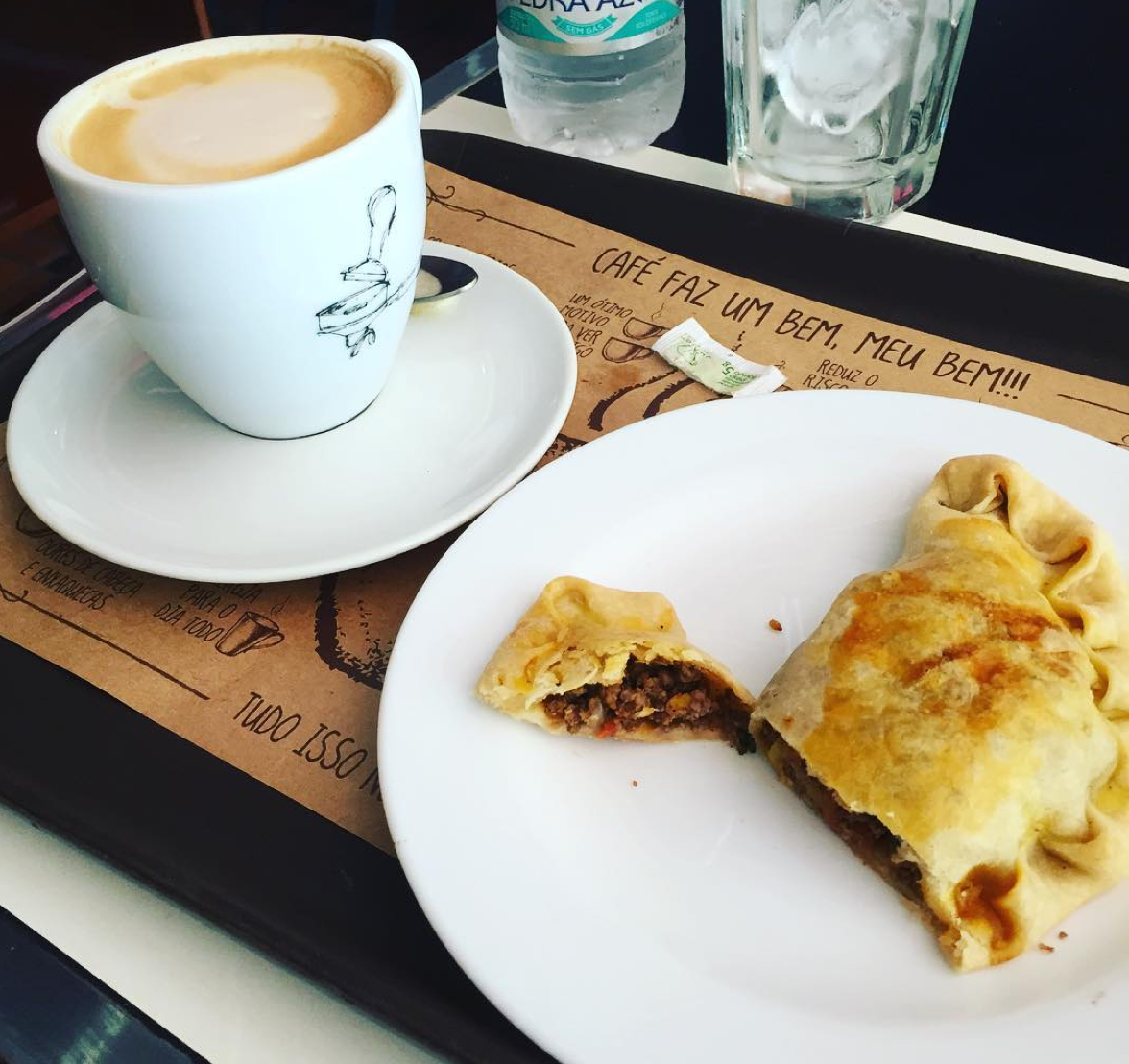
I’ve been asked by students how to translate salgados into English. You can’t. The best I’ve come up with is “a variety of salty, heavy snack foods that can be either fried or baked and are usually eaten individually as between meal snacks or in miniature forms at parties.” If anyone can suggest a single word in English to convey, please let me know, but I don’t think there is one. And hors d’oeuvre doesn’t cut it. A full-sized salgado is easily a meal in itself. A coffee and coxinha will set you up for hours.
Here’s a rundown on the typical salgados you’ll find in Brazil. I have a broad definition of salgado (see above), and I’m sure a few Brazilian purists will take issue with some of the food I’ve included on my list. Also, I’m sure I’ve forgotten some traditional favorites as well. My apologies.

Pão de Queijo: I’m putting this first because it is one of my absolute favorite things about Brazil. Yup, of all things that come from Brazil, my husband, my daughter, and pão de queijo are my favorites. This is a ball of cheesy, doughy deliciousness that can be served at breakfast, with afternoon coffee, or on party platters. Pão de quiejo can range in size from golf-ball to grown man’s fist, but when it comes to pão de queijo, bigger is always better. Trust me.

Pastel: A light pastry dough that is stuffed with deliciousness, folded over, and fried. Like pão de qeuijo, pastéis (plural form) can come the size of your palm of the size of your face. Shaped like a half circle or rectangle, the traditional fillings include ground beef, palm heart, mozzarella, shrimp, a kind of cream cheese, and chicken. They are delicious at ten in the morning with sugar cane juice or at seven at night with a caipirinha. I suspect they’re delicious at every hour of the day.
Empanada: Ok, this is one of the debatable entries because many people/sites equate empanada (a Spanish dish) and pastel (the Brazilian version). I’ll grant the overall concept is the same. Dough folded around a filling usually shaped in a half circle. But based on my personal experience with snack food in Brazil (which is fairly extensive I’m proud to say), the empanada and pastel are different things here primarily because of the dough. The empanada dough is thicker and not as flaky as the pastel. Also, empanadas seem to be baked whereas pastéis seem to be fried. Am I totally wrong about this? Are they the same? Am I the only one who cares? Also, don’t confuse an empanada with an…
Empada: Again dough, filling, baked, but the empada is more like a pie or casserole. The dough is much thicker and tends to become sticky when wet thus gluing your tongue to the roof of your mouth. It’s one of my least favorite salgados for this reason.

Kibe: An import from the Middle East and North Africa and a staple of party platters everywhere in Brazil. It mixes flour and ground beef into a football (oh, American football) shaped snacking delight. Sometimes there’s a cream cheese filling, but that’s only done if you hate your guests.

Coxinha: As far as I know, this is the only salgado with an origin story. A son of Princess Isabel (the last royal in charge of Brazil) would only eat chicken legs (even royal kids are brats about food). One day the kitchen was out chicken legs so the chef shredded chicken meat and put it inside a flour dough crust shaped like a drumstick. The little prince approved and now coxinhas are served in miniature at every children’s party. You can get them at pretty much any cafe or bakery. Coxinha is the heaviest item on the list, especially if there’s cream cheese in the center of the chicken filling. It’s like snacking on a small cannonball. A very delicious cannonball.

Juices, Açaí bowls, quiches, etc: I know juice and açaí don’t count as salgados. They are however staples of the Brazilian snacking experience. When my cousin visited Rio, we did a juice crawl through Ipanema. She tried fruits that the staff cringed from. In the heat of Brazil, nothing beats a bowl of cold açaí covered in bananas and strawberries. And of course cafes always have a variety of quiches and cakes to choose from.
Brazil is a great country for snacking. They have great coffee for the daytime, great caipirinhas for the nighttime and plenty of savory goodies for anytime. I just recommend a gym membership if you’re going to be staying any length time of here.
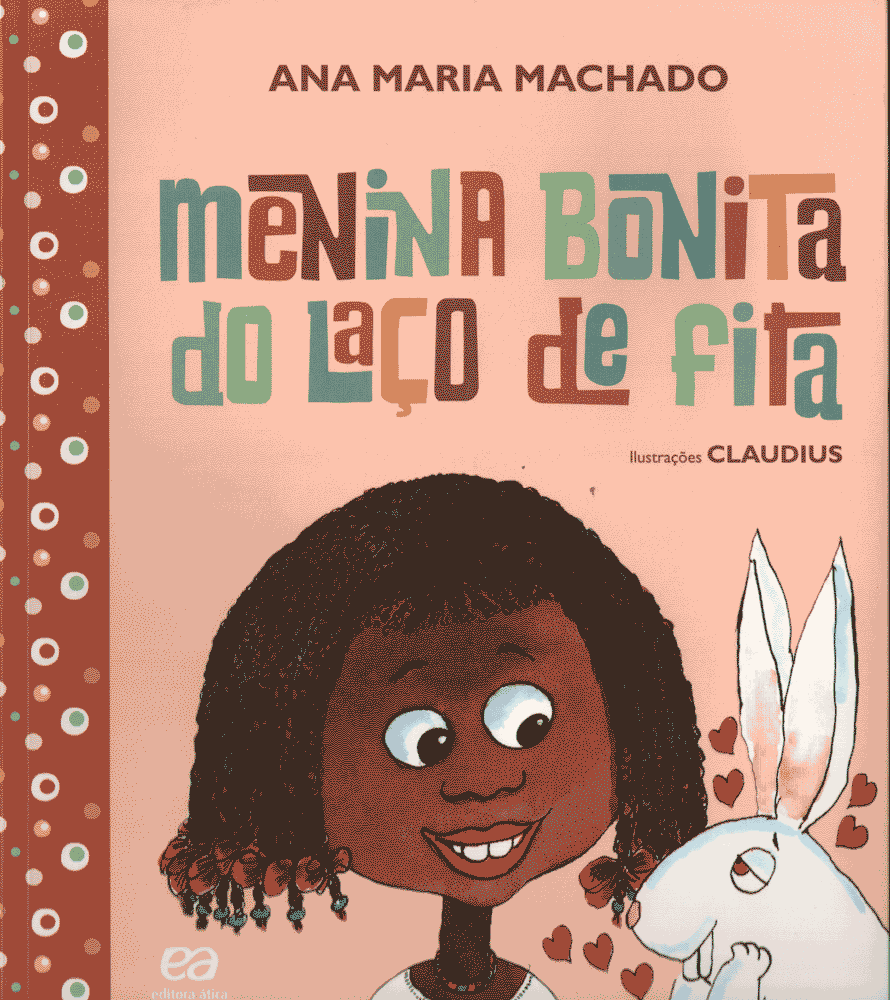
I’m proud to be a part of the Multicultural Kid Blogs community! It’s an amazing resource for parents and educators with multicultural kids or wanting to raise globally minded citizens. Every (northern hemisphere) summer, MKB hosts the Read Around the World Series to promote diverse books for kids. Bloggers around the world recommend books for all age ranges, picture book to young adult, and all regions of the world.
Today I’m up, and I’m excited to recommend a modern classic of Brazilian children’s literature!

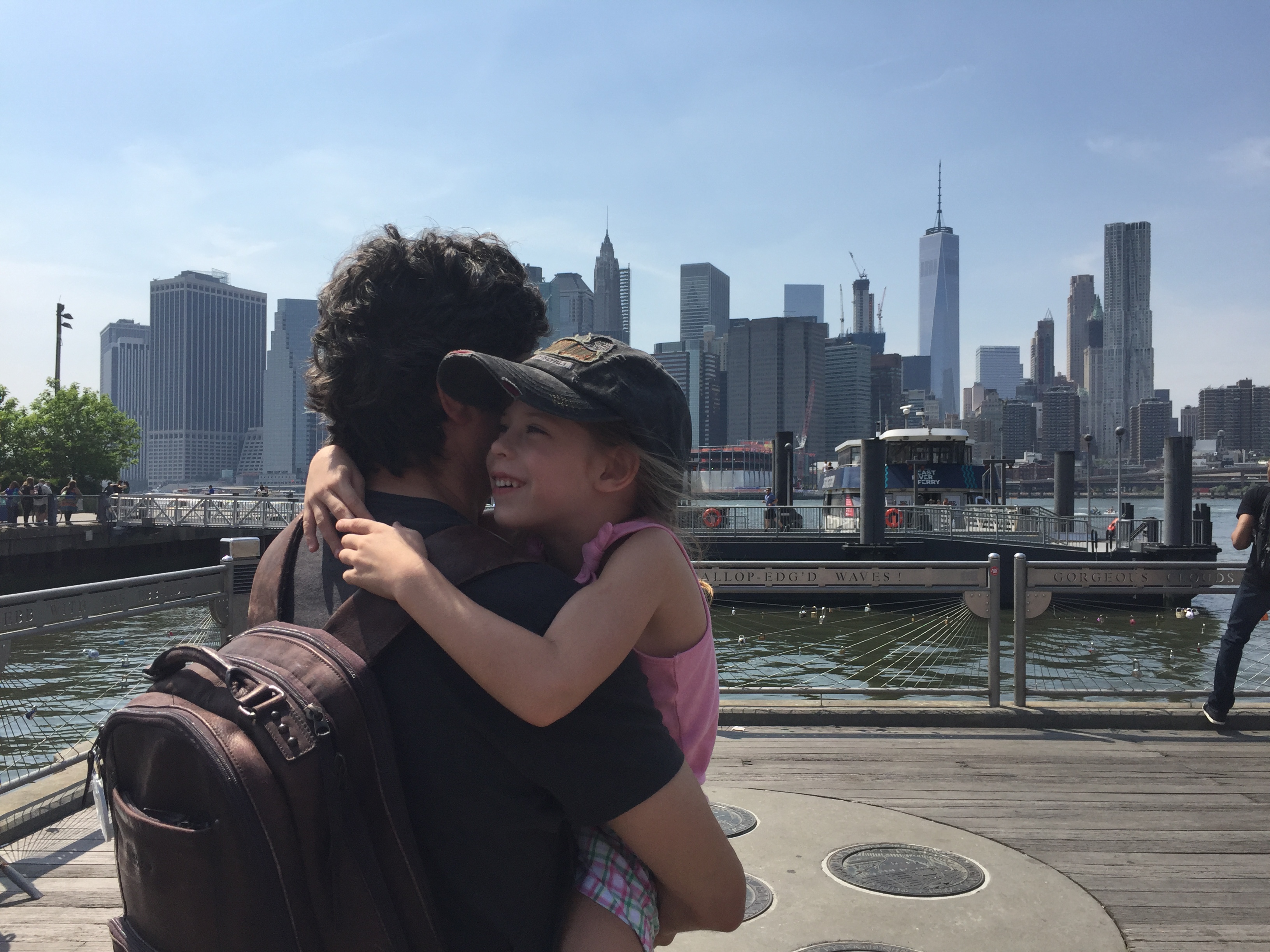
 We just got home after a week-long family vacation in New York City! I’ve been to New York City three times before, but this was my first visit as part of a preschooler’s posse. Our little Diva, with all of her four and a half years, was the central figure around which all activities were planned. If she wouldn’t like it or eat it or wait for it, then we didn’t do it. By we I mean, Mommy, Daddy, Gramma, and Grandpa aka The Posse.
My husband and I have declared New York our most successful vacation since Diva came home from the hospital.
I understand there are some people who might balk at spending a week in New York in the service of an illiterate, cookie-craving overload, but the fact we were willing to put the Diva’s needs first and foremost is why our trip was a resounding success for everyone involved.
You have to understand I’m not calling my child Diva for lack of a more creative nickname. If we define diva behavior as being irrationally demanding and prone to outbursts over minor inconveniences while assuming she is the center of everyone’s universe, then most preschoolers are divas. In addition, my daughter has some residual effects from an extended stay in the NICU which has left her “fight or flight response” on a very light trigger. Not her fault but still, her easy trigger leaves everyone in her posse scrambling to avoid both the fit and blunt objects likely to be thrown when an unexpected change in plans occurs. So the title Diva fits. And nobody wants a diva to start throwing or smearing snot on things in an art museum.
Our first consideration for the Diva was housing. To accommodate our Diva’s need for a quiet, calm retreat after a super stimulating day, we got out of Manhattan and rented a house in Queens. Corona is a delightful neighborhood bustling with families and charming restaurants filled with locals who seem to burst into song on a fairly regular basis. Between the Italian serenade we got over breakfast one morning and the Latin dance music pouring out from the restaurant across the street, Corona felt like living in a musical.
 The hour subway ride into Manhattan or the car service were a small price to pay for the luxury of having a house with a den and backyard patio. The Diva is highly prone to outbursts when tired, so we wrapped up our sightseeing around 5pm everyday and spent the nights hanging out at the house. It was a stress-free way to end each day and allowed us to assume the role of local New Yorker for the week.
What did my Diva want out of a week in the Greatest City in the World? Playgrounds.
 Our week in New York was a tour of playgrounds and any museums that happened to be close by, starting with the Science Playground at the New York Hall of Science. This hands-on museum geared toward young kids was just down the street from our house in Queens. Even many of the indoor exhibits were basically highly educational playgrounds, particularly the exhibit on physics in sports. My daughter particularly loved the rope jungle gym and giant see-saw bridge.
Our second day was all about the dinosaurs at the Museum of Natural History but before we got into the museum, a detour through Central Park led the Diva to Diana Ross Playground. I swear she has sonar for playgrounds. We did manage to get inside the museum with the promise of dinosaurs and the special exhibit “Dinosaurs Among Us” was a highlight of the trip. The exhibit wants people to understand that dinosaurs are actually still around. We just call them birds today.

The Diva enjoyed literally yanking her posse from one amazing feather-covered dinosaur recreation to the next. It wasn’t until we hit the gift shop that the first meltdown occurred. There was no stuffed velociraptor.
The near hour of tears shed over the unattainable stuffed velociraptor is a good example of how I know without doubt the Diva’s meltdown’s are not an attempt at manipulation or the result of being overindulged. Because she could have gotten any toy in shop. After thirty minutes of sobbing in the most profound disappointment, the Diva had four posse members ready to drop all their disposable income. But she didn’t want anything the store had to offer. She was fixated on a stuffed velociraptor and couldn’t let it go. The best her posse could do was offer a relatively quiet spot near the triceratops skeleton and some chocolate chip cookies. Eventually, she accepted some small dinosaur figurines and a blue whale viewing.
 Day three’s plan to see the knights’ armor at the Metropolitan Museum of Art was immediately abandoned upon sight of the Ancient Playground next door to the museum. The playground’s stonework gave it a castle feel and the Diva unsurprisingly played for over two hours. What did surprise everyone was her question while heading back to the subway late afternoon “When are we going to see the knights in their armor?” When a four-year old expresses interest in an art exhibit, you go before she can change her mind or fall asleep in someone’s lap. The coolest part was the horses’ armor.
 We took one day off from playgrounds to see Aladdin at the New Amsterdam Theater which is right at the Times Square metro station. While Aladdin was beautiful and fun and the Diva is still talking about the flying carpet, the chaos of Times Square was not fun or beautiful. A prematurely pitched lollipop, which she hadn’t liked in the first place, caused the second major meltdown of the trip.
The sidewalks of Times Square are really not conducive to calming and soothing, so phones were whipped out and frantic searches for nearby cafes, preferably with chocolate-chip cookies, were conducted. An early retreat back to Queens resulted in take out of some of the most amazing Mexican I’ve had in my life from the local joint across the street. (Seriously, I’m on the Queens’ bandwagon primarily for the food.)
 After Times Square the posse had learned our lesson. Playgrounds and parks are enjoyable. Crowds and a sea of fifty foot iPads are not. This lesson led us to Brooklyn Bridge Park and the Main Street Playground near Manhattan Bridge. The Diva loved the nautical themed playground, and the posse loved the views. We rode Jane’s Carousel and had lunch at a little bistro just off the park. The breathtaking views are a great antidote to the effects of paying $4 for a single glass of coke that’s fifty percent ice.
 To complete our admittedly small sampling of New York City playgrounds, we went to Billy Johnson Playground in Central Park just north of the zoo. This comparatively humble playground features a 45 foot granite slide that the Diva went down at least twenty times. It was a gorgeous day and Central Park was lush and green. When we stumbled upon the Central Park Zoo after leaving the playground, there was no debate. The Diva bonded with a spirited puffin and enjoyed a hyper-active sea lion.
We ended our week in a New York with a trip to the Rose Center for Earth and Space and a show in the Hayden Planetarium. While the Diva was awed by the concept of a movie on the ceiling, the New York Hall of Science is infinitely more accessible to the preschool aged public. Although, her posse thought the planetarium was awesome.
 I hope I haven’t given the impression that being in the posse of a small diva is only stressful. It does require planning and a willingness to abandon those plans, but the plus side of a diva is that they are energetic, passionate, and expressive people who draw you into their world. My Diva manifested such joy after seeing her first dog walker, I thought we’d have to follow him around the city.
It’s also because of my Diva, that my husband and I have completely reimagined what living in NYC must be like. We spent a week in the “concrete jungle” running and climbing around parks. The local government has done an amazing job of providing outdoor resources for children and family throughout the city. I’ve spent my entire adult life living in apartments in cities, Washington D.C., Rio, and now Vitoria, and none of those cities have provided the public playgrounds and green spaces like New York. (Rio and Vitoria’s governments do not get credit for simply building their cities on beaches. In fact, negative points to you Rio and Vitoria for letting your outdoor spaces get septic.)
Now if only it didn’t cost a fortune to buy a home in New York. And the winter. If the government could do something about winter, then I could definitely see the Diva and her posse living there.
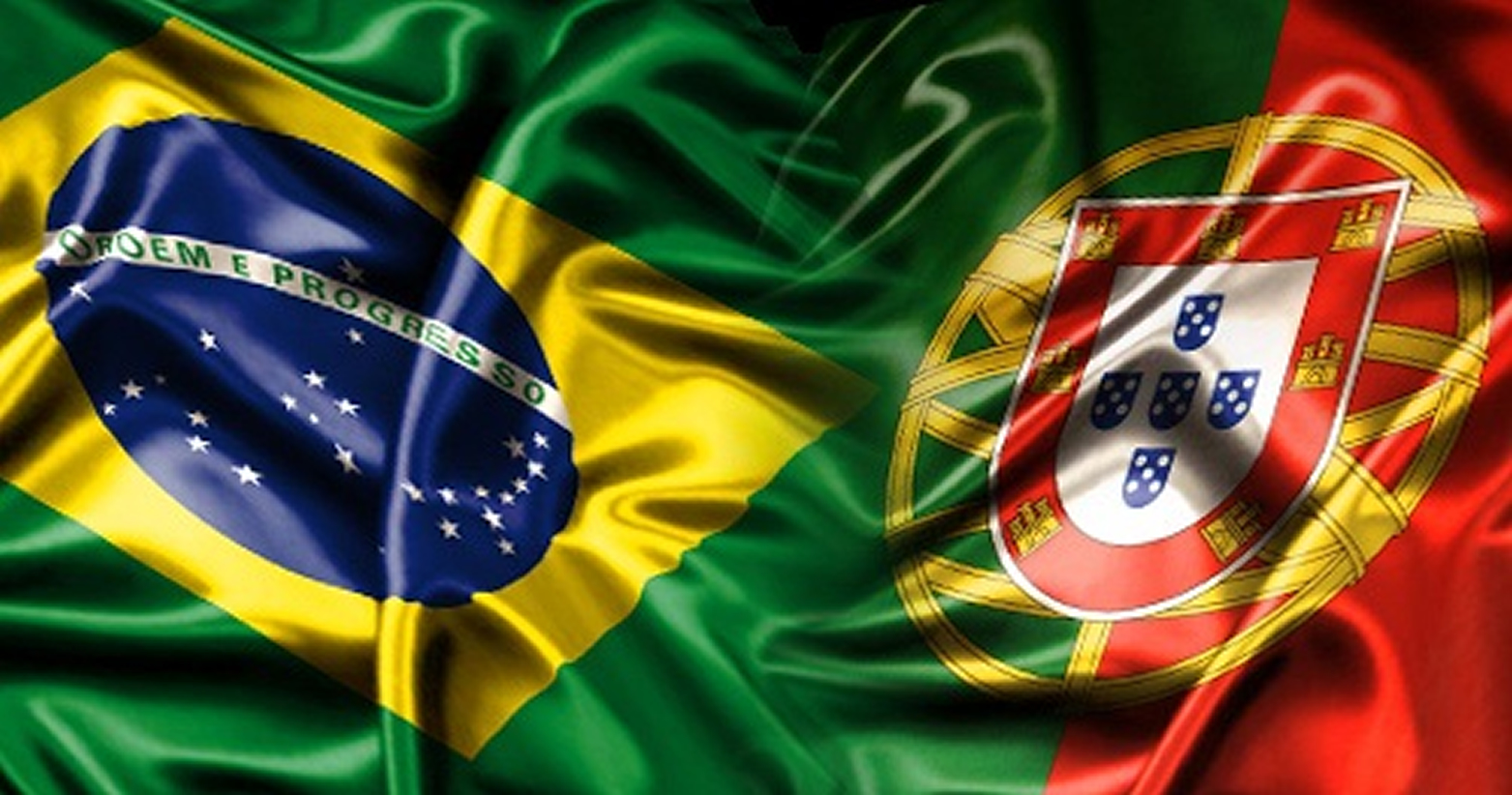
 I’m currently obsessed with an idea for a historical fiction novel and have spent the last week devouring books on colonial Brazil. (I know you’re jealous.) It’s been fascinating reading actually because it’s all entirely new history for me. It wasn’t until World History in high school that I even knew humans existed outside of Europe, and by “Europe” I mean Italy, France, and Britain with a brief stop in Germany for the Reformation. Any ideas I have about Portugal or South America I learned from Columbus Day themed picture books and Disney’s Emperor’s New Groove.
Turns out the Portuguese did more than just finance Columbus. They dominated maritime exploration in the 15th century, and that’s how little Portugal ended up with the enormous colony of Brazil. After a week of research, I now understand the root of all of Brazil’s problems. Portugal.
Everything is Portugal’s fault.
Let’s take education. Brazil does not have a single university in anybody’s top 100 Schools in World list. I recently read an article that could be summed up as “Brazilian have started buying books!” I can’t remember that last time I went to the beach and saw someone reading a book and I’m at the beach almost every weekend. Which makes perfect sense in a country that had printing presses, books, and universities banned for the first 300 years of its existence.
Yes, Portugal controlled Brazil for 300 years before it allowed a university to be built or a printing press to operate. Put another way, book circulation was banned for a century longer than it’s been legal in Brazil. Thanks Portugal!
Do you think Brazil’s government is a quagmire of ineffective bureaucracy staffed by people who are allergic to work? When the Portuguese court fled Napoleon and established itself in Rio de Janeiro, it brought between 10,000 and 15,000 people. When John Adams moved the US government from Philadelphia to Washington D.C., he moved 1,000 employees. And all those 10,000 people who came with the court expected a stipend from the government. Today, public pensions are currently bankrupting Brazil. Thanks Portugal!
Brazil is currently hosting a global event. No, not the Olympics. I’m talking about the largest corruption scheme in the history of democracy, the Lava Jato case in which federal politicians awarded contracts and got kickbacks to the tune of billions of dollars.
It’s actually totally understandable that Congressmen and their friends all expected rewards. When Prince Regent João showed up in Rio, the crown was flat broke, so he just started selling titles to wealthy Brazilian merchants. Prince João gave out more titles in eight years than his ancestors had in the previous three centuries. You get to be a Baron! And you get to be a Baron! And you get to be a Baron! (This is assuming you’d like to make a donation to the Court, of course.) Those of us at the top have to get each others’ backs, amiright? It’s Brazilian tradition. Thanks, Portugal!
I’ve wondered since arriving back in 2006 why the fifth largest country in the world in terms of land area seems to use two lanes roads almost exclusively. Why? Why am I sharing a single lane between states with all the 18-wheeled trucks? Because it was illegal to build roads between states until after João and his court arrived in 1808, 300 years after the Portuguese took control of the territory. And factories weren’t allowed. So no industrialization. Which means no trains. Thanks, Portugal!
I’ve learned all this from 1808 The Flight of the Emperor by Laurentino Gomes. It’s an engrossing telling of an unbelievable true story. One of the most striking accounts of colonial Brazil was from a woman, Maria Graham, arriving in Brazil for the first time. As her ship sailed up, she gushed over the picturesque city of Salvador with it’s beautiful white homes and striking setting on a cliffside. She called it “a city, magnificent in appearance from the sea.” Her opinion changed dramatically once walking the streets of the city. She describes Salvador as no less than “the filthiest place I ever was in.”

While I did not consider Rio anywhere close to the filthiest place I’ve ever been (I lived in a coed dorm in college), I did go through the exact same swing in emotions when first arriving in Brazil. Looking out the plane window, I was in awe of Rio’s beauty. Then I left the airport. The view out the car window was…disappointing in comparison.
Two hundred years separates Graham’s arrival and mine, yet our reactions were nearly identical. Culture is a powerful yet often unconscious shaper of our behavior. I have a university degree in this. I shouldn’t need a reminder, but this book was just that. Now, I understand. The next time I have to argue about whether the phrase “copy of your passport” means just the information page or all pages in the book, or I bounce along a road filled with potholes but with wifi coverage, or I read about another politician who’s been suspended due to a corruption scandal, I’m not blaming Brazil. I’m blaming Portugal.
Because it’s all Portugal’s fault (#blameportugal). And they didn’t even leave a legacy of good wine. Thanks a lot, Portugal.