Author: Brynn

  • A Different Part of the Pig: Volunteering in Croatia

    A Different Part of the Pig: Volunteering in Croatia

    Today is a Throwback Thursday post. I was cleaning out old files and discovered this essay I wrote about a memorable lunch with my homestay family while volunteering in Croatia during the summer of 2003. I wrote it in 2007 for a contest at a now defunct magazine. It was one of the first pieces of creative non-fiction I ever wrote and thought it would be fun to share because the question raised are some I still ask myself daily living in Brazil. (Also, this past week was Carnaval, so I haven’t had time to write anything new.)


    A Different Part of the Pig

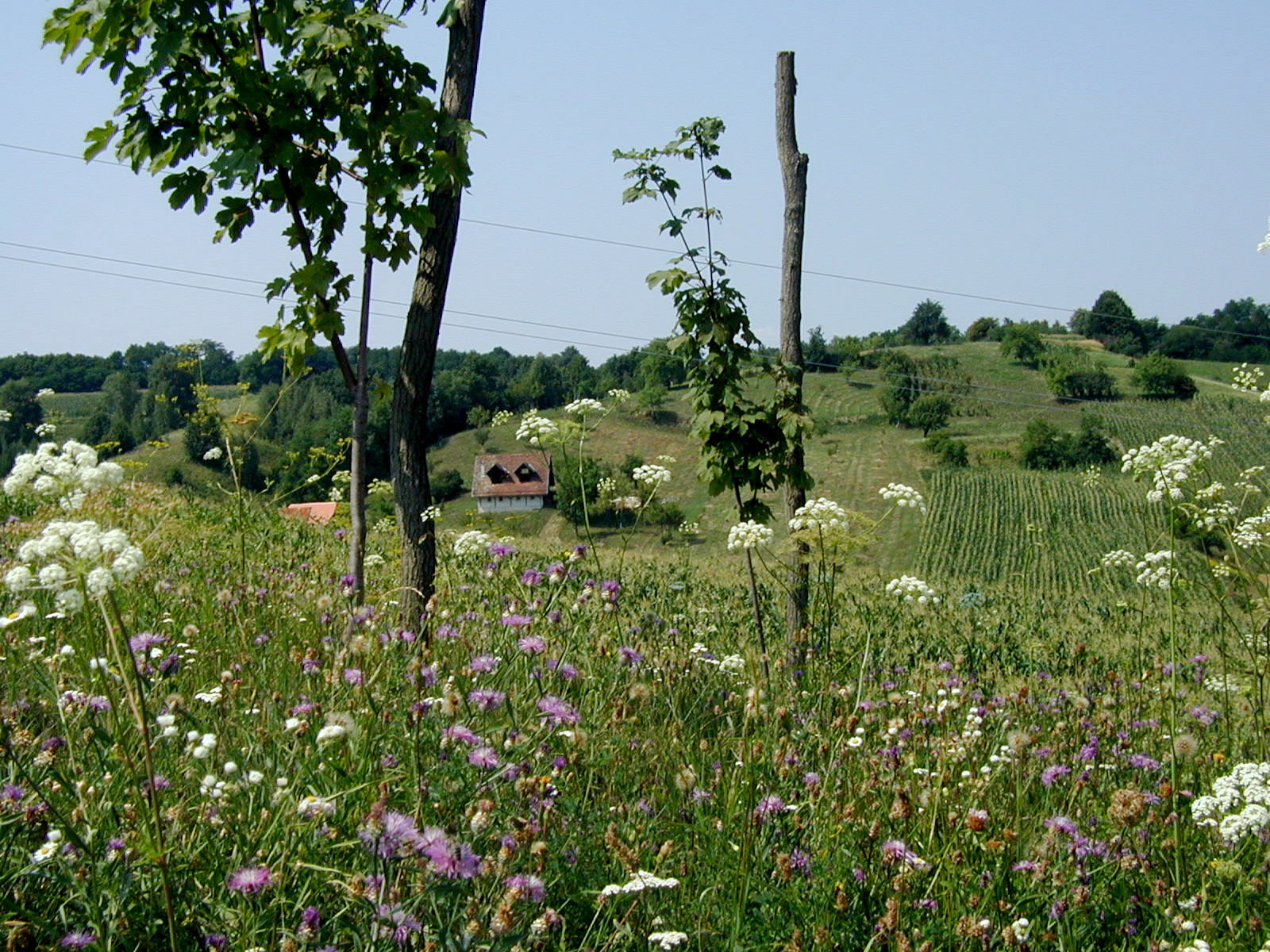
    Koprivnica, Croatia

    It was with something less than enthusiasm that I sat down for lunch next to my host sister.  I had never quite understood what indigestion was, but after three weeks of eating plates of fried meat swimming in its own fat, I could now write an epic poem to its effects.  Unfortunately, the small little village of Zdala, Croatia, where I was teaching, had only 600 people and no CVS with shelves of antacids to choose from.  So, while I was thoroughly enjoying the rewards and challenges of teaching English to the local kids, the prospect of three more weeks of potatoes, bread and meat drowned in liquid fat made each meal a bit of a trial.


    Zdala, Croatia

    I was staying in Zdala with a generous family who had volunteered to house me while I was teaching.  They weren’t receiving any kind of money or stipend for their trouble. I also knew from my walks around the village with my host sisters that no family in the village had resources to waste.  Every house in Zdala had its own small farm and animals that supplied the staples for each meal.  Knowing this, I couldn’t refuse to accept their generosity, even if it made my stomach feel like a beach ball blown up to the point of bursting.  What would my host family think if I turned down the large helping of meat specially prepared for me and asked for a cucumber instead?


    My adorable homestay sister

    As I looked at the table that afternoon, it looked pretty much like every other lunch.  Potatoes and onions, bread (which was homemade, amazing, and the one thing I was never sorry to see) and a large dish of meat stacked in the center of a shinning pool of grease.  But there was something different on the meat this day.  It was placed directly on top of the meat, like the star on a Christmas tree.  A grayish, jiggly star.  Oh no.  I looked at my host mother and grandmother on the opposite side of the table.  There was no way I could discreetly ask my host sister what it was that jiggled at the top of the meat tower. And I knew as the guest, I was going to be offered the first helping.

    These amazing kids chose to attend English classes during their summer vacation!

    That summer in Croatia was my first time living abroad, and the first time I had ever lived with a family other than my own.  I was desperate to make a good impression.  I wanted them to like me and not write me off as one of the arrogant Americans I had heard the cousin talk about.  But I do not eat food that jiggles.  I have had a lifelong no-jiggly-food policy.  I believe that orange Jell-O is the worst food ever invented.  I was sure my family would offer the jiggly thing to me, and I wasn’t sure I could tactfully refuse it on the grounds that it jiggled.

    I was still staring at this piece of grayish, jiggly matter when Granny spooned it out and sure enough, offered it in my direction.  I looked down at the offered spoon and saw them, two slits in the flat top of the fat.  Oh God!  It was a nose.  I was being offered a pig’s nose.  I looked across the table at Granny.  Here was a sweet old woman, smiling kindly and holding out a large spoon with a pig’s nose nestled in it.  I didn’t know whether to laugh or throw up.

    Coming face to face—or, more accurately, face to nose—with a pig nose in a spoon, I knew it could be considered hypocritical to eat some parts of the pig but be repulsed by others.  I was clearly the only one there who found a pig’s nose on the table unusual. I didn’t want to seem rude.  I had come on my first trip abroad prepared to try new things. I was ready to be open-minded, but apparently not open-mouthed. I knew my family couldn’t afford to waste any part of the animal, but I couldn’t eat the nose. I wanted to adapt to Croatian culture, but I couldn’t deny who I was either.  What level of discomfort was I supposed to be willing to accept in order to avoid offending my hosts?  Where should I, or could I, draw the line?

    As it turned out, I didn’t have to answer those questions on that day.  My hesitation (and possibly the shade of green on my face) had tipped off my host family that I was not accustomed to eating this particular part of the pig.  They started laughing, and my sister said I didn’t have to eat it if I didn’t want to.  She didn’t like pig noses, either.  But Granny loved them.  And with that, Granny put the nose on her plate, scooped it up with her own spoon, and slurped it into her mouth.  I knew I would never see Granny in the same way after that.

    My family enjoyed teasing me with other animal parts over the next weeks, like a chicken beak in the soup.  I was so thrilled they didn’t think I was rude that I didn’t even protest when a chicken’s foot was placed right on the middle of my plate.  In retrospect, I could have saved myself some panic if I had just explained that where I come from, we don’t eat noses.  After all, the family didn’t want me eating or doing anything I felt uncomfortable with.

    I still struggle with the question of how far I should go in adapting to different cultures.  There is a balance.  I could not have expected my host family to provide me the exact same foods I had at home.  It was impossible to make Zdala like home.  Living in another country means being uncomfortable and trying things that are often scary.  But at the same time, I cannot reject my own culture and my own feelings.  How far should I go?  Where do I draw the line?  It changes.  I haven’t found the balance yet.  I do have one line that doesn’t move though.  It’s just in front of the pig’s nose.

    Save

    Save

    Save

  • My 10 Favorite Books in 2016

    My 10 Favorite Books in 2016

    One of the best parts of being a writer is getting to read constantly and when someone raises an eyebrow at the four new novels that appeared in your joint Kindle library on the heels of three novels from the previous week getting to say “It’s for professional development.”

    I’ve never done an annual review of favorite books, but while flipping through my Kindle library, I was struck by how many I want to reread (but will probably never find the time because there’s always a new book to read and I feel I should read every book at least once before I go back and start rereading).

    I read some fantastic books last year. Some were beautiful. Some were powerful. Some were laugh out loud funny. And some were just lots of fun. Really the only thing all these books have in common is that they kept me up past my and everyone else’s bedtime, and left me alone in the silent living room with raw eyes at 2 in the morning.

    Code Name Verity by Elizabeth Wein
    Badass friends, pilots, and spies during WWII. This is one of the best historical fiction books I’ve ever read. It’s impossible to explain all the ways this book is so amazing without spoiling the whole thing, but a few are the friendship between Queenie and Maddie, the storytelling device (from the first page you know you’re reading a hand written confession to Nazi captors), and the fascinating and (based on the author’s notes about her research) accurate details about WWII. Actually, this book gets points for teaching me something entirely new about WWII, the women pilots of the RAF.


    Between Shades of Gray by Ruta Sepetys
    Equal parts brutal and gorgeous, this book tells the story of a fifteen year old Lithuanian girl ripped from her home by Stalin’s Soviet Union. It’s a harsh read. The scenes of desperation, torture, and brutality whether from the Soviet soldiers or the Siberian winter are heart stopping. The gorgeous prose in which Lina’s story is told only highlights the inhuman cruelty around her. I knew almost nothing about Stalin’s atrocities in Eastern Europe, which made this book so much more powerful. Lina’s story is based on the true stories of millions who’s lives were destroyed and then forgotten. It’s a necessary and powerful book.


    And I Darken by Kiersten White
    Vlad the Impaler reimagined as a vengeful, bloodthirsty princess. Do I need to say more? I can. The book reimagines the history of the Ottoman Empire not long before it takes Constantinople. I loved the original setting. I don’t think I’ve ever read an Ottoman Empire story and definitely not from the Ottoman side, which is where most of the story takes place as Lada is taken hostage the Ottoman court in exchange for her father’s support of the empire. The best historical fiction makes you want to learn more about the time and place of the story, and this book did exactly that. Vlad the Impaler’s name is both literal and extremely accurate.


    Simon v. The Homo Sapiens Agenda by Becky Albertalli
    I didn’t only read historical fiction last year. Simon is contemporary YA, and it is AMAZING! I’m not just saying this because it’s set in my and Albertalli’s hometown of Atlanta, and I totally understand Simon’s enthusiasm for the Varsity. Simon is one of the most authentic teen characters I’ve read. The blend of humor, anxiety, anger, and joy perfectly reflects the trials of high school. Simon’s life is thrown into turmoil when one of his emails is seen by another student who threatens to force Simon out of the closet if he doesn’t help the blackmailer hook up with one of Simon’s friends. If that wasn’t enough, there’s best friend jealousy and rehearsals for Oliver to worry about. (There’s no way Albertalli wasn’t in high school theater herself. It’s too true.)


    If You Come Softly by Jacqueline Woodson
    I do not recommend this book for anyone currently writing their own novel because you’ll finish this book and think “Why the hell even bother? There’s no way I can do this.” The prose is lyrical. The characters are beautifully drawn. It’s a simple and sweet retelling of a very old tale, the star-crossed lovers, Miah is black and Ellie is Jewish. I think high school is the only period in life where love, or better connection, at first sight is possible, and Woodson elegantly brings Miah and Ellie’s spark to life.


    My Lady Jane by Cynthia Hand, Brodi Ashton, & Jodi Meadows
    Laugh out loud historical fiction, reimagining, fantasy…don’t get too caught in the defining the genre. Apparently Lady Jane Grey was queen of England for nine days between Henry VIII’s son Edward and daughter Mary. Historians estimate she was between 16 and 17 when executed on Mary’s orders technically for high treason but really for having the awful luck of being young, female, and related to royalty during a power vacuum. The real story of Lady Jane was just too tragic for the authors who decided she needed to escape, save the throne of English, and have the ability to turn into an animal. It’s also hilarious.


    The Star-Touched Queen by Roshani Chokshi
    This breathtaking YA fantasy plunges readers into Indian mythology, as Mayavati attempts to forge her own destiny. Born a princess but shunned for a pretty terrible horoscope promising death and destruction, Maya battles prejudice, demons, and even the stars themselves to thwart her fate. For me, the story was a fascinating introduction to apsaras, pishachas, yakshinis, and so many other beings from Indian mythology. It’s pretty obvious at this point that I particularly love fiction which entertains and teaches me something new about the real world.


    Ms. Marvel Vol. 5 by G. Willow Wilson
    Ms. Marvel is the super hero the United States needs right now. American, Muslim, female, fangirl, with boundless youthful optimism to boot, Kamala Khan is one of the greatest teen characters in fiction right now. Wilson’s characters are the best representation of American Millenials that I have read. Period. Ms. Marvel is a giant punch in the face to all the Millenial haters. Even if you’re not a reader of comics, if you enjoy great characters and fun, you will love Ms. Marvel.


    March Vol. I-III by John Lewis
    Speaking of comics, you’d think by now everyone would know that comics and graphic novel formats aren’t just for stories about super powers, but amazingly there are still those left in the dark. March is a memoir about Congressman John Lewis’ time as a leader in the Civil Rights Movement during the 60s. Lewis was chairman of the Student Nonviolent Coordinating Committee (SNCC), which led the sit-in protests across the South. Lewis helped organize the March on Washington, but it was his stories from the front lines that took my breath. Lewis and his fellow SNCC volunteers were beaten at sit-ins only to return another only to be arrested just to go back out again. Lewis was locked inside a restaurant by an owner who left a fumigator running. He was one of the freedom riders and only missed being on a burned bus because he was beaten an arrested at an earlier stop. And to tell about the Birmingham Church bombing that left four girls dead and 21 children injured or Bloody Sunday, when hundreds of peaceful marchers were beaten by police while kneeling to pray, a picture is worth much more than 1,000 words.


    1808: Flight of the Emperor by Laurentino Gomes
    This book is the foundation of my current work in progress. I was imagining a pirate story in colonial Brazil and then I read about Dom João, the Prince Regent of Portugal who fled from Napoleon to Brazil and took a 10,000 member court with him. This is non-fiction, but all the major players are characters. The Court’s evacuation was so frantic, they left the entire royal library in crates on the docks in Lisbon. The Prince Regent is straight up comic relief from his cowering in the bedchambers during thunderstorms to his fear of crustaceans. And Rio de Janeiro is rampant with corruption, murder, and diamond smuggling. If you’re like me and never studied anything about Portugal in school other than Magellan was born there, I highly recommend this book and unbelievable story.


    Save

    Save

    Save

    Save

  • When the Police Went on Strike in Vitoria

    When the Police Went on Strike in Vitoria

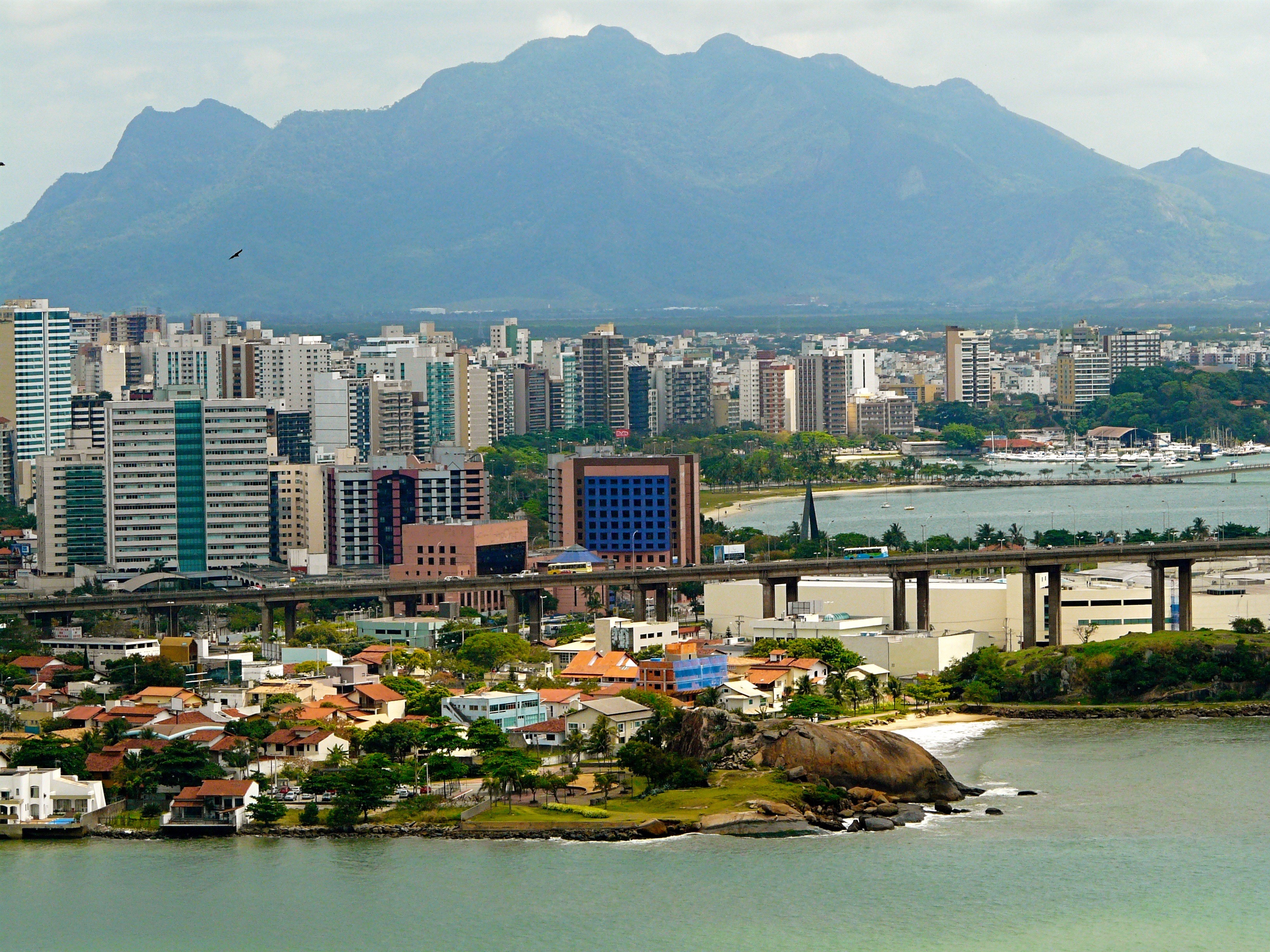
    Vitoria, Espirito Santo, Brazil

    I’d been wondering how to break a five months long silence on my blog. I couldn’t think of a topic or an angle. I didn’t know what I wanted to write about to kick off a new year.

    Then the police went on strike.

    Early Saturday, February 4, the wives and families of police officers across the state of Espirito Santo gathered in front of barracks, forming human chains across the entrances effectively blocking any police or vehicles from entering or leaving the barracks. After four years without a pay raise and the lowest salaries of any police in Brazil, the movement wanted a raise and bonuses for night and higher risk work for the police. By late Saturday morning, there were no police on the streets anywhere in the state of Espirito Santo.

    It actually took a couple of days for their absence to be felt statewide. Saturday was a totally normal day for us. We went to a park near the beach and had lunch out. A sitter came over later, and my husband and I had date night. We walked to our favorite restaurant, passing people grabbing ceviche from a food truck, walking dogs, or making a late run to the drug store.

    The only hiccup came at the door of the restaurant. It was locked. There were people inside eating. The security guy confirmed the restaurant was open and within seconds a waiter let us in, locking the door behind us.

    Our blissful ignorance lasted until Sunday morning. When planning our day, my husband said in passing “The police are on strike, so we should go somewhere with private security.”

    Excuse, me?

    One long term consequence of the strike for me personally is that I’ve now started reading my local paper. Something I should have probably been doing on occasion these last six years.

    We did go out in the morning, but by Sunday evening we were having dinner at home. With the increased risk of violence, public hospitals, schools, and universities across the state closed for Monday. Private schools, including my daughters, followed suit. Monday, February 6, was supposed to be the first day of the new school year.

    That night I noticed my husband locking the deadbolts before going to bed. We never locked the deadbolts before.

    The texts from concerned friends around Brazil and even in Portugal started popping up Monday morning as did footage from around the city and state. While our neighborhood had been relatively quiet over the weekend, other areas were not as fortunate. Gangs of looters attacked stores around the metro area. A burning bus, armed robbers zipping around on motorcycle, shoot outs in the street. I learned several stores in our neighborhood had been robbed over the weekend, and pictures of smashed storefronts and videos of carjackings were filling up my Facebook feed.

    Gangs were taking advantage of the police’s absence and shooting anyone from a rival territory who crossed their path. The number of murders in the metro Vitoria area over the weekend was 51 compared to 4 in January.

    By Monday afternoon, the extent of the violence that had descended on the state in the police’s absence was clear. The state government asked Brasilia for military assistance.

    We stayed home all day Monday. Schools were canceled for a second day, so we stayed home all day Tuesday. By the end of the day Tuesday after more than 60 hours at home, my daughter and I were screaming at each other over a Lego train. Our problems were nothing.

    Vila Velha, Espirito Santo The city across the bridge from Vitoria. All part of metro Vitoria.

    By Wednesday the police union was reporting the number of violent deaths in Espirito Santo during the strike had risen to 90. 200 cars were reported stolen on Wednesday up from an average of 20. More than 200 robberies and assaults. Schools, stores, restaurants remained closed. R$90 million loss to businesses. Public transportation had stopped running. The streets were completely empty.

    My dad called from the US on Wednesday morning.

    I hadn’t called anyone. Our neighborhood was quiet, our doors were locked, and the army had been spotted patrolling a few blocks from our building. We were safe, so I didn’t see any reason to alarm family. But the BBC picked up the strike. For maybe the first time ever Vitoria, Brazil was international news, and my dad saw the headline.

    I assured my dad we were safe and our neighborhood was calm. I told him about the Governor’s press conference that morning in which he passionately declared the strike illegal and unconstitutional and vowed not to negotiate with hostage takers. Meanwhile, one of the wives in the movement gave an interview vowing not to move until the police got a raise. So there wasn’t going to be any deal in the near future.

    I didn’t mention the attempted building invasion that happened around corner Tuesday night.

    I was putting my daughter to bed and didn’t hear the commotion, but my husband did. He thought it was people cheering the army driving through the streets. We learned the next morning that a gang had tried to break into one of the apartment buildings around the corner. Somehow they were thwarted, but we were done. What is a single doorman going to do against a mob? Our uneventful days at home now seemed more like good luck than legitimate security.

    We bought one-way tickets for Rio and left that afternoon. The irony of going to Rio de Janeiro to escape violence is not lost on me. Our first day in Rio, there was a massive strike against the privatization of the water company. We drove by streets packed with police trucks and vans and battalions in full riot gear. “Oh, here are all the police.”

    We spent the remainder of the police strike in Rio checking the news constantly to see if a deal had been reached. Friday night the government announced a deal, but on Saturday morning the wives and families announced they had no intention of leaving because they had not been included in the deal. The governor signed a decree handing security over to the army, which called in 3,000 troops. The strike was declared illegal in court, and police were ordered to return to the streets. A week after the strike began, the news reported more 700 police officers were being indicted.

    With the additional troops, violence subsided and residents desperate to resume normal lives after a week of unrest returned to the streets. The buses were back to running on Sunday. Schools announced they would finally start the new year on Monday. We flew back on Sunday afternoon to find the city running more or less as usual.

    As of this morning, the government says 1,900 police have returned to patrols, which is “close to the normal amount”. I’d like to know exactly how close, but I have a feeling the government wants everyone to just assume 95%. Based on how normal life around the city is, I’d guess that’s what we’re all doing.

    There are still families protesting. Not all barracks have returned to patrols. The government has released a list of 155 names of officers under investigation. The state also released its own number of homicides. Between February 4 and 13, there were 143 homicides. February 6 was the most violent. 40 people were murdered compared to three the same day last year. The Federation of Goods and Commerce estimates losses for businesses will exceed R$300 million.

    One of many articles on the protestors

    Through the whole crisis the wives and families surrounding the barracks insist the protest was their idea alone, and the police had nothing to do with it. They claim it was organized among themselves through social media without their husbands’ knowledge. No one believes this.

    There were many people who agreed with them that working conditions for the police in Espirito Santo are abysmal. The government should be ashamed. Brazil’s economic crisis has been driving up inflation but the police in Espirito Santo haven’t had a salary adjustment in four years, let alone an actual raise. But they overplayed their hand. What started as a protest by wives, mothers, and sister gathering at a single barracks in Serra grew over the course of 24 hours to a full police strike that brought statewide chaos.

    It was shocking, frightening, and for my part almost too surreal to feel anything. I went to the airport with my and my daughter’s passports in my shoes.

    And now if you weren’t personally affected by the violence, it’s life as usual.

    Except it’s pretend. People are dead and livelihoods lost. The police didn’t get their raise, and now hundreds are at risk of losing their jobs and the commanders are saying publicly the police department and its hierarchy has been completely destroyed. The army will be providing extra security for Carnaval celebrations and has promised to stay as long as it’s needed, which is indefinitely at the moment. And honestly having my streets patrolled indefinitely by soldiers trained for war, not civilian law enforcement, makes me queasy.

    And yet I’m sitting at a café with my cappuccino writing a blog post loving the freedom that comes with a regular school day.

    It was a disaster. There were no winners. Just a very, very long list of losers. I’d say I’m glad it’s over but it’s not over. The police might be back on the streets, but the fall out hasn’t even begun. And the list of losses will just keep growing.


    Save

    Save

    Save

    Save

    Save

  • Knocked Up Abroad Again is Now Available!

    Knocked Up Abroad Again is Now Available!

    creativity-is-intelligence-having-fun-2I’m thrilled to announce that after a successful Kickstarter campaign Knocked Up Abroad Again is available for purchase on Amazon!
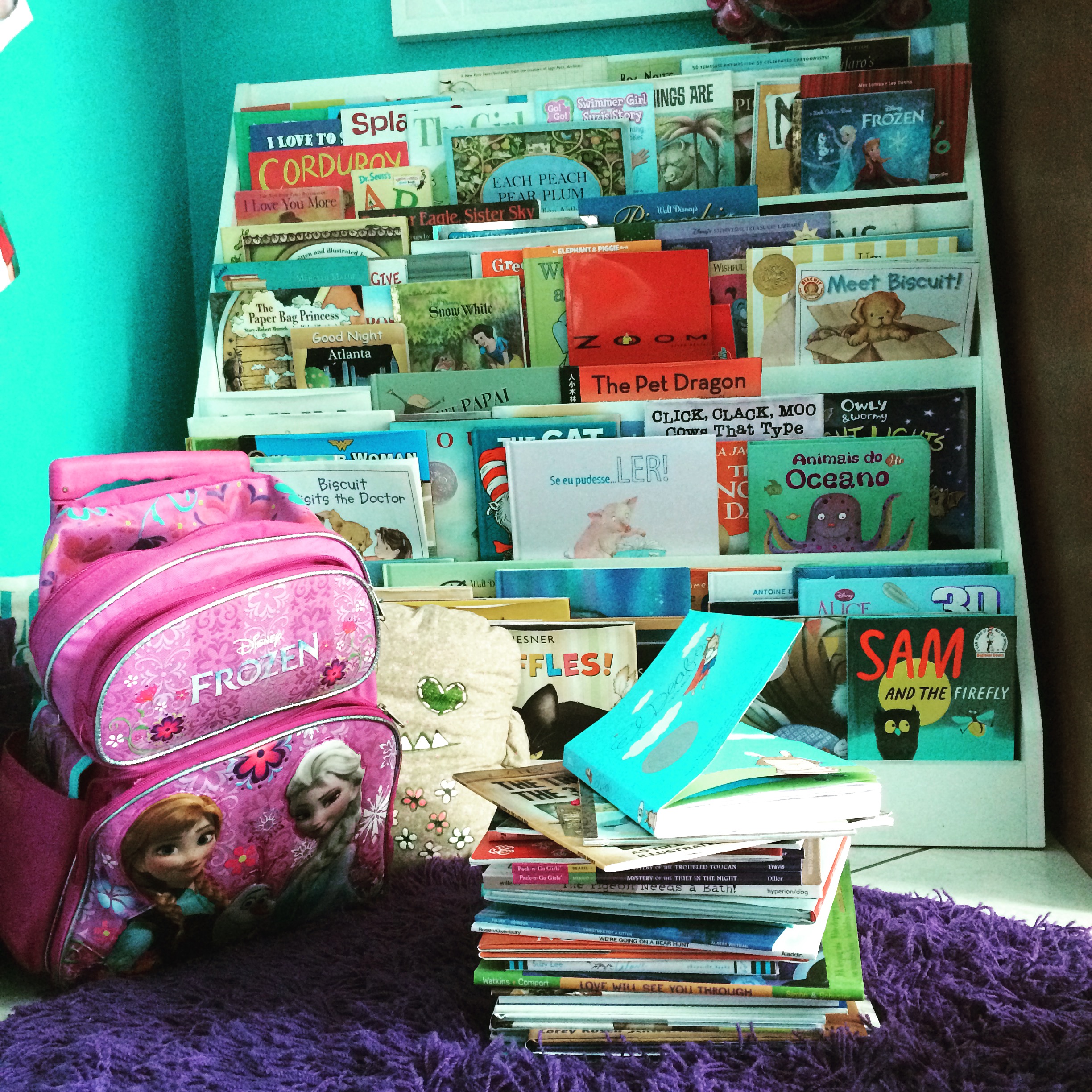
    Hip, hip, hooray! Hip, hip…Dear god, I’m never doing another Kickstarter campaign again. I wasn’t even in charge of the thing. Our editor put in a billion more hours organizing and promoting the thing, but I still felt like a used car salesman begging people to donate their hard earned money and time on my words. Who am I kidding? How am I ever going to promote and sell my own books if I can’t promote a collaborative work on Kickstarter on my Facebook? Even if I get published I’m never going to sell a single book. Never! My promotional posts will read “If you don’t mind and happen to enjoy this particular type of book and maybe have ten extra dollars to spare I would greatly appreciate it if you wouldn’t mind buying my book and if you really, really liked it then perhaps tell a friend about it. If you have the time and it won’t be a huge inconvenience. That would be really great. Thanks so much. (And if you’re not into YA or not a huge reader I totally understand. No hard feelings.)” I’m never going to sell a single book. But how can I be an author if can’t ask people to buy my book? Aaaaaagh!

    Sorry about that. I got off track. What was I saying? Oh right, Knocked Up Abroad Again has been successfully funded and is now available for purchase on Amazon! It’s the perfect gift for expectant parents, travelers, and expectant travelers in your life. If you want. I don’t want to insist. Pretty please. But only if you like this sort of thing.

    In all seriousness, thank you to everyone who donated to the project, and I hope you enjoy the book!

    Save

    Save

    Save

  • Our Walk to School

    Our Walk to School

    IMG_1405Our Walk to School   A one act play inspired by true events with a 5-year-old.

    Mom: (Shouted from front door) Ok, time to go. Do you have your shoes on, yet?

    Kiddo: (Shouted from bedroom) Not yet. I need to finish something.

    Mom: (Shouted as pleasantly as possible to avoid a last minute fight but forceful enough to convey annoyance at shoes still being on.) No, you don’t. I’ve already asked you several times to put your shoes on. Now, it’s time to go. We’re going to be late for swim class.

    Kiddo: (Shouted in complete indifference) I’m almost finished.

    Mom: (Marches into child’s bedroom.) What are you doing? Why are your shorts and undies around your ankles?

    Kiddo: I had to go pee pee.

    Mom: But why are your shorts still around your ankles?

    Kiddo: I’m trying to make the top spin.

    Mom: Why wouldn’t you pull up your pants first? And why are you playing with a top? Ok, stop. We need to go. Where are your shoes?

    Kiddo: (Leaving the top aside and picking up a book off the floor while still half naked.) I don’t know. Mommy, can we read The Book with No Pictures?

    Mom: No, not right now. We’re going to be late for swim class if we don’t leave right now! Please, pull your shorts up while I find your shoes.

    Mom leaves to find the shoes, one under the couch and one under the desk in the office. She returns to child’s room where Kiddo is now fully clothed but minus socks and looking at her calendar.

    Mom: What happened to your socks!

    Kiddo: I don’t like that pair. I want to wear my spider socks. Mommy, what day is Christmas?

    Mom: (Through gritted teeth.) A long time away but it won’t matter because if you’re late to swim class Santa won’t come. (Kiddo drops to floor and starts trying to put shoes on. Mom picks up and puts away unsatisfactory first pair of socks.)

    Kiddo: (Teary eyed and whimpering) It’s too tight! (Slams be-shoed foot on ground repeatedly.) Mommy, it’s too tight.

    Mom: (Exhales slowly) Because it’s on the wrong foot.

    Kiddo: Oh! (Giggles)

    Mom: Why are you only using one hand? You can’t put tennis shoes on with only one hand. We need to leave now!

    Kiddo: I pinched my finger in the drawer getting my spider socks and now it hurts. I can’t use it.

    Mom: (Muttering) For the love of… (Squats and puts child’s shoes on totally over trying to foster independence this morning) Ok, we’re ready! Yay! Let’s go. (Mom grabs school bag and purse and runs to door.)

    Kiddo: (Pulling on Mom’s shirt while she locks door)  Tell a story! Tell a story!

    Mom: I will when we get to the sidewalk, ok? Let’s start walking first.

    Kiddo: (Foot touches the sidewalk. Tugs Mom’s hand.) Ok, tell the story! Tell the story!

    Mom: (As they walk to school) Ok, where were we? So the Bowser kids decided they were going to play a trick on their Dad…

    Kiddo: Noooo. Not a Bowser kid story. I want a Mario story.

    P1000912Mom: Oh, ok. One day Mario was walking through the forest on his way to Princess Peach’s castle for tea when he heard a noise and Yoshi appeared.

    Kiddo: No, not Yoshi! It was a little Eevee. It was going “Eevee! Eevee!” (Jumps up and down and flails arms) Because it lost its family.

    Mom: So Mario heard a noise and saw a very strange creature by the river. Mario thought it looked like a Pokemon so he called his good friend Ash and asked “Do you know want this is?” Mario held up his phone so Ash could see Eevee and Ash said…

    Kiddo: (Yanking on Mom’s hand) That’s when Mario sees another Pokemon! A Squirtle!  It said “Squirtle! Squirtle!” and it was soooo adorable! And Mario took it to Princess Peach’s castle. And she thought it was so adorable. (Pause) C’mon Mommy! Tell the story! (Pulls on Mom’s arm)

    Mom: Mario thought Princess Peach could help the lost Pokemon get back to their world so he took them to Peach’s castle and…

    Kiddo: Then all the Pokemon appeared!!! There was a Charmeleon and a Bulbasaur and an Amaura, a Rhyhorn, a Leafeon! All the Pokemon!

    Mom: So when Mario got to Peach’s castle he was shocked to find it filled with Pokemon! There was a Lapras swimming in the fountain and Ponyta eating the roses in the garden. Inside the castle, there were Zubats and Pidgies and Fledglings flying around and pooping on everything!

    Kiddo: (Shrieks with laughter) They were pooping on the table, on the floor, on Luigi’s head.

    Mom: Oh, Luigi’s there?

    Kiddo: Yes, a Pidgey pooped right on his head!

    Mom: Luigi walked into the castle and felt a splat on top of his head. Fortunately, he was wearing a hat.

    Kiddo: But then he took it off and a Zubat pooped on his hair! (Hops up and down laughing and clapping her hands)

    Mom: Well, Princess Peach was very upset all these Pokemon were destroying her castle…

    Kiddo: So she called the Ghostbusters!

    Mom: The Ghostbusters? Why would she call the Ghostbusters?

    Kiddo: Because they catch Pokemon and ghosts.

    Mom: Ok…so Princess Peach calls the Ghostbusters. They bring their special…

    Kiddo: (Yanking on Mom’s hand) You have to sing the song!

    Mom: (Glances around to see how many people will get to enjoy this) Na,na,na,na,na,na. Na,na,na,na,na,na. There’s something strange in your neighborhood. Who ya gonna call?

    Mom & Kiddo: Ghostbusters!

    Mom: So the Ghostbusters show up at Peach’s castle and begin catching all the Pokemon. They had some trouble with Charizard though. It was perched on top of the tallest tower and refused to come down. Peach was very upset because it was going to be a major pain to replace the roof tiles on the highest tower. She asked the Ghostbusters…

    Kiddo: Then the little Eevee appeared and snuggled up to Princess Peach. And Princess Peach thought it was so adorable, she wanted to keep it forever. But the Eevee missed its family. So Peach decided to keep all the Eevees and Vaporeons and Leafeons and Sylveons. And then a cute, little Amaura appeared and licked Peach’s face and it was so cute. Peach decided to keep it and used her Harry Potter magic wand to create an ice cave in the yard for the Amaura to live in because it was too hot outside. Then Peach heard the Eevee crying “Eevee! Eevee!” because Team Rocket was trying to catch it!

    Long Pause. Kiddo looks up at Mom.

    Kiddo: C’mon Mommy! (Shakes Mom’s arm.) Tell the story!

    Mom: Why don’t you tell the story?

    Kiddo: Because I don’t know the story!

    Mom: But you do! You’ve been the one telling it for the last block and…

    Kiddo: I don’t KNOW the story! You have to tell it!

    Mom: (sighs) So Team Rocket captured Eevee in a net and was pulling it up to their hot air balloon.

    Kiddo: No, they were in a giant Meowth robot! That was electric proof so Pikachu couldn’t help Eevee escape.

    Mom: What Pikachu?

    Kiddo: Ash’s Pikachu.

    Mom: When did Ash and Pikachu show up?

    Kiddo: They came with the Ghostbusters.

    Mom: Oh, look! Here we are! And there’s your class headed to pool. Better hurry. Bye, love you! (Mom and Kiddo hug and kiss) Have a great day at school!

    Kiddo: And you can finish the story when we walk home! (Skips off, waving)

    Mom: (Sinks down onto a bench) Sure. Can’t wait.

    Lights fade to black.

    This play is based on every walk to school we’ve taken this past year. It is not an exaggeration. It is truth. And it is every single day.

    Save

    Save

    Save

    Save

  • MKB Read Around the World Series: Under a Painted Sky

    MKB Read Around the World Series: Under a Painted Sky

    Today for MKB’s Read Around the World Series, I’m recommending a beautiful tale of friendship set during the Oregon Trail! It’s a beautiful book and a must read for any history or adventure lovers!


  • 10 Tips to Enjoy Rio de Janeiro

    10 Tips to Enjoy Rio de Janeiro

    Rio 1 2008-82Alright, now that we’ve covered 10 ways to avoid trips to the police station and hospital in the last post, it’s time fill up all that vacation time with the second half of my list.

    IMG_2022
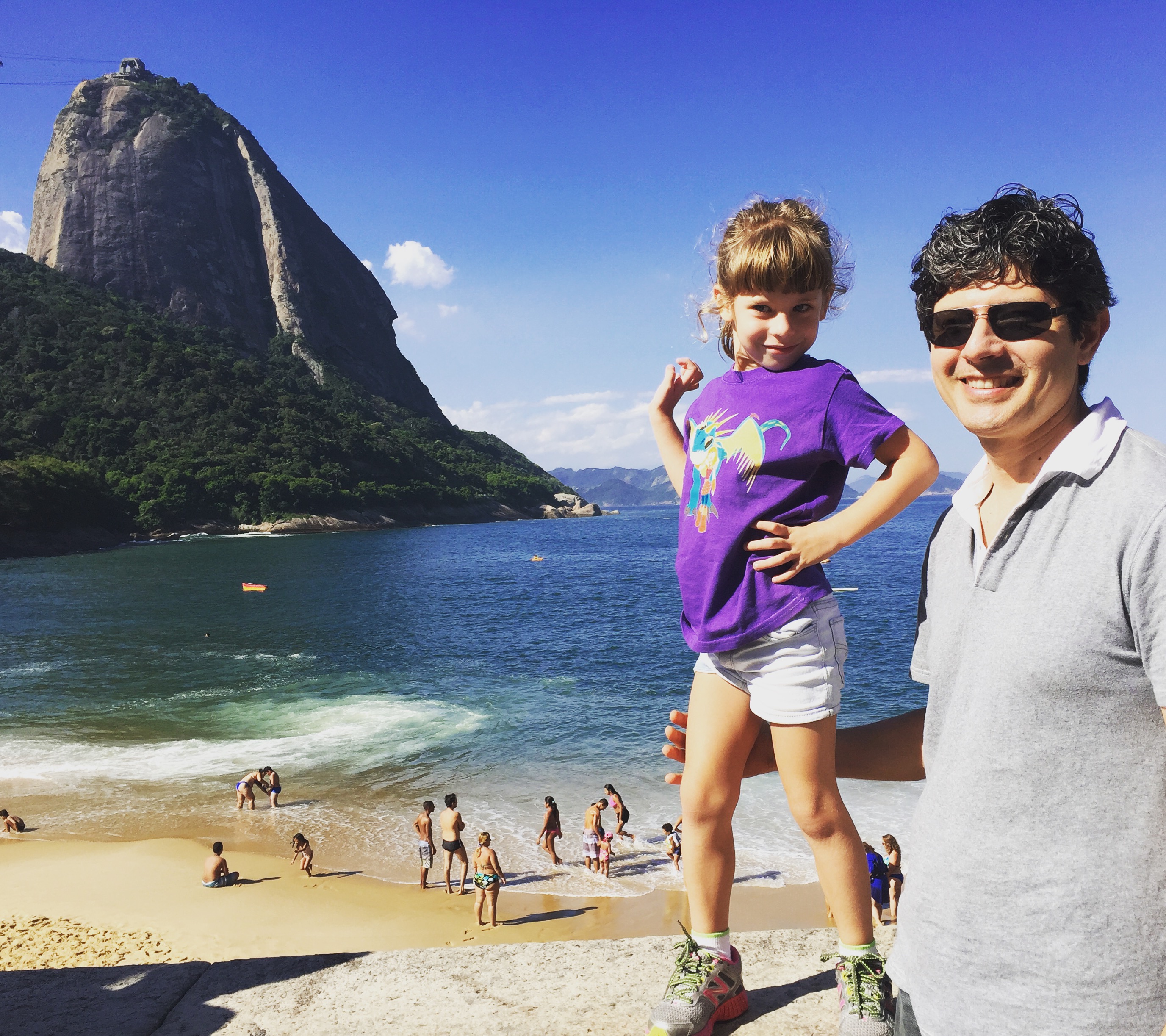
    This one young tourist is feelin’ good after visiting Sugar Loaf and Praia Vermelha!
    P1020593
    So cute!!!

    11. Sugar Loaf  or Pão de Açucar in Portuguese but that ão sound is crazy hard to make, so I think visitors to Brazil can be forgiven for using Sugar Loaf. In my opinion if you have a choice between Christ the Redeemer on Corcovado or Sugar Loaf, pick Sugar Loaf. The most crowded day I’ve been on Sugar Loaf involved 50% fewer people than my most crowded trip up Corcovado. (And let’s assume any day sightseeing during the Olympics will be in contention for “most crowded”.) Both sites have amazing views of Rio, but Sugar Loaf and Morro da Urca (the smaller mountain next to Sugar Loaf) have more space to wander around the forest, including a trail that wraps around the bottom of Morro da Urca and offers a great chance of seeing micos (the little marmosets you might remember from the movie Rio), blue butterflies, and all kinds of birds and other local animals. Yay, micos! Then you stop and have lunch at Praia Vermelha (Red Beach). That is a great morning!

    It's those same tourists again. This time visiting Praça XV in front of the Paço Imperial.
    It’s those same tourists again. This time visiting Praça XV in front of the Paço Imperial.

    12. Arco do Teles You can go back to colonial Rio by walking around this street off of the square Praça XV. I recommend going for lunch and grabbing a prato feito, a daily set menu that usually includes a choice of meat, rice, beans, french fries, and salad. Then go back across the square to Arlequim, a fabulous music & book inside the Paço Imperial, the former Imperial Palace. The store is a great place to pick up books and music from Brazil and grab a coffee and dessert.

    23313. Walk Along Copacabana Pretty self explanatory. The rules for beach going apply. Wear your shorts, tshirt and flip flops, bringing a little cash tucked away. Work out attire is fine too. The sidewalk will be full of people jogging and riding bikes. Grab a coconut to drink and stop and watch a game of footvolley. It’s volleyball played with your feet and it’s awesome.

    14. Confeitaria Columbo Oh man, go to the downtown (Centro) location late in the afternoon after you’ve spent the day walking and feel you deserve a generous reward. Confeitaria Columbo is a gorgeous Belle epoque cafe and both the decor and dessert are amazing. They do offer meals and salty snacks, but you’ll regret that choice when you see the desserts being delivered to other tables. I recommend the rabanada, a Brazilian version of french toast, or anything else on the menu honestly.

    IMG_070615. Juice Crawl A staple of Rio is restaurants and kiosks specializing in fruit juice. The variety of fruit available to be freshly squeezed is astonishing and I can promise, no matter how hard you try, you will not be able to try juice from every fruit on the menu. My cousin made the most valiant effort I’ve ever seen, and even after consuming 2.5 liters of liquid during a walk from Leblon to Ipanema, she’d not tasted a quarter of the fruits on the menus.

    IMG_138716. Jardim Botanico A beautiful Botanical Garden that offers a welcome chance to slow down and enjoy the tropical flora and fauna of Rio, including Tucans and parrots. There are beautiful plants there too, but I’m more of animal person. I remember the snack area having some super friendly stray cats, which my husband was a lot less thrilled about.

    P1020596
    Two American tourists enjoying their informative yet enjoyable audio guides! Their big sister definitely did not order them to smile for this picture.

    17. Museu Histórico Nacional If you like history or would just like to know something about Brazil other than it’s affinity for soccer and barbecue, visit the National History Museum. They have guided audio tours in a variety languages. You can hear Dom Pedro’s famous speech when he refused to to return to the Court of Portugal and declared himself emperor of an independent Brazil or learn about Princess Isabel who finally ended slavery in Brazil in 1894.

    P101019718. Churrasco If you eat beef, you need to do so while in Brazil. Find a churrasco. Just type “churrasco Rio de Janeiro” into Google. They’ll probably be one within two blocks of wherever you’re standing. Brazilian know how to cook meat and they cook every part of the cow. Go for lunch and then plan on laying down for the rest of the day.

    P101061619. Watch Some Capoeira I’m sure there will be groups playing capoeira in the parks and beaches during the Olympics. With the exception of açaí, I don’t think there is a more uniquely Brazilian export. Capoeira is a Brazilian martial practiced to music and dance. I wrote a post explaining the history and practice of capoeira. For now, I’ll just say if you see a circle of people wearing white, singing and clapping, while two people dance around each other in the middle, stop and watch for a few minutes.

    IMG_201020. Beer, Snacks, and a Lovely View at Bar Urca This is a more personal recommendation. Back in our childless Rio days, my husband and I lived very close to the Urca neighborhood, which sits just on the inside of Guanarbara in the shadow of Sugar Loaf. The neighborhood is quiet with beautiful houses and a magnificent view of the bay and Rio. Bar Urca is just across the street from the water. Late afternoon you should go grab a beer or soda, a basket of pasteis, take them to the stone wall overlooking the water, and enjoy the view and company. You won’t regret it.

    That’s it. I’m out of suggestions and advice. There are of course so many more things to do and ways to get into trouble than I’ve mentioned in my post. I don’t surf, so I can’t advise on best beaches for waves. I’m not a thrill seeker and have never had any desire to go hang gliding in Rio, and I’m not much of a live music in a bar person. The city of Bossa Nova is wasted on me. But Rio is known for all of these things. Rio has a lot to offer tourists than the beach and a stomach bug.

    You can see from the pictures, we’ve had family of all ages visiting Rio and Brazil for years and our biggest emergency has been running out of toilet paper in the apartment. With a little planning and a few precautions, Rio de Janeiro can be an amazing experience. Just leave the passport in the room and bring the bug spray.

    IMG_0035

    Save

    Save

    Save

    Save

  • 10 Tips to Survive Rio de Janeiro

    10 Tips to Survive Rio de Janeiro

    IMG_2008Last week my family and I were waiting in the citizens service area of the US Consulate in Rio de Janeiro, and I overhead a young man pouring out a pretty tragic story to the consulate staff standing opposite the bullet proof glass. He’d been robbed and had lost every single form of id, all his credit cards, and all his cash. He was left with no proof of identity whatsoever.

    My husband and I cringed at the guy’s story. As a woman, I know we shouldn’t blame the victim. A person should be able to walk down any street with his house deed and gold bullion spilling out of his pockets without the threat of violence. But dude! You walked around Rio with all of your documents in your pockets? Come on!

    IMG_1990Because I have been a recently arrived foreigner in Rio without a word of Portuguese other than Obrigada and with the Rio Olympics opening in less than week, I’ve written down some tips to help visitors survive enjoy their time in Rio. The tips are gathered from my own experience in Rio and the advice my Carioca (native of Rio de Janeiro) husband gave me when I first arrived.

    1. Leave Your Passport in the Hotel Safe  Do not walk around Rio with your passport in your back pocket. Take a driver’s license, or even better a student id, just something with a picture and name so that your body could be identified. (I’m not saying you’ll be shot. Even though Rio does have an incredibly high violent crime rate, you’re much more likely to die in a car accident or crushed by a hastily constructed bikeway.)
    2. Carry Cash Only or 1 Credit Card at Most Every touristy area in the world has pickpockets and canceling stolen cards is a major pain. Save yourself the worry. Also, withdraw a bunch of cash at the airport (Don’t carry it all at once or in the same pocket), so you can leave your ATM card back at the hotel too.
    3. Speaking of Cash…Always Have Small Bills  Many taxi drivers will tell you they cannot break a fifty. They will swear to it on their mother’s life, and then demand you pay them with what you have. Unless you enjoy arguing in Portuguese, always have 10s and 20s on you. Small bills are also more convenient for food vendors and stalls in the markets.
    4. Carry a Purse/Backpack But Don’t Put Your Cards or Phone In It  This advice I got from my husband my first day in Rio. Many women in Rio carry dummy purses with an old wallet that has some cash. Their credit card and id are in a back pocket.
    5. Don’t Wear A Lot of Jewelry  I know. We should all be able to wear whatever we want whenever we want, but maybe while on vacation in a foreign country it’s best to accept reality as is and save showy displays of wealth for your home turf. Wearing your gold necklaces and diamond rings will not in anyway improve your trip. Leave them at home. Besides Cariocas are generally a casual beach people. If you want to blend in, you should be going around in shorts and flip flops anyway.
    6. And if you want to Blend in…Sunscreen!  The surest way to find the tourists strolling through Ipanema is to look for the pinkest people. Even though it’s winter in Brazil, last week was 80 in Rio, and the sun was intense. I know. We had to walk around downtown in direct sun with an impatient preschooler. Pack sunscreen (It will be crazy expensive in Rio) and use it.
    7. What You Bring to the Beach: Towel, Flip Flops, and Cash Tucked in Your Bathing Suit  That’s it people. You leave the hotel already in your bathing suit & cover up and carry nothing other than your towel. You can rent chairs and buy snacks on the beach. This was a huge cultural adaptation for me. I come from Atlanta, and my family’s summer trips to the beach involved a cooler, a half dozen canvas totes, and a wheelbarrow. True statement.
    8. The Ocean is For Admiring Not Swimming At this point most people have heard about Rio’s toxic bay and surrounding waters. I do feel a bit like I’m beating a dead horse that died from a super bacteria picked up after drinking out of Guanabara Bay, and I have taken lots of pictures of children playing happily in the water at Ipanema and Leblon beaches. But those local kids have immunity that visitors don’t. If you want to take the very real risk of spending your vacation hydrating on a bathroom floor, then by all means, dive in.
    9. Deet I recommend insect repellent with the highest level of deet that doesn’t immediately give you cancer. Mosquitoes are a problem in Rio. Any exploration around the bay or into the forests around Rio absolutely demands bug spray. You do not want dengue! Sorry…what about zika? Oh sure, zika is terrible if contracted while pregnant for its potential to pass on devastating birth defects. Dengue can straight up kill you. It did kill 843 people in Brazil last year, and this years there’s been about 9 times more dengue cases than zika. Either way, dengue or zika, you’re gonna want to use repellent.
    10. Be Alert Don’t be the idiot that’s so focused on getting the perfect selfie you’ve failed to realize you’re group of obvious tourists is alone on the street. My husband looks over both shoulders every few seconds when walking through Rio out of habit. He’s confirmed this level of vigilance is every bit as exhausting you’d imagine, but he developed the habit after being robbed twice. Just pick a designated driver for your group. Someone who can be in charge of risk management while everyone else has a good time.

    IMG_0033This is the most depressing list of travel advice. I realize that. But before angry Cariocas start posting in the comment stream about the foreigner who doesn’t appreciate their magnificent city, I’m going to do a second post on all the great experiences in Rio. Now that everyone knows how to stay safe, I can recommend awesome things to do with the free time not being used up with emergency trips to the consulate or hospital. Come back on Wednesday for 10 Tips to Enjoy Rio.
    Save

    Save

    Save

    Save

    Save

    Save

    Save

  • Festa Junina a Brazilian Fall Festival

    Festa Junina a Brazilian Fall Festival

    P1010871We were walking the streets of Rio de Janeiro yesterday when my daughter piped up “Hey, it’s Festa Junina!” I shook my head and tolld her Festa Junina was last month. She insisted and pointed to a street vendor whose stall was decorated with primary colored flags and a stereo blaring forro music. My kid was right. This vendor was still celebrating Festa Junina. My husband, a native of Rio, explained it this way. “Whatever the party, it always lasts a month longer in Rio.”

    In that spirit, I thought a post about Festa Junina in July makes total sense.

    P1000223
    Kiddo’s very first Festa Junina!

    Festa Junina celebrations, which happen with varying degrees of enthusiasm throughout Brazil, can be traced back to the Pagan tradition of worshiping the summer solstice. The Catholic church then hijacked this festival by assigning June 24 to Saint John the Baptist, and Portugal brought traditional Saint John celebrations to Brazil during colonization.

    This is me eating a sweet soup called Canjica. Basically, take corn, add condensed milk, cloves, and heat it up.
    This is me eating a sweet soup called Canjica. Basically, take corn, add condensed milk, cloves, and heat it up.

    Over the centuries, many Festa Junina traditions and celebrations have become entirely secular and blended with other cultures and annual events that happen at this time in Brazil. For example, June is when the corn gets harvested, and about 97% of traditional Festa Junina food is corn based. Salty and sweet. Eaten off the cob and baked into cakes. In soups and as snacks. Seriously, I had no idea there were so many ways to prepare corn, and they’re all delicious.

    P1010774While many places in Brazil celebrate Festa Junina on the night of June 23 with an official holiday on the 24th, in the Southeast where I’ve lived, Festa Junina parties happen any Friday or Saturday during the month of June. Or if you’re a university club in Rio, every Friday and Saturday in June.


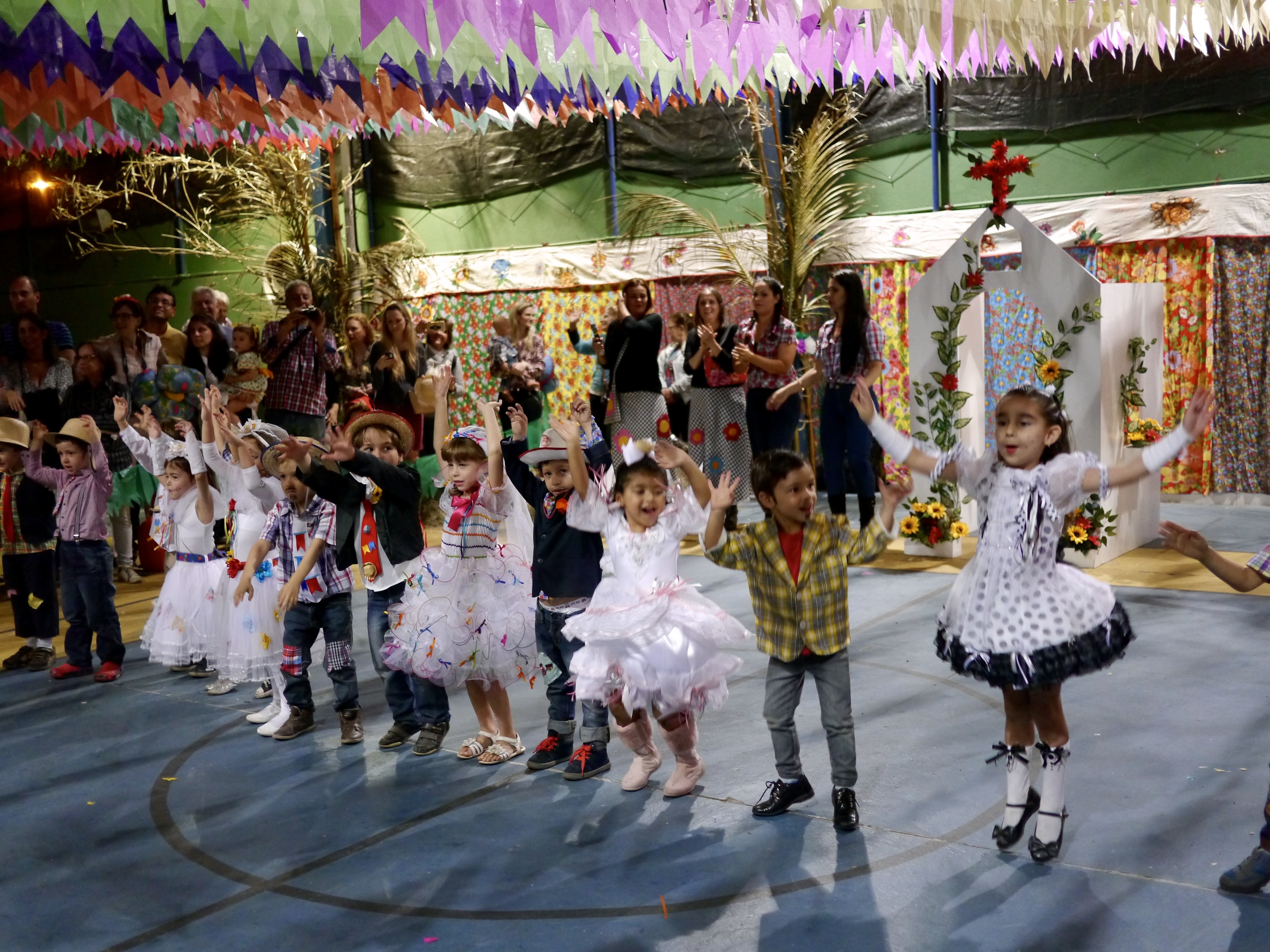
    P1010854There are fireworks, dancing, carnival games, straw hats and painted freckles (girls) or a painted moustache (boys), and usually at least one mock wedding. I haven’t read exactly how the mock weddings became a staple of Festa Junina parties, but I have a theory. Saint Anthony is considered the patron saint of marriage because he helps single women get husbands so many offerings and prayers are sent to Saint Anthony on his day, June 13. In addition to June being a time when marriage is on the brain, bringing the corn harvest to market was one of the few times people in rural areas got to meet someone they weren’t related to. Oh, and how convenient to have your wedding at the same time as the already scheduled festival! You can save tons on catering! Thus Festa Junina became a day of many weddings.

    P1010804At my daughter’s school, it’s always Year 4 that stages a mass mock wedding, and this year it was finally her turn. That meant her Festa Junina costume was a wedding dress with a veil, and she LOVED it. It also meant extra time on stage because in addition to the mock wedding, all grade levels perform a quadrilha, a traditional dance done during Festa Junina but with preschoolers is really just a lot of jumping and arm waving.


    P1010829In my personal opinion, the best part about Festa Junina is the food, but I feel that way about all carnivals and festivals. Any event that has portable grills and homemade sweets being set up on folding tables arranged around ring toss and fishing games is something I’d be delighted to attend.

    P1010876

    EST_ (1701)

    Even the teachers dress up!
    Even the teachers dress up!
    P1010842
    When not performing mock weddings, Tio Rafa can be found coaching soccer.
    P1010813
    Is there a culture that doesn’t have fishing games at festivals?
    P1010860
    The grooms waiting for the brides to arrive

    P1010818

    One bride is always brought in riding in a wheelbarrow. I have no idea, but it's super cute.
    One bride is always brought in riding in a wheelbarrow. I have no idea why, but it’s super cute.

    Save

    Save

    Save

    Save