Tag: Kids in Brazil

  • Brynn Is Not In Brazil

    Brynn Is Not In Brazil

    Hi. So…it’s been a minute. I’d ask how you’ve been the last few years, but I don’t think I could take an honest answer. You’ve either been like me. You’re barely keeping it together and looking in the mirror has been like watching a time elapsed video covering a few decades. Or you’ve managed to thrive and find yourself in adversity in which case, I assume you own a supply chain software company and I don’t want to hear that shit either

    But it’s January 2022 and I’m ready to confidently say I feel like myself again, albeit with thinner hair and a thicker waist.

    What have I been up to? Not writing blog posts obviously. You’d think a writer would process events through writing but whenever I did sit down to write, it felt like someone had taken a shotgun to my attention span. I got fragments of ideas, slivers of thoughts. Piecing together anything sensible, let alone enjoyable, was painful and tedious.

    I’ve over the last 18 months most of my energy has gone to building a life from scratch in Atlanta.

    Mercedes Benz Stadium in the ATL. Home to the Falcons, Atlanta United, & mass vaccinations.

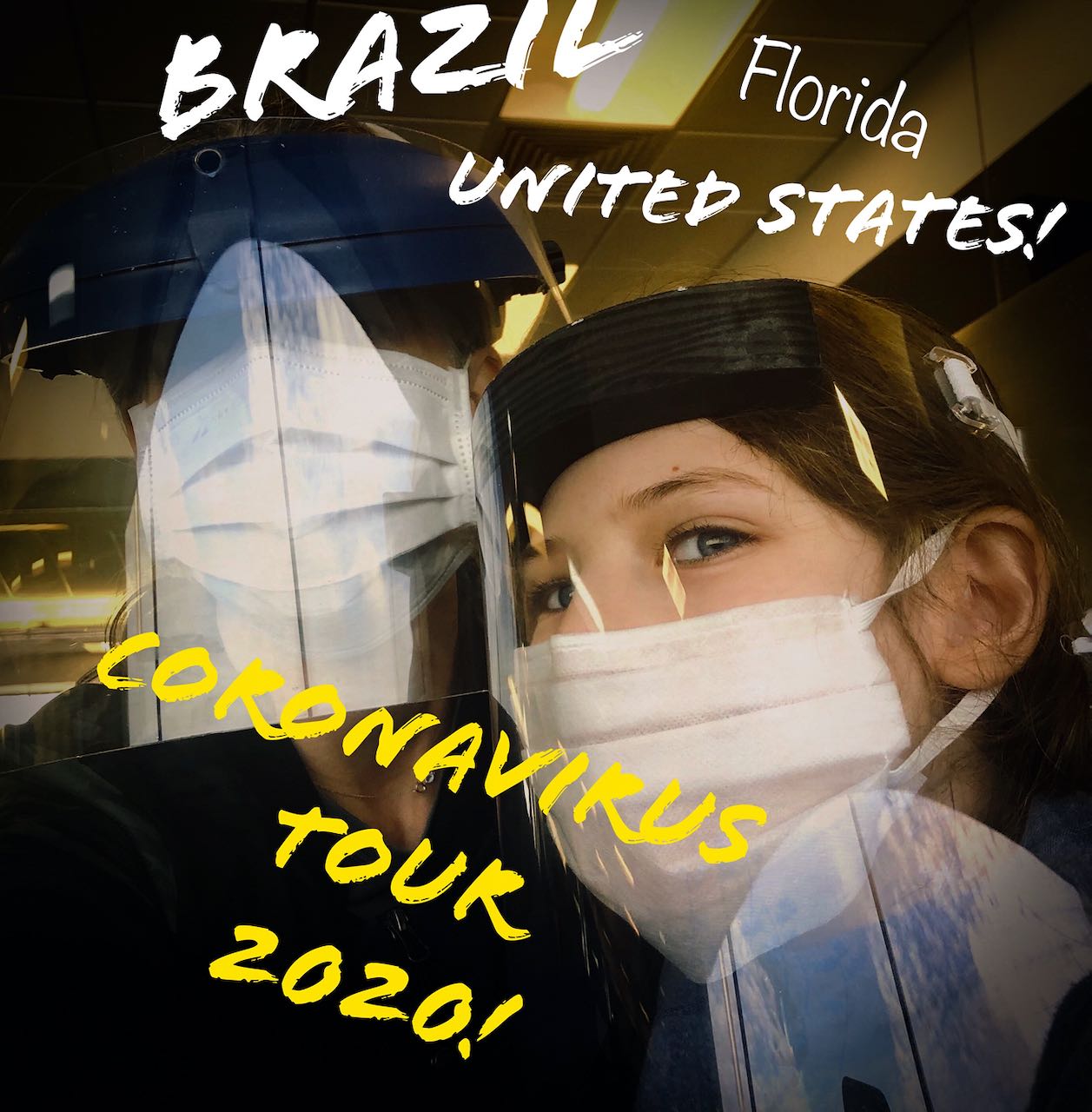
    That’s right. Brynn is officially NOT in Brazil! We moved to my hometown of Atlanta in June 2020. Yup. 2020. A transcontinental move with a child in the midst of a global pandemic. And my husband stayed behind in Brazil because job and money. As risky life changing decisions go, we were open to international flights and furniture shopping during a pandemic but drew the line at no one in the house earning an income. We saved that for 2021.

    I’ll write a whole series of posts on moving from Brazil to the US soon. Getting my daughter registered for school was an odyssey in itself. The Dekalb school system is not set up for an English-speaking, foreign born American citizen with a social security number but only Brazilian school transcripts. The automated messages never tell you what number to push for that.

    Moving back to the United States isn’t the only thing that’s happened. We adopted two dogs from a local rescue. I reconnected with friends I hadn’t seen since high school. I started a book club with two of them and joined a writing with another. That group helped me finish a fourth draft of a historical fiction that I started writing for Nanowrimo 2018 and will finally go on submission to editors this year.

    And I sold my first book!!!!!! (Maybe I should have led with that?)

    After years querying and being on submission, I signed with a small idependent publisher, Orange Blossom Publishing to release my historical fiction, Jaguars and Other Game. It will be my debut novel, launching on November 22, 2022. Just in time for my 40th birthday.

    I have high expectations for 2022. I say that despite having been conscious for the last two years. My husband has joined us full time in Atlanta for the next year. We’re together, vaccinated, and I’m going to launch my debut novel.

    There’s a lot happening. A lot has happened. I’ll write about everything. Keep checking in for updates on the publishing process and fun announcements like the cover reveal and pre-order campaigns. I’m so excited to share this process with y’all.

  • Review of Felpo Filva by Eva Furnari

    Review of Felpo Filva by Eva Furnari

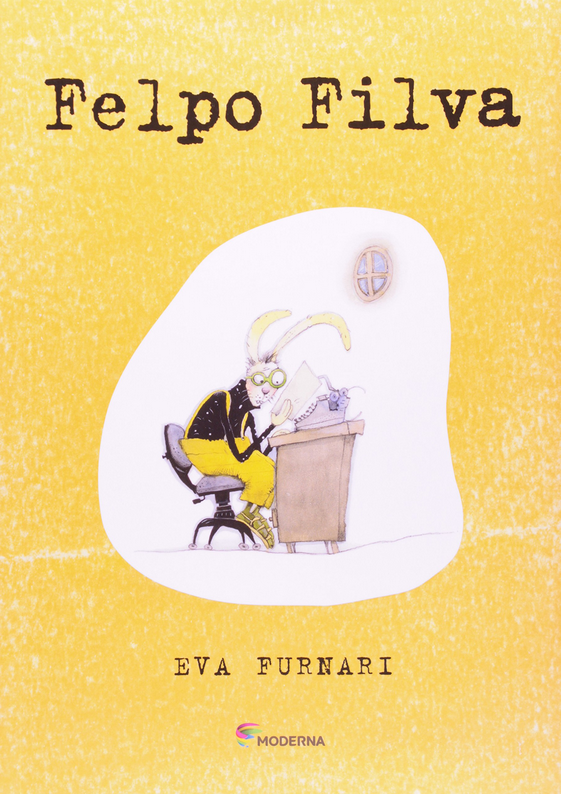
    My second recommendation for this year’s Multicultural Kid Blogs Read Around the World Series is a charming and quirky picture book for kids ages 5 to 9: Felpo Filva by Eva Furnari.

    If you believe children Need Diverse Books #WNDB, then check out the series homepage at Multicultural Kid Blogs for recommendations ranging from picture book to YA! Or check out the Read Around the World Pinterest page with all the recs from the past five years.

  • Projeto Tamar: Saving Sea Turtles along Brazil’s Coast

    Projeto Tamar: Saving Sea Turtles along Brazil’s Coast

    Hello, adorable baby sea turtle!

    Today is world turtle day! Hooray for the turtles!

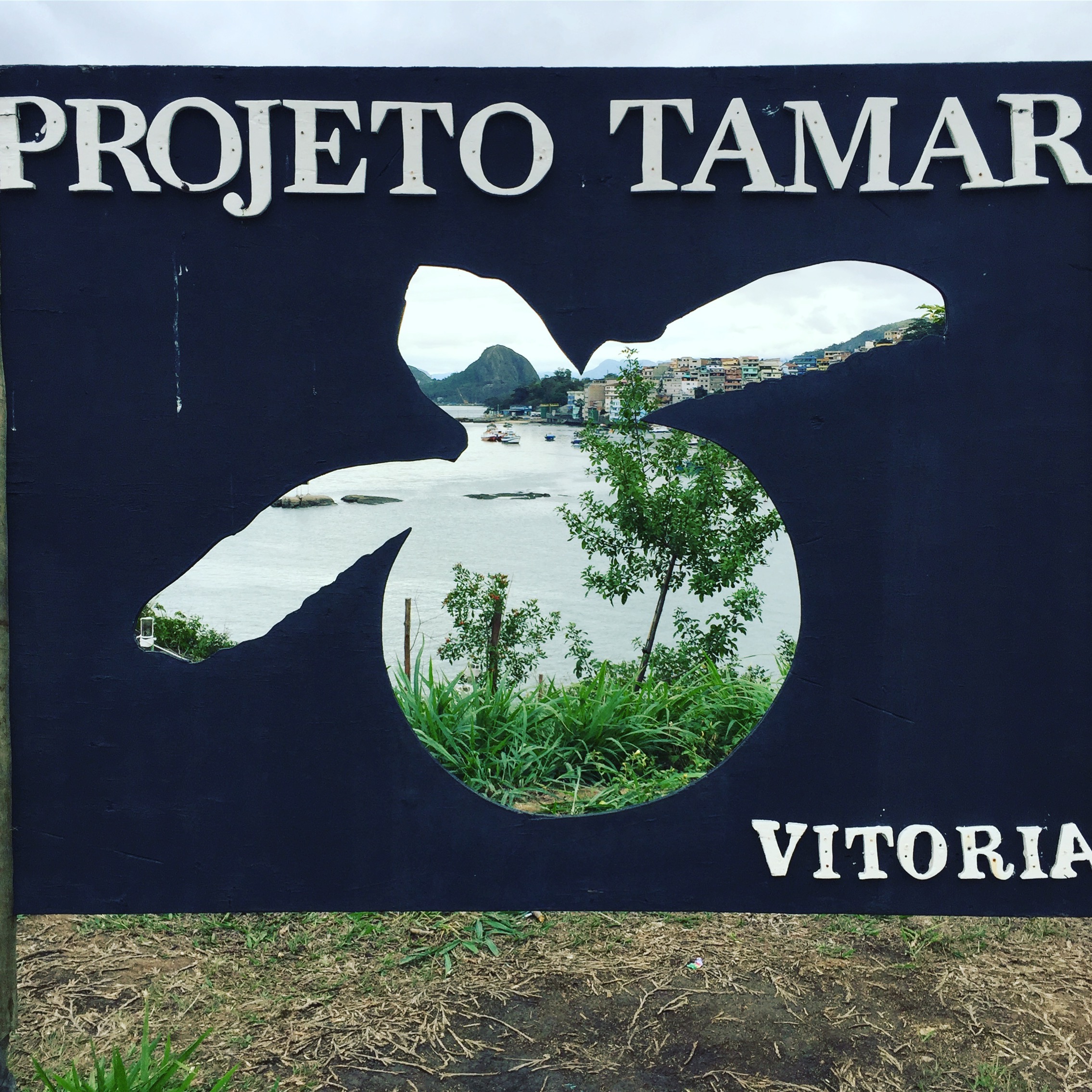
    In honor of turtles everywhere, I wanted to give a shout out to one of my favorite places to spend an afternoon in Vitoria: Projeto Tamar.


    Projeto Tamar is an NGO working throughout Brazil to study, protect, and rescue sea turtles. The name comes from the Portuguese for sea turtle, tartaruga marinha. Five species of sea turtle nest along Brazil’s coast, and one of Projeto Tamar’s initiatives it to observe and protect their nests. To date, Projeto Tamar has protected more than 25,000,000 baby turtles from egg to ocean. The organization also works with local fishermen to develop alternative methods that reduce the risk of sea turtle death from nets and has facilities up and down Brazil that work to educate the public about sea turtles and their major threats.


    They’re so close! Just a little pet…

    One unique skill I’ve developed since moving to Vitoria is sea turtle spotting. I can spot the shiny head of a turtle popping up for a breath in my peripheral vision at high noon without sunglasses. It’s one of the unintended consequences of my expat life. I’ve also become quite the amateur expert on sea turtles thanks to our regular visits to our local Projeto Tamar site. We take my daughter, but I’m the one hovering a little too close to the babies the staff always keep their eyes on. They look just like leaves bobbing in the water. A little touch wouldn’t hurt. I’d only use one finger. I’d be sooooo gentle.

    In honor of turtles everywhere and to show off my sea turtle trivia, here are five facts I’ve learned thanks to Projeto Tamar.

    Fact 1 The sea turtle species that nest along Brazil’s coast are olive ridely, green, hawksbill, loggerhead, and leatherback. The turtles I regularly see in the bay are young green turtles.

    This poor olive ridely was hit by a boat. It was rescued by Projeto Tamar and now gets physical therapy for its front flipper every Monday.

    Fact 2 Over the course of a year, the leatherbacks which nest here will migrate between Brazil and Africa. That is some impressive swimming.

    Fact 3 Most sea turtles lay between 100 – 200 eggs per nest.

    Fact 4 Experts estimate only about 1 in a thousand babies reaches adulthood in natural condition. 1 in a 1,000! Why so few? Well…

    Fact 5 Sea turtles don’t reach maturity until 10-50 years old depending on the species. That’s a long time to try and avoid all the fishermen, boats, and plastic bags masquerading as jellyfish. Odds are against surviving all those threats for five decades. It’s why killing the moms as they’re laying eggs and then harvesting the eggs is so devastating for the species.

    Fortunately in Brazil, Projeto Tamar has worked with local communities to dramatically reduce the hunting of turtles while they lay their eggs. In fact, Projeto Tamar has been working for 37 years, just long enough that they’ve recorded an 87% increase in babies hatched over the last five years compared to the previous five. The first few groups of turtles hatched under the protection of the project are finally old enough to come back and lay eggs of their own.

    And what adorable babies hatch out of the eggs! Someday, I will convince a volunteer to let me hold. Surely out of over 25,000,000, there’s one baby turtle who doesn’t mind being held by a doting human aunt perfectly willing to handle chopped up pieces of fish and squid for feedings. Just for a few seconds?


    Save

    Save

  • O Gênio do Crime: A Brazilian Middle Grade Classic

    O Gênio do Crime: A Brazilian Middle Grade Classic

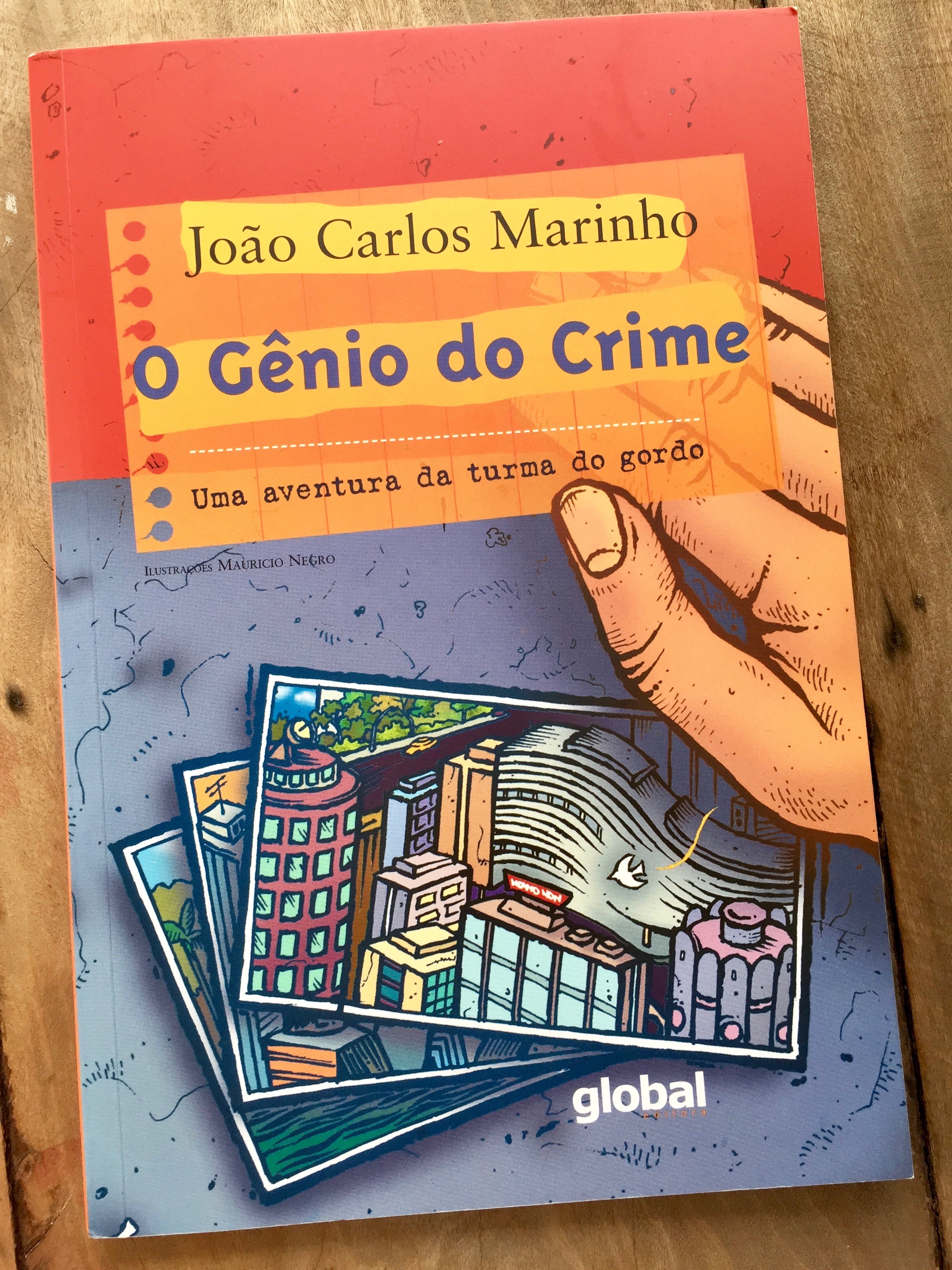
    I recently asked my husband what his favorite books were as a kid and without hesitation he said “O Gênio do Crime.” He couldn’t remember the author’s name, but he remembered in detail an ingenious system the kid detectives invented to tail a very tricky criminal. My husband remembered this book instantly after forty years, and it wasn’t about ancient Rome.

    I had to read it.

    Writing a story that stays with a child for the rest of their lives, that’s the dream for children’s authors. João Carlos Marinho solidified his place among Brazil’s greatest children’s writers with the 1969 publication of O Gênio do Crime. It became an instant bestseller and is currently #49 on Amazon Brazil’s fiction list.

    Before I go on, I regret to say that I can’t find an English or Spanish translation. A fluent Spanish speaker would have no problem reading the Portuguese text, but as far I can discover, there’s no way for a non-Portuguese speaker to read the 49th most popular book in Brazil. Which is a shame.

    The kids of São Paulo are on the verge of an uprising when the company manufacturing soccer trading cards stops awarding prizes for collecting because of counterfeit cards being mass produced in the city. (It’s possibly the most Brazilian crime ever.) The police have yet to find this “gênio do crime” (genius of crime), but Edmundo, Pituca, and Bolachão are determined to succeed where the police have failed and ensure the kids of Sao Paulo can continue collecting cards and prizes.

    It’s a thrilling adventure for three friends that takes them on chases and stake outs and even undercover as they try to discover the location of the illegal factory. The method the kids invent to follow one of street sellers, which my husband remember forty years later, is brilliant and how fun is it to read about kids outsmarting the grown-up criminals.

    But I don’t know if I want my daughter to read it for one simple reason, epic fat shaming.

    I know ever book is a product of the time and place it was written. I know that a group of ten-year old boys communicate and express friendship differently than a group of ten year old girls. I still cringed repeatedly throughout the book.

    Bolachão is overweight, and his friends never let him forget it. The tease him relentlessly even after Bolachão asks them to stop. He’s repeatedly referred to by the omniscient narrator as “o gordo”, which I’d translate as fatty. The character is defined primarily by his size and then by his intelligence, because Bolachão is the genius of the group and the one who solves the mystery. But the reader doesn’t know how smart he’s until about six chapters into the book. Whereas his weight is made clear from the first sentence.

    I talked to my husband about it. As I did not grow up a boy in Brazil, I was curious how close the the friend’s banter was to reality. Very close is what he told. Pretty mild actually. There’s a saying in Rio, “The only people never booed in Maracanã (the soccer stadium) are the Pope and Frank Sintra.” Meaning those “super friendly” Brazilians the world hears about can be harsh. According to my husband, boys and men tease mercilessly. It doesn’t matter who you are, as nobody is perfect, your friends will find that not perfect thing about you and never let you forget it, but you’re expected to give it back to them. If you don’t tease or get teased, then you aren’t among personal friends.

    Ok. I get that. However, Bolachão is harassed to a much greater extent the either of the other boys. Even the adults refer to him as “Fatty”. It’s pretty clear that for the characters being overweight is a far more serious offense the any other flaw. And haven’t we learned more about the psychology of kids and come to understand behavior that was commonplace even twenty years ago is in fact really damaging and standards for behavior should be changed?

    Does that mean we never read books written in different eras or cultures because they might offend us? Do I deny a father-daughter bonding moment by forbidding my husband to share one of his favorite childhood books with her? When everyone else her age has read it because it’s the 49th most popular in Brazil, do I tell her no?

    So the simple review I wanted to write about a famous Brazilian kid’s book has turned into a complex analysis of how to judge a book written in a different time and culture when it is very problematic by my personal standards.

    The one thing I’m sure about is that I would NOT give this book to a child struggling with body image. Nope. Not under any circumstances. The fat shaming in this book is intense, and while it’s a fun story, I wouldn’t consider it required reading.

    As for our home, and this could change because I’m still in the midst of an active internal debate, I’ll apply the same policy for reading Huck Finn. When she’s old enough, I’ll read it with her and we’ll talk about it. I think it’s important for kids to know how people acted in the past and compare it to today, but this requires an adult to lead the discussion.

    What do you think? Have you read O Gênio do Crime? How do you feel about popular older books that are problematic by today’s standards? Like I said, it’s something I’m thinking about and would love to hear other opinions.

  • 5 Amazing Brazilian Children’s Authors

    5 Amazing Brazilian Children’s Authors

    When I first began shopping for children’s books in Brazil, I had a hard time finding books by Brazilians. It was crazy. I was in Saraiva, one of the major chain bookstores in Brazil, and I noticed the books I’d picked were all translations from American authors. So I began hunting for books by Brazilians. I picked up one book after another. Published in France. Published in the UK. Published in Italy. I picked up one with a Macaw on the front. Macaws are from the Amazon. It had to be Brazilian. Nope. Published in Columbia.

    There are of course many amazing Brazilian authors writing for children, but despite amazing native authors and children’s lit community, I had to research and order books by Brazilians. My local chain bookstore in Vitoria was no help, which is just wrong.

    So I’d like to introduce five of my favorite Brazilian children’s book authors. I’ve included links for English translations when available. Based on what Spanish speaking friends have told me, a native Spanish speaker should have no trouble reading the Portuguese, but I’d love to get more Brazilian kid lit translated into English. I’ll add it to the list of life goals.

    ANA MARIA MACHADO

    Machado was born in Rio de Janeiro in 1941 and has written over 100 books for children. In 2000, Machado won the international Hans Cristian Andersen Award, which designated her one of the greatest children’s authors in the world. She began writing in 1969 and wrote specifically for children because during the military dictatorship in Brazil, children’s literature along with poetry and song, “were amongst the few literary forms with which, through the poetic and symbolic use of language, you could make the ideas of a joie de vivre, individual freedom and respect for human rights known.” Some of her most famous books include A Menina Bonita do Laço de Fita, about a white bunny who desperately wants to become a beautiful black like the little girl next door and the advice she gives him, and Bisa Bia, Bisa Bel, about a girl’s internal dialogue with her great-grandfather and her own great-granddaughter. A Menina Bonita do Laço de Fita is available in English on Amazon.


    CECILIA MEIRELES

    Born in Rio de Janeiro in 1901, Meirelles published her first work at the age of 18, and she was every bit the genius you’d assume based on that fact. She’s known in Brazil primarily as a poet, but she was also a professor, journalist, painter, playwright, and fiction author. There aren’t many types of writing she didn’t publish in. She could do it all. Meirelles was one of the first women in Brazil to be recognized as a great literary voice. Some of her most famous works for children are   “O Cavalinho Branco”, “Sonhos de Menina”, and “O Menino Azul”. The musicality of her lines is so strong, that “O Menino Azul” still sounded lovely when I read it aloud. (And as all adult learners of a second language know, nothing is harder to read aloud in a foreign language than poetry.) I haven’t been able to find any of her children’s works translated into English, but you can find many of her most famous poems translated in this anthology of Brazilian poets.


    EVA FURNARI

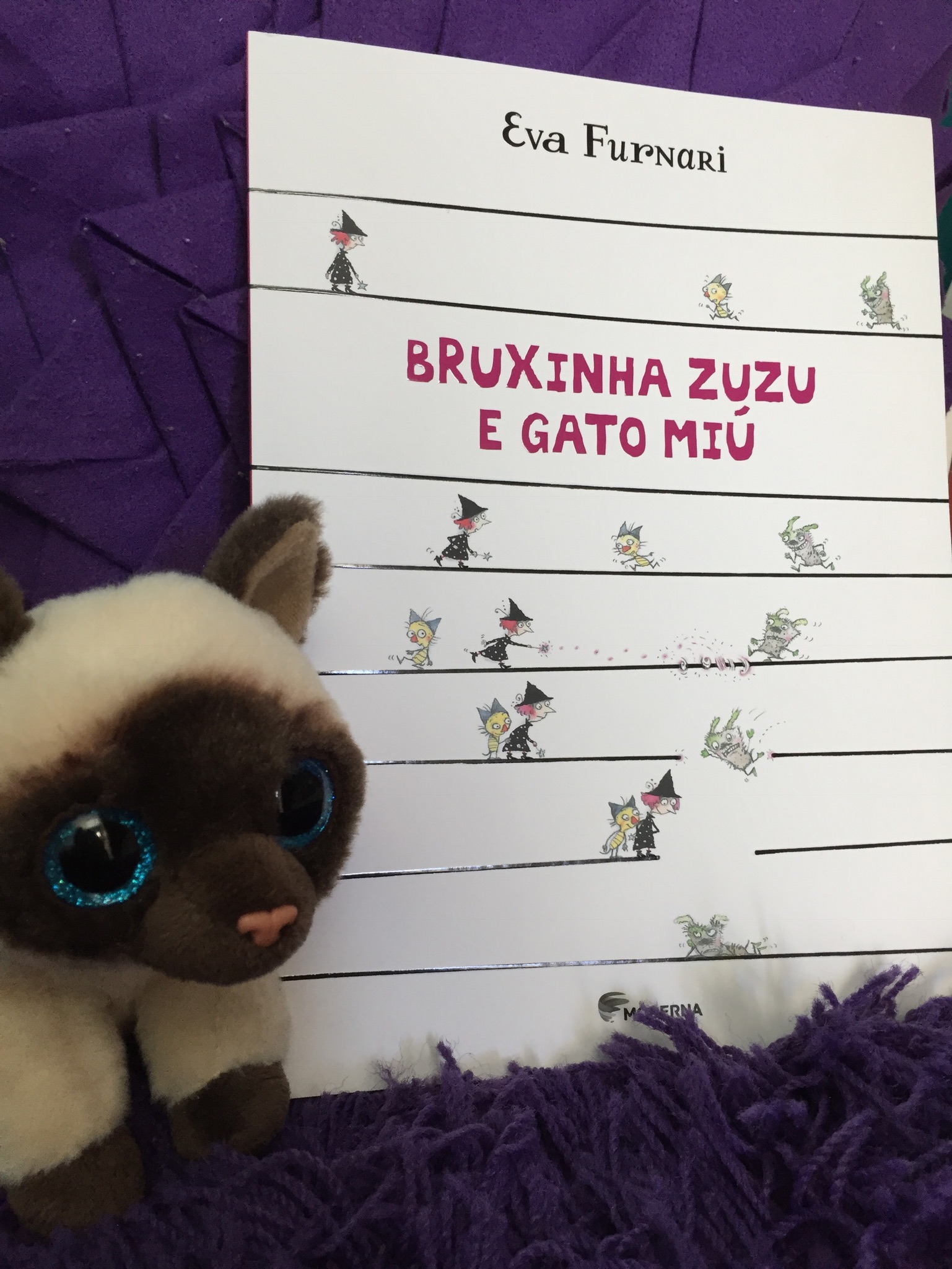
    Furnari is an Italian-Brazilian author-illustrator. I’ve been able to forgive her for hoarding so much talent (author-illustrators seem so unfairly awesome) because her characters are so delightfully quirky. Born in Rome in 1948, she moved to São Paulo at the age of two and has lived there ever since. She came to children’s books in the early 1980’s through art and initially worked exclusively an illustrator before creating her own characters and stories. One of her most famous characters is A Bruxinha Zuzu or Zuzu the Little Witch, who never quite seems to master the power of her magic wand.  Many of Funari’s books are textless, including our favorite A Bruxinha Zuzu e o Gato Miú, and can be enjoyed regardless of what languages you read. One of her most famous and award winning stories, Felpo Filva,  is available in English as Fuzz McFlops in both the US and UK.


    SONIA JUNQUEIRA

    Born in the state of Minas Gerais in 1945, Junqueira published her first book at the age of 37 and has gone on to write more than 100 children’s books. She worked as a professor and editor before becoming an author. My daughter and I discovered Junqueira through a book swap at school. My daughter, always the animal lover, picked up a book with a cute cat on the front porch. I was the first story in verse that was more poetry than story and I honestly wasn’t sure how well she’d like it. A Poesia na Varanda was a hit and inspired me to buy Where the Sidewalk Ends during our Christmas trip to the US. I haven’t found any English translations but many of her world are available outside Brazil in Portuguese through Kindle.


    VERONICA STIGGER

    Stigger is not really known as a children’s author. She’s a journalist, art critic, and writer primarily for adults known for challenging rules of genre and format in her work. Born in the state of Porto Alegre in 1973, Stigger began working as an essayist for radio and television. She then pursued a PhD in Art theory and Criticism and pursued research and various post-doctoral work before publishing her first collection of stories for adults in 2004. So not a career kid lit writer. However, one of her most recent books, Onde a Onça Bebe Água, Where the Jaguar Drinks Water, is one of the best books I’ve read for teaching empathy and seeing the world through a another’s eyes. In the story, Jaci is forced to consider the world from the perspective of the Jaguar he’s ends up dining with. Unfortunately, there isn’t an English translation of it or any of her books that I can find but several of her adults works do have Spanish versions available on Amazon.

  • Dengue, Zika, Chikungunya, & Yellow Fever

    Dengue, Zika, Chikungunya, & Yellow Fever

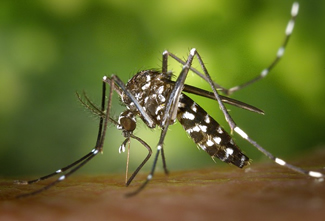
    This is public enemy #1!
    Aedes aegypti. Know it and squish it!

    There are over 3,000 species of mosquitoes. A fact I think proves there’s no benevolent deity.

    This post is a run down of the basic info on the common mosquito born diseases in Brazil: dengue, zika, chikungunya, and yellow fever. It’s essential information if you’re visiting.

    Because the mosquitoes are winning.

    Last year in the wake of zika and the microcephaly epidemic in Brazil, the federal government mobilized troops to patrol for standing water basically declaring war against mosquitoes. The yellow fever outbreak this year is evidence of how well that went in the long term.

    So here’s everything you didn’t want to need to know about mosquito born illnesses in Brazil.

    DENGUE: Let’s start with dengue because it kills the most people every year. I know zika is the Kim Kardashian of the bunch, hogging all the media attention, but dengue is most likely to put you in the hospital. There were roughly 1.5 million registered cases of dengue in Brazil last year and of those 629 died. The severity depends on which of the four strains of the virus you get. The worst causes hemorrhaging, but most people just get incapacitating joint pain and high fever.

    Dengue is usually transmitted through the bite of an infected mosquito, but it can be passed from mother to fetus. The disease is asymptomatic in 40-80% of cases. The incubation ranges from 3 to 14 days.

    Symptoms

    • Sudden high fever
    • Severe headache
    • Severe joint pain
    • Moderate joint pain
    • Severe pain behind the eyes (basically your body will hurt a lot)
    • A skin rash that appears post fever
    • Fatigue
    • Nausea
    • Itching

    The Severe Case Symptoms (everything above plus…)

    • Bleeding from the nose and gums
    • Abdominal pain
    • Vomiting
    • Hypotension
    • Dizziness
    • Breathing difficulty

    In rare cases, sometimes after a second infection, a person can develop dengue hemorrhagic fever which leads to shock and death in 24 hours. Yeah, dengue totally sucks.

    There’s no vaccine. There’s no drug treatment. The only thing to do with dengue is treat the symptoms and be sure not use any aspirin because it increases the risk of hemorrhaging.

    Yeah, they’re all cute and cuddly until one drops dead of yellow fever.

    ZIKA: If you’ve been to Brazil in the last year and sneezed, you might have had zika. Or maybe you didn’t sneeze. You still might have had zika. Most cases are asymptomatic, about 80%.

    Of the most common mosquito borne diseases, zika results in the fewest hospital cases. In 2016 there were 214,193 cases of Zika in Brazil and 3 deaths. The global panic over zika is because of it’s link to microcephaly, a condition that babies develop in utero which prevents the brain and skull from developing normally.

    And let’s be clear. There IS scientific consensus that the zika virus is one of the causes of microcephaly. I believe in the CDC, WHO, and peer reviewed scientific journals. Conspiracy theorists can save themselves time and not bother commenting about genetically altered mosquitos. I will just delete them.

    The fact the disease is asymptomatic in the majority of cases makes it particularly scary for women who are or may become pregnant. It’s possible to have zika and never know until the baby develops complications. Even if you develop symptoms, they’re usually mild.

    Symptoms

    • low grade fever
    • headache
    • skin rash starting on the face and spreading over the body
    • red eyes
    • itching
    • fatigue
    • sore joints

    Less Common Symptoms

    • Muscle pain
    • Swelling
    • Sore throat
    • Vomiting or diarrhea
    • Swelling

    So now pregnant women all over Brazil can worry that their swollen legs and exhaustion is actually zika. Because there wasn’t enough for expectant parents to worry about. Fucking mosquitos.

    There’s no vaccine.

    CHIKUNGUNYA: Unlike zika and dengue, if you get chikungunya, you’ll know. 70% of cases develop symptoms. At least you don’t have to wonder whether or not you need a doctor.

    Last year there were 265,554 cases of chikungunya resulting in 159 deaths, so worse than zika but not as prevalent as dengue.

    Symptoms

    • Sudden onset of high fever
    • Severe joint pain mostly in feet, ankles, hands, wrists

    About the joint pain, almost every case has it and in rare cases it becomes chronic.

    Less Common Symptoms

    • Intense back pain
    • Headache
    • Muscle pain
    • Vomiting
    • Conjunctivitis
    • Fatigue
    • Photophobia
    • Sore throat

    Basically everything hurts like hell.

    Like the others, there’s no vaccine for chikungunya and no treatment beyond treating the symptoms.

    CDC’s risk area for yellow fever in South America

    YELLOW FEVER: The CDC’s website has a map of areas where yellow fever vaccines are recommended. The risk area for Brazil extends just up to the border of our state. So far this year 31 people have died from yellow fever in Esparto Santo. Dear CDC, you need to update your map.

    Yellow fever is typically passed via an infected monkey to mosquito to human, so areas without dense forests were considered safe. The incubation period is 3 to 6 days but most cases are asymptomatic.

    Symptoms

    • Sudden high fever
    • Severe headache
    • Back pain
    • Muscle pain
    • Nausea & vomiting
    • Fatigue
    • Weakness

    After a brief remission, 15% of cases will develop a severe form of the disease.

    Symptoms of Severe Form

    • High fever
    • Jaundice (hence the name)
    • Bleeding
    • Shock
    • Organ Failure

    Of cases that turn severe 20-50% die.

    We got our yellow fever vaccines!

    But good news! There’s a vaccine! Two doses taken ten years apart provide lifetime immunity. Yay science! If you’re thinking about visiting Brazil this year, double check to see if your hotel is located within one of the new expanded risk area. Be sure to use a Brazilian site. Remember, the CDC’s map is out of date.

    Vaccines are being developed for the other three. Several companies will have zika vaccines ready for clinical trials by the end of the year. Late stage clinical trials of dengue vaccines are already underway, and researchers have reported success with initial clinical trials for chikungunya vaccines. Unfortunately, we’re still years away from these vaccines being available to the public.

    In the meantime, don’t cancel your vacation. Just be prepared. Get a yellow fever vaccine. Pack repellent. Sleep with your windows closed and fan on. And for god’s sake, if you see a mosquito, kill it!

  • Getting Our Yellow Fever Vaccines

    Getting Our Yellow Fever Vaccines

    This is public enemy #1!
    Aedes aegypti. It carries dengue, zika, & chikungunya.

    Mosquito born viruses did not cross my mind when considering what my daily life would be like in Brazil, but it turns out that repellent is right up there with sunscreen as a daily necessity.

    I certainly never lost sleep over a mosquito in the U.S., but here in Brazil, more than once we’ve turned the lights on in the middle of the night at the whine of a mosquito. Some people might think mosquito hunting at 2am is overreacting, but my husband has had dengue. The steely-eyed commitment with which he stalks every mosquito in our home makes me think the experience has stayed with him.

    Public health officials in Brazil take mosquitoes seriously too. They’ve been battling dengue for decades. Chikungunya and Zika became common place in the last few years, and this year, Espirito Santo and its neighbor, Minas Gerais, are combating the spread of yellow fever. My family and I got our yellow fever vaccines last week, and it was an impressive operation.

    If you know the monkey might have yellow fever, is it still as cute?

    Vaccine distribution is one public service Brazil has mastered. At the end of February, the city government confirmed a monkey found dead in Vitoria in January had died from yellow fever. This one dead monkey kicked public health services into Defcon 5. The city closed 11 parks in the metro area. The federal government sent 1 million more doses of yellow fever vaccine to Espirito Santo. Public Health posts’ hours and days of operation were expanded. Churches have been converted to vaccination centers. Firefighters and nurses from public hospitals have been enlisted to distribute and administer the vaccines. This past Saturday 98,904 people were vaccinated in the metro area bringing the total vaccinated to over 800,000 in a little over two weeks.

    This is public health at it’s most efficient and most militarized. I know from personal experience. We were assigned a specific vaccination center and time when my husband reserved our vaccines online. When we got to the church, we had to present IDs for everyone, including my daughter, before we could enter the building where people waited in rows of white plastic chairs. We’d been assigned numbers at the entrance, and in what has to be one of the shortest waits in the history of line waiting in Brazil, a woman in a white lab coat, clipboard in hand, called our numbers, and we entered the heart of the operation.

    Along one wall was a row of nurses and firefighters taking down people’s names, ID numbers, and stamping vaccine cards. Firefighters are militarized in Brazil, and their khaki green uniforms with ranks sewn on their shirts made the whole scene feel like something out of Contagion. Along the adjacent wall, was another group readying vaccines before passing them in a ceaseless stream to the one woman who administered vaccines. Needle in. Needle out. Hands off the old needle. Accepts freshly opened vaccine. Needle in. Needle out.

    It wasn’t frantic, but it was efficient. People were moved around the room and back out the door with a lack of pleasantries I have never witnessed in Brazil.

    We survived!

    My daughter did not like it. She’d been totally chill about it until we got inside the vaccination room. The tension and focus that permeated the air had her clinging to her dad and begging to go. And these people were not waiting for her to calm down. I don’t blame them. They’re trying to vaccinate a few million people. My husband and I went first, trying to teach by example. It had no effect. She just got more hysterical with every second, so my husband held her in his arms. I held her arm straight, and the vaccine lady jabbed the needle in.

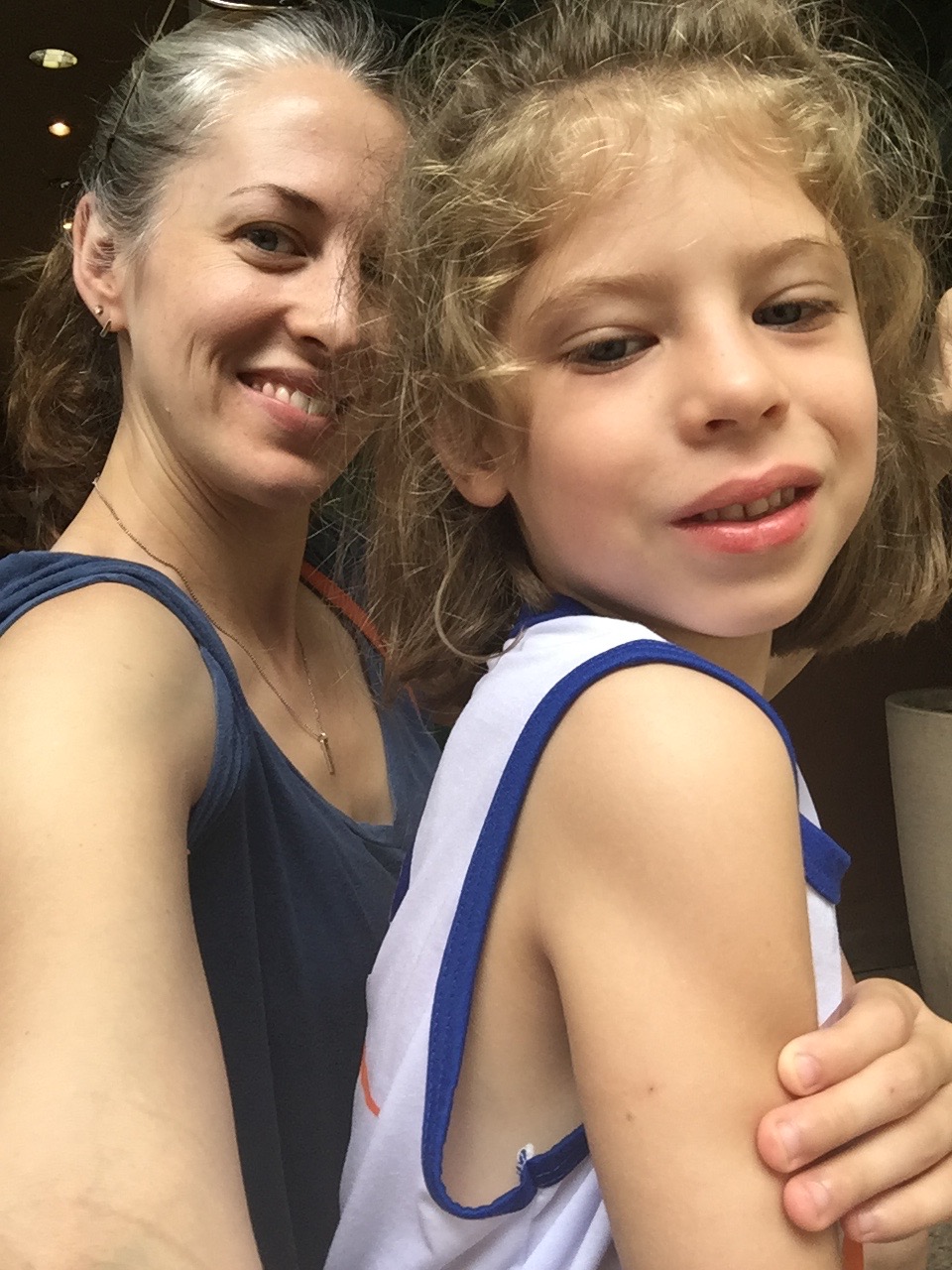
    For the rest of the day, my daughter showed off the tiny, nearly invisible red dot left behind like the scars of a near-death shark attack.

    As of Friday, there were 20 confirmed yellow fever deaths in our state. That’s 20 deaths out of 80 confirmed cases. The math is simple. That’s a 25% fatality rate. In neighboring Minas Gerais, there have been 109 deaths out 288 confirmed cases. I’m getting my calculator…37.8%. Wow, I hadn’t realized until writing this how bad this outbreak is.

    So if you’re planning on visiting Brazil anytime soon, I’d check if you’re ecolodge is smack in the middle of a high risk zone, and then I’d pack lots and lots of repellent regardless.

  • Knocked Up Abroad Again is Now Available!

    Knocked Up Abroad Again is Now Available!

    creativity-is-intelligence-having-fun-2I’m thrilled to announce that after a successful Kickstarter campaign Knocked Up Abroad Again is available for purchase on Amazon!

    Hip, hip, hooray! Hip, hip…Dear god, I’m never doing another Kickstarter campaign again. I wasn’t even in charge of the thing. Our editor put in a billion more hours organizing and promoting the thing, but I still felt like a used car salesman begging people to donate their hard earned money and time on my words. Who am I kidding? How am I ever going to promote and sell my own books if I can’t promote a collaborative work on Kickstarter on my Facebook? Even if I get published I’m never going to sell a single book. Never! My promotional posts will read “If you don’t mind and happen to enjoy this particular type of book and maybe have ten extra dollars to spare I would greatly appreciate it if you wouldn’t mind buying my book and if you really, really liked it then perhaps tell a friend about it. If you have the time and it won’t be a huge inconvenience. That would be really great. Thanks so much. (And if you’re not into YA or not a huge reader I totally understand. No hard feelings.)” I’m never going to sell a single book. But how can I be an author if can’t ask people to buy my book? Aaaaaagh!

    Sorry about that. I got off track. What was I saying? Oh right, Knocked Up Abroad Again has been successfully funded and is now available for purchase on Amazon! It’s the perfect gift for expectant parents, travelers, and expectant travelers in your life. If you want. I don’t want to insist. Pretty please. But only if you like this sort of thing.

    In all seriousness, thank you to everyone who donated to the project, and I hope you enjoy the book!

    Save

    Save

    Save

  • Our Walk to School

    Our Walk to School

    IMG_1405Our Walk to School   A one act play inspired by true events with a 5-year-old.

    Mom: (Shouted from front door) Ok, time to go. Do you have your shoes on, yet?

    Kiddo: (Shouted from bedroom) Not yet. I need to finish something.

    Mom: (Shouted as pleasantly as possible to avoid a last minute fight but forceful enough to convey annoyance at shoes still being on.) No, you don’t. I’ve already asked you several times to put your shoes on. Now, it’s time to go. We’re going to be late for swim class.

    Kiddo: (Shouted in complete indifference) I’m almost finished.

    Mom: (Marches into child’s bedroom.) What are you doing? Why are your shorts and undies around your ankles?

    Kiddo: I had to go pee pee.

    Mom: But why are your shorts still around your ankles?

    Kiddo: I’m trying to make the top spin.

    Mom: Why wouldn’t you pull up your pants first? And why are you playing with a top? Ok, stop. We need to go. Where are your shoes?

    Kiddo: (Leaving the top aside and picking up a book off the floor while still half naked.) I don’t know. Mommy, can we read The Book with No Pictures?

    Mom: No, not right now. We’re going to be late for swim class if we don’t leave right now! Please, pull your shorts up while I find your shoes.

    Mom leaves to find the shoes, one under the couch and one under the desk in the office. She returns to child’s room where Kiddo is now fully clothed but minus socks and looking at her calendar.

    Mom: What happened to your socks!

    Kiddo: I don’t like that pair. I want to wear my spider socks. Mommy, what day is Christmas?

    Mom: (Through gritted teeth.) A long time away but it won’t matter because if you’re late to swim class Santa won’t come. (Kiddo drops to floor and starts trying to put shoes on. Mom picks up and puts away unsatisfactory first pair of socks.)

    Kiddo: (Teary eyed and whimpering) It’s too tight! (Slams be-shoed foot on ground repeatedly.) Mommy, it’s too tight.

    Mom: (Exhales slowly) Because it’s on the wrong foot.

    Kiddo: Oh! (Giggles)

    Mom: Why are you only using one hand? You can’t put tennis shoes on with only one hand. We need to leave now!

    Kiddo: I pinched my finger in the drawer getting my spider socks and now it hurts. I can’t use it.

    Mom: (Muttering) For the love of… (Squats and puts child’s shoes on totally over trying to foster independence this morning) Ok, we’re ready! Yay! Let’s go. (Mom grabs school bag and purse and runs to door.)

    Kiddo: (Pulling on Mom’s shirt while she locks door)  Tell a story! Tell a story!

    Mom: I will when we get to the sidewalk, ok? Let’s start walking first.

    Kiddo: (Foot touches the sidewalk. Tugs Mom’s hand.) Ok, tell the story! Tell the story!

    Mom: (As they walk to school) Ok, where were we? So the Bowser kids decided they were going to play a trick on their Dad…

    Kiddo: Noooo. Not a Bowser kid story. I want a Mario story.

    P1000912Mom: Oh, ok. One day Mario was walking through the forest on his way to Princess Peach’s castle for tea when he heard a noise and Yoshi appeared.

    Kiddo: No, not Yoshi! It was a little Eevee. It was going “Eevee! Eevee!” (Jumps up and down and flails arms) Because it lost its family.

    Mom: So Mario heard a noise and saw a very strange creature by the river. Mario thought it looked like a Pokemon so he called his good friend Ash and asked “Do you know want this is?” Mario held up his phone so Ash could see Eevee and Ash said…

    Kiddo: (Yanking on Mom’s hand) That’s when Mario sees another Pokemon! A Squirtle!  It said “Squirtle! Squirtle!” and it was soooo adorable! And Mario took it to Princess Peach’s castle. And she thought it was so adorable. (Pause) C’mon Mommy! Tell the story! (Pulls on Mom’s arm)

    Mom: Mario thought Princess Peach could help the lost Pokemon get back to their world so he took them to Peach’s castle and…

    Kiddo: Then all the Pokemon appeared!!! There was a Charmeleon and a Bulbasaur and an Amaura, a Rhyhorn, a Leafeon! All the Pokemon!

    Mom: So when Mario got to Peach’s castle he was shocked to find it filled with Pokemon! There was a Lapras swimming in the fountain and Ponyta eating the roses in the garden. Inside the castle, there were Zubats and Pidgies and Fledglings flying around and pooping on everything!

    Kiddo: (Shrieks with laughter) They were pooping on the table, on the floor, on Luigi’s head.

    Mom: Oh, Luigi’s there?

    Kiddo: Yes, a Pidgey pooped right on his head!

    Mom: Luigi walked into the castle and felt a splat on top of his head. Fortunately, he was wearing a hat.

    Kiddo: But then he took it off and a Zubat pooped on his hair! (Hops up and down laughing and clapping her hands)

    Mom: Well, Princess Peach was very upset all these Pokemon were destroying her castle…

    Kiddo: So she called the Ghostbusters!

    Mom: The Ghostbusters? Why would she call the Ghostbusters?

    Kiddo: Because they catch Pokemon and ghosts.

    Mom: Ok…so Princess Peach calls the Ghostbusters. They bring their special…

    Kiddo: (Yanking on Mom’s hand) You have to sing the song!

    Mom: (Glances around to see how many people will get to enjoy this) Na,na,na,na,na,na. Na,na,na,na,na,na. There’s something strange in your neighborhood. Who ya gonna call?

    Mom & Kiddo: Ghostbusters!

    Mom: So the Ghostbusters show up at Peach’s castle and begin catching all the Pokemon. They had some trouble with Charizard though. It was perched on top of the tallest tower and refused to come down. Peach was very upset because it was going to be a major pain to replace the roof tiles on the highest tower. She asked the Ghostbusters…

    Kiddo: Then the little Eevee appeared and snuggled up to Princess Peach. And Princess Peach thought it was so adorable, she wanted to keep it forever. But the Eevee missed its family. So Peach decided to keep all the Eevees and Vaporeons and Leafeons and Sylveons. And then a cute, little Amaura appeared and licked Peach’s face and it was so cute. Peach decided to keep it and used her Harry Potter magic wand to create an ice cave in the yard for the Amaura to live in because it was too hot outside. Then Peach heard the Eevee crying “Eevee! Eevee!” because Team Rocket was trying to catch it!

    Long Pause. Kiddo looks up at Mom.

    Kiddo: C’mon Mommy! (Shakes Mom’s arm.) Tell the story!

    Mom: Why don’t you tell the story?

    Kiddo: Because I don’t know the story!

    Mom: But you do! You’ve been the one telling it for the last block and…

    Kiddo: I don’t KNOW the story! You have to tell it!

    Mom: (sighs) So Team Rocket captured Eevee in a net and was pulling it up to their hot air balloon.

    Kiddo: No, they were in a giant Meowth robot! That was electric proof so Pikachu couldn’t help Eevee escape.

    Mom: What Pikachu?

    Kiddo: Ash’s Pikachu.

    Mom: When did Ash and Pikachu show up?

    Kiddo: They came with the Ghostbusters.

    Mom: Oh, look! Here we are! And there’s your class headed to pool. Better hurry. Bye, love you! (Mom and Kiddo hug and kiss) Have a great day at school!

    Kiddo: And you can finish the story when we walk home! (Skips off, waving)

    Mom: (Sinks down onto a bench) Sure. Can’t wait.

    Lights fade to black.

    This play is based on every walk to school we’ve taken this past year. It is not an exaggeration. It is truth. And it is every single day.

    Save

    Save

    Save

    Save