 Alright, now that we’ve covered 10 ways to avoid trips to the police station and hospital in the last post, it’s time fill up all that vacation time with the second half of my list.


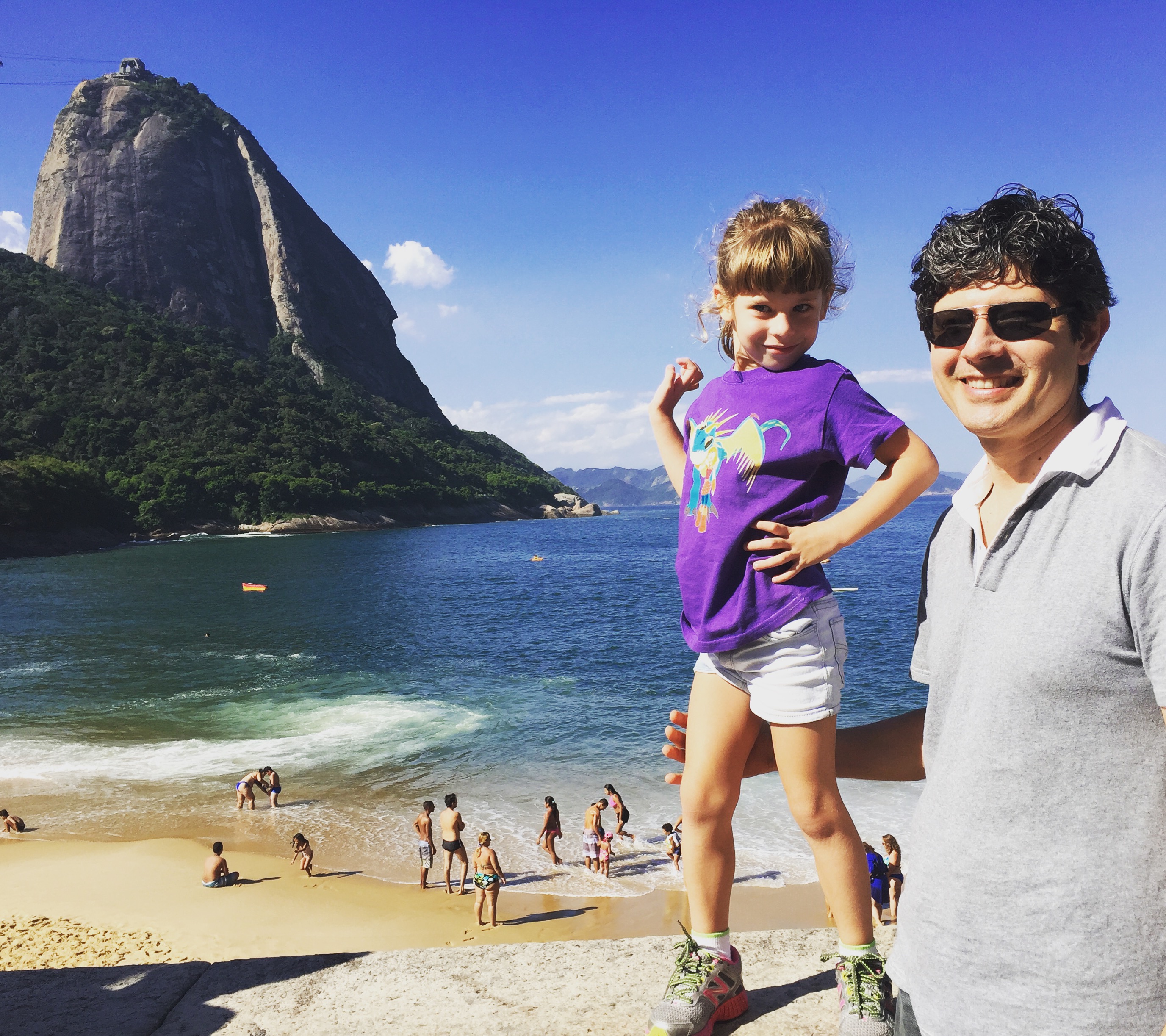
11. Sugar Loaf or Pão de Açucar in Portuguese but that ão sound is crazy hard to make, so I think visitors to Brazil can be forgiven for using Sugar Loaf. In my opinion if you have a choice between Christ the Redeemer on Corcovado or Sugar Loaf, pick Sugar Loaf. The most crowded day I’ve been on Sugar Loaf involved 50% fewer people than my most crowded trip up Corcovado. (And let’s assume any day sightseeing during the Olympics will be in contention for “most crowded”.) Both sites have amazing views of Rio, but Sugar Loaf and Morro da Urca (the smaller mountain next to Sugar Loaf) have more space to wander around the forest, including a trail that wraps around the bottom of Morro da Urca and offers a great chance of seeing micos (the little marmosets you might remember from the movie Rio), blue butterflies, and all kinds of birds and other local animals. Yay, micos! Then you stop and have lunch at Praia Vermelha (Red Beach). That is a great morning!

12. Arco do Teles You can go back to colonial Rio by walking around this street off of the square Praça XV. I recommend going for lunch and grabbing a prato feito, a daily set menu that usually includes a choice of meat, rice, beans, french fries, and salad. Then go back across the square to Arlequim, a fabulous music & book inside the Paço Imperial, the former Imperial Palace. The store is a great place to pick up books and music from Brazil and grab a coffee and dessert.
 13. Walk Along Copacabana Pretty self explanatory. The rules for beach going apply. Wear your shorts, tshirt and flip flops, bringing a little cash tucked away. Work out attire is fine too. The sidewalk will be full of people jogging and riding bikes. Grab a coconut to drink and stop and watch a game of footvolley. It’s volleyball played with your feet and it’s awesome.
14. Confeitaria Columbo Oh man, go to the downtown (Centro) location late in the afternoon after you’ve spent the day walking and feel you deserve a generous reward. Confeitaria Columbo is a gorgeous Belle epoque cafe and both the decor and dessert are amazing. They do offer meals and salty snacks, but you’ll regret that choice when you see the desserts being delivered to other tables. I recommend the rabanada, a Brazilian version of french toast, or anything else on the menu honestly.
 15. Juice Crawl A staple of Rio is restaurants and kiosks specializing in fruit juice. The variety of fruit available to be freshly squeezed is astonishing and I can promise, no matter how hard you try, you will not be able to try juice from every fruit on the menu. My cousin made the most valiant effort I’ve ever seen, and even after consuming 2.5 liters of liquid during a walk from Leblon to Ipanema, she’d not tasted a quarter of the fruits on the menus.
 16. Jardim Botanico A beautiful Botanical Garden that offers a welcome chance to slow down and enjoy the tropical flora and fauna of Rio, including Tucans and parrots. There are beautiful plants there too, but I’m more of animal person. I remember the snack area having some super friendly stray cats, which my husband was a lot less thrilled about.

17. Museu Histórico Nacional If you like history or would just like to know something about Brazil other than it’s affinity for soccer and barbecue, visit the National History Museum. They have guided audio tours in a variety languages. You can hear Dom Pedro’s famous speech when he refused to to return to the Court of Portugal and declared himself emperor of an independent Brazil or learn about Princess Isabel who finally ended slavery in Brazil in 1894.
 18. Churrasco If you eat beef, you need to do so while in Brazil. Find a churrasco. Just type “churrasco Rio de Janeiro” into Google. They’ll probably be one within two blocks of wherever you’re standing. Brazilian know how to cook meat and they cook every part of the cow. Go for lunch and then plan on laying down for the rest of the day.
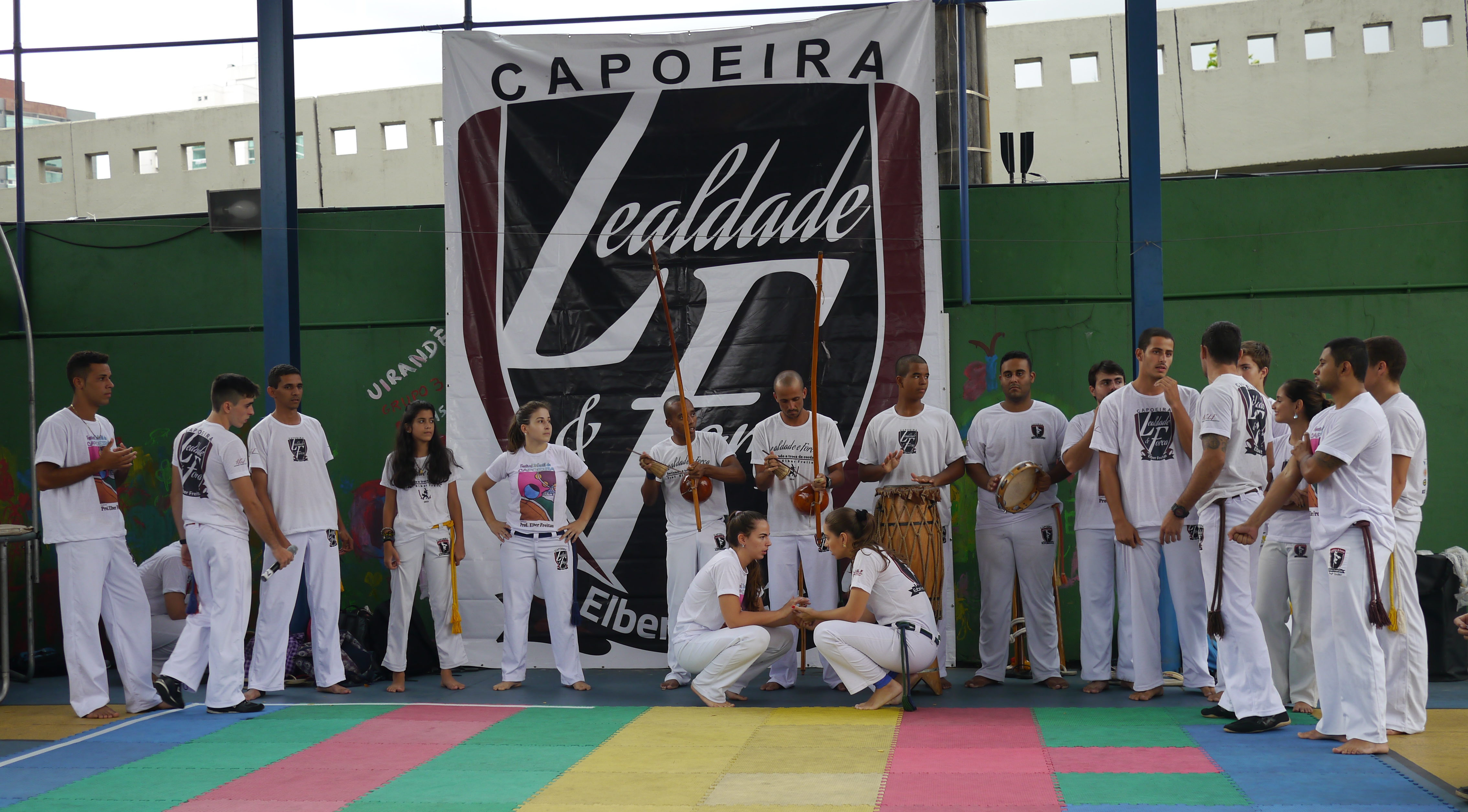
 19. Watch Some Capoeira I’m sure there will be groups playing capoeira in the parks and beaches during the Olympics. With the exception of açaí, I don’t think there is a more uniquely Brazilian export. Capoeira is a Brazilian martial practiced to music and dance. I wrote a post explaining the history and practice of capoeira. For now, I’ll just say if you see a circle of people wearing white, singing and clapping, while two people dance around each other in the middle, stop and watch for a few minutes.
 20. Beer, Snacks, and a Lovely View at Bar Urca This is a more personal recommendation. Back in our childless Rio days, my husband and I lived very close to the Urca neighborhood, which sits just on the inside of Guanarbara in the shadow of Sugar Loaf. The neighborhood is quiet with beautiful houses and a magnificent view of the bay and Rio. Bar Urca is just across the street from the water. Late afternoon you should go grab a beer or soda, a basket of pasteis, take them to the stone wall overlooking the water, and enjoy the view and company. You won’t regret it.
That’s it. I’m out of suggestions and advice. There are of course so many more things to do and ways to get into trouble than I’ve mentioned in my post. I don’t surf, so I can’t advise on best beaches for waves. I’m not a thrill seeker and have never had any desire to go hang gliding in Rio, and I’m not much of a live music in a bar person. The city of Bossa Nova is wasted on me. But Rio is known for all of these things. Rio has a lot to offer tourists than the beach and a stomach bug.
You can see from the pictures, we’ve had family of all ages visiting Rio and Brazil for years and our biggest emergency has been running out of toilet paper in the apartment. With a little planning and a few precautions, Rio de Janeiro can be an amazing experience. Just leave the passport in the room and bring the bug spray.

 We were walking the streets of Rio de Janeiro yesterday when my daughter piped up “Hey, it’s Festa Junina!” I shook my head and tolld her Festa Junina was last month. She insisted and pointed to a street vendor whose stall was decorated with primary colored flags and a stereo blaring forro music. My kid was right. This vendor was still celebrating Festa Junina. My husband, a native of Rio, explained it this way. “Whatever the party, it always lasts a month longer in Rio.”

 While many places in Brazil celebrate Festa Junina on the night of June 23 with an official holiday on the 24th, in the Southeast where I’ve lived, Festa Junina parties happen any Friday or Saturday during the month of June. Or if you’re a university club in Rio, every Friday and Saturday in June.
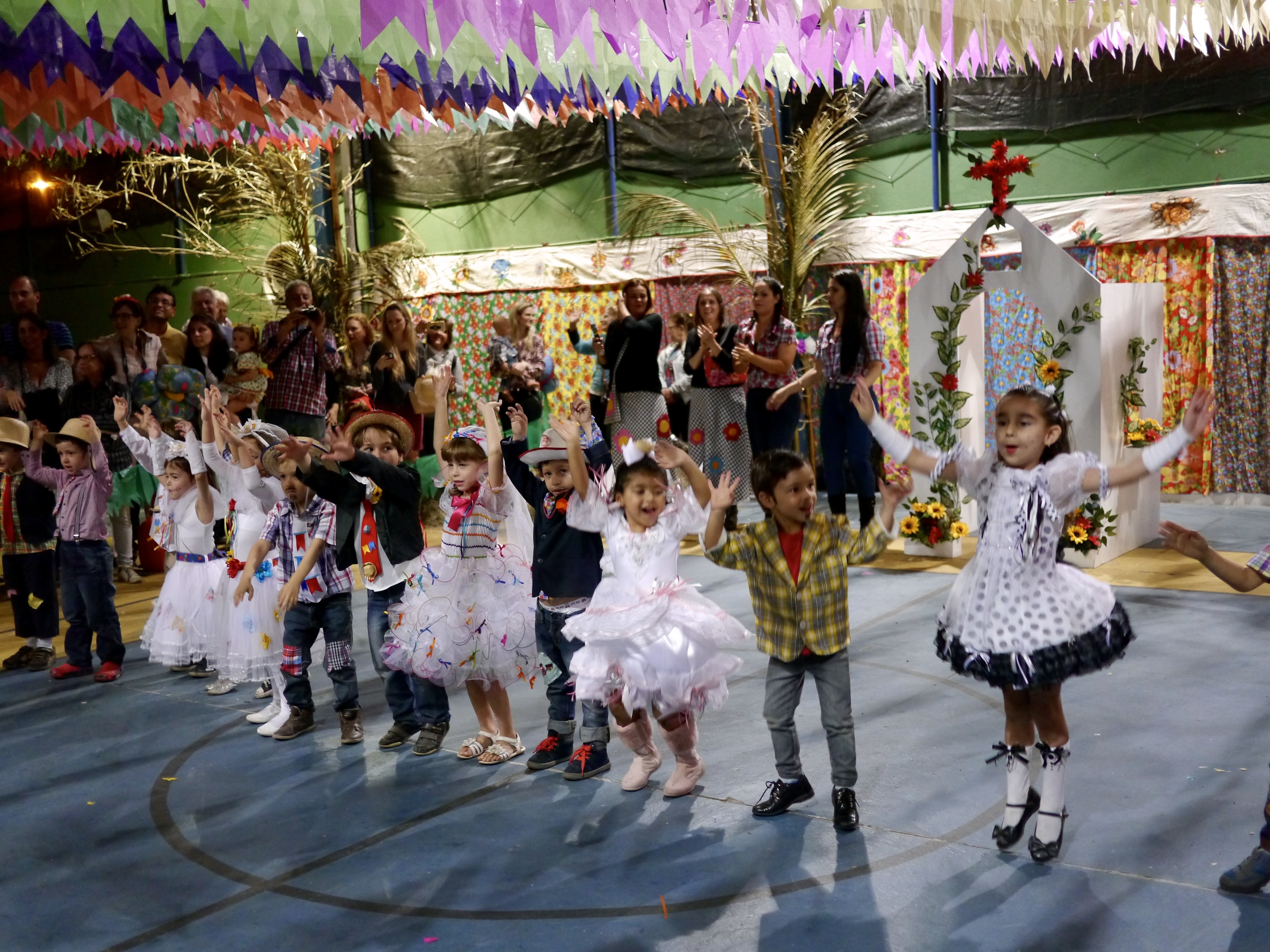
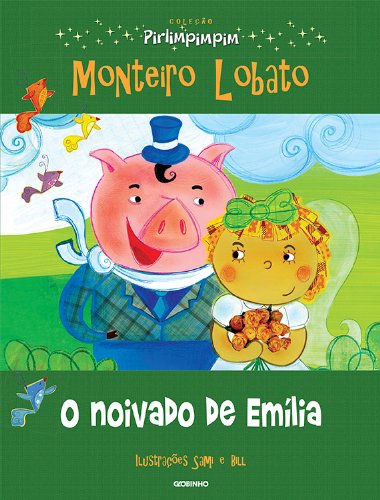
 There are fireworks, dancing, carnival games, straw hats and painted freckles (girls) or a painted moustache (boys), and usually at least one mock wedding. I haven’t read exactly how the mock weddings became a staple of Festa Junina parties, but I have a theory. Saint Anthony is considered the patron saint of marriage because he helps single women get husbands so many offerings and prayers are sent to Saint Anthony on his day, June 13. In addition to June being a time when marriage is on the brain, bringing the corn harvest to market was one of the few times people in rural areas got to meet someone they weren’t related to. Oh, and how convenient to have your wedding at the same time as the already scheduled festival! You can save tons on catering! Thus Festa Junina became a day of many weddings.
 At my daughter’s school, it’s always Year 4 that stages a mass mock wedding, and this year it was finally her turn. That meant her Festa Junina costume was a wedding dress with a veil, and she LOVED it. It also meant extra time on stage because in addition to the mock wedding, all grade levels perform a quadrilha, a traditional dance done during Festa Junina but with preschoolers is really just a lot of jumping and arm waving.
 In my personal opinion, the best part about Festa Junina is the food, but I feel that way about all carnivals and festivals. Any event that has portable grills and homemade sweets being set up on folding tables arranged around ring toss and fishing games is something I’d be delighted to attend.




 At the summer games this year in Rio de Janeiro, fans of 41 different sports will have a chance to watch competition between the best athletes in their sport. The world’s best judokas, golfers, divers, bmx cyclists, track cyclists, mountain cyclists (I had no idea there were so many different ways to cycle), trampoline jumpers, and fencers will be here in Brazil competing for gold. To be completely honest, I’m not sure what the modern pentathloners will be doing exactly, but I’m sure it’s something that I cannot.
 Portuguese and later Brazilian officials were so frightened by capoeira they outlawed any and everything related to the game. People were arrested for playing capoeira instruments, wearing the colored belts and white pants, or just whistling a capoeira song. Finally, in the 1930’s Mestre Bimba from Salvador convinced the government that capoeira was both an important cultural legacy for Brazil and (because governments respond well to financial incentives) a tourist draw. In 1937, he was allowed to open the first public and officially sanctioned capoeira school in Brazil.
 While the styles vary in speed and types of movement, both keep the same format and traditions for practicing. Capoeira is always played inside a circle of musicians, singers, other players, and spectators. The music of capoeira is performed on five instruments: berimbau, pandeiro, atabaque, agogô, and reco-reco. The musicians and singer perform continuously as players tag in and out of the circle. One more important fact! Players never actually strike each other while playing. They feint and dodge and kick, but they never land a blow. That’s why the verb “play” is used for capoeira. They’re playing, not fighting.




 Having spent the majority of my adult life outside of the United States (mostly in small, homogeneous cities), I’ve gotten used to being the subject of conversation at the next table over. It happens pretty frequently in Vitoria. My husband and I speak in English so people assume I don’t understand their Portuguese freeing them to openly discuss me from two feet away. It happens most frequently with kids and teens, but a surprising number of adults don’t seem to realize that a person could understand both English and Portuguese. In Vitoria, we expats are like endangered wildlife. People know we’re around, but when actually spotted, locals take note.