Tag: Kids in Brazil

  • A Parent’s Weekly Writing Routine

    A Parent’s Weekly Writing Routine

    IMG_1021

    MONDAY

    Morning:

    School Holiday so entertain and feed kid

    Afternoon:

    Entertain and feed kid

    Evening:

    Entertain, feed kid, and persuade her to take a bath

    Night:

    Fight with kid over everything because you’re both exhausted, Fight about getting out of the bath, brushing teeth, number of bedtime stories, going to sleep 

    9:30pm Open computer and stare listlessly at manuscript, pour wine, search new releases on Netflix

    TUESDAY

    Morning:

    8 am  Wake up & work on social media – Wake up late because child had a nightmare about Mommy getting her head bitten off by a monster and we were up for an hour in the middle of the night, race to get to swim class on time

    9:59am  Arrive at school on time

    10:00am  Watch kid’s swim class

    10:40am  Gym – Because yesterday was a school holiday – Think about dialogue for a tricky scene while on treadmill – Stand in front of gym for five minutes trying to remember what it was I needed to get at the drugstore…Bug Repellant!! I noticed my daughter’s almost out when packing her backpack.

    Afternoon:

    12:30pm  Lunch w/ husband

    1:30pm  Write – Computer reminds me of family member’s birthday, quickly search internet for present 

    3pm Get back to Writing – Make mistake of checking phone and finding 41 messages from parents in kid’s class on the firing of a favorite teaching assistant in addition to a few suggestions for weekend playdates

    4:15pm  Get back to Writing – Suddenly remember a package for my daughter waiting to be picked up, race to post office, Dammit! race back home to get wallet, race to post office, realize there’s not enough time to get back home before school pick-up, go to bakery and get dinner

    5:45om  Pick up child

    Evening:

    6-6:30pm  Dinner – eaten while child is having her snack

    6:30-7:30pm  Family Playtime

    7:30  Begin persuading child to take a bath

    7:50  Get child in bath

    8:15  Finally persuade child to leave bath

    Night:

    8:30  Argue about teeth brushing

    9pm  Read bedtime stories

    9:30  Write for two hours

    WEDNESDAY

    Morning:

    8am  Wake up & work on social media – Wake up to wet sheets and crying child because she peed in her bed. My fault. I gave her the whole bottle of coconut water after dinner. Can’t give her coconut water after dinner. Gotta remember that.

    9:30am  Take child to school

    10:15am  Gym, Revise previous night’s writing while on treadmill

    11:30am  Stop by toy store to pick up birthday present for kid’s classmate

    11:50am  Make appointment for kid’s haircut on way home

    Afternoon:

    12:30pm  Lunch with Husband

    1:15pm Write – Get call from school saying child is fine but has fallen and hit her head on the corner of a concrete pillar and now has a giant knot on her forehead, decide to pick her up from school early because I can watch her more closely than the school and it’s better to be safe than sorry

    Evening:

    6pm  Dinner

    6:30-7:30pm  Family Playtime

    7:30  Begin persuading child to take a bath

    7:50  Get child in bath

    8:15  Finally persuade child to leave bath

    Night:

    8:30  Argue about teeth brushing

    9pm  Read bedtime stories

    9:30  Write for two hours

    THURSDAY

    Morning:

    8am  Yes. Finally. I am waking up to work… –Another school holiday?! Are you kidding me? Schools are closed and teachers don’t work on Teacher Appreciation Day?! What sort of socialist hellscape am I living in?

    Afternoon:

    Entertain and feed kid

    Evening:

    Entertain, feed kid, and persuade her to take a bath

    Night:

    Fight with kid over everything because you’re both exhausted, Fight about getting out of the bath, brushing teeth, number of bedtime stories, going to sleep

    9:30pm  Open computer and stare listlessly at manuscript, pour wine, search new releases on Netflix

    FRIDAY

    Morning:

    8am  Wake up & work on social media

    9:30am  Take kid to school

    10am  Gym, Tweak scene that has been complete in my head for a week while on the treadmill

    11:30am  Write – in total amazement that I’m looking at manuscript before lunch

    Afternoon:

    12:30pm  Lunch with Husband

    1:15pm  Write – get call from school that daughter is complaining of a headache, she doesn’t have a fever, tell school she’s just trying to come home early and that I’ll pick up right after dinner

    2:30pm  Get back to Writing – get call from school saying that child has just thrown-up, race to pick her up driven by crushing guilt because she was not in fact lying about feeling bad

    Evening:

    Hover over sick child with bucket

    Night:

    Hover over sick child, Give her a bath, Get her to sleep in my bed, Read in bed to keep an eye on her

    SATURDAY

    No working. Family day.

    SUNDAY

    No working. Family day.


    I imagine books entitled Write a Novel in 30 have a special chapter for parents that starts “First, find a place to send your children for the month.” If I get 2,000 words down, it was an awesome writing day and I don’t even have to do the daily household chores. We have a housekeeper! It’s one of the perks of living in a country that values human labor less than tomatoes. Imagine throwing in cooking, cleaning, ironing, grocery shopping, and basic home maintenance to that schedule. Imagine more than one kid! That’s the life of a parent trying to write.

    A writer and mom I follow on Twitter recently wrote about finishing the 6th draft of a manuscript she’s been working on for 3 years. Honestly, I’m surprised she’s been able to get through so many drafts in that amount of time.

    I raise a fist in salute to my fellow writers and parents. I bow in deep admiration to those…oh crap, I forgot to get the cotton balls for the ghost craft happening at the Halloween party I’m throwing on Saturday. Better go now. Gotta pick up the kid in an hour.

    fJzNWoE

  • I Gave My Daughter a Dinosaur

    I Gave My Daughter a Dinosaur

    IMG_0387It all started when the Littlest Pet army wanted to steal Polly Pocket’s kitty.

    In her desperation, Polly called on her big sister, Wonder Woman, to defend her from the oncoming hoard of Littlest Pets. Wonder Woman joined the battle, the tide seemed to turn, but the Littlest Pets called on their Pteranodon freed from Jurassic World for air support. Wonder Woman countered by summoning her dragon, Storm Fly, and together they defended Polly and her pets from the Pteranodon. The battle raged. A pink poodle was decapitated. Then everyone stopped to have dinner.

    I’ve clearly screwed up my daughter.

    I should have realize it sooner, but it only became clear as I separated the earth-toned reptiles from the candy-colored pets. My daughter is terribly confused, and I have only myself to blame.

    I should never have put both super heroes and Polly Pockets in the same playroom. I wasn’t thinking. She’s a girl. It’s not enough that she likes Littlest Pets and Polly Pocket; she must like only Littlest Pets and Polly Pockets. By acting out “Polly has a new pet kitty” and “Epic Battle to the death”, I have no idea what label to ascribe to her. Tomboy? Animal lover? Warrior? Caretaker? What is she?!

    If I’m confused, I can only imagine everyone else in her life. How are people supposed to know what present to get her when she’ll play with anything? I can’t ask friends and family to walk down more than one aisle at the toy store.

    Also I don’t think these toys can be used together safely. Thomas the Train’s wheels might fall off if he has to pull the Littlest Pets. What if Elsa’s dress gets glitter on the Pteranodon? Dinosaurs that were bred in a lab from DNA preserved in prehistoric mosquitoes weren’t meant to be covered in glitter. Neither are the toys inspired by them. The glitter will probably erode the wings off. I’m worried Batman might combust if he’s made to ride a My Little Pony.

    The effects of this cross-play on the toys themselves are actually minor concerns compared to the effects on my daughter. If I had only stuck to tea sets, maybe she wouldn’t insist on climbing the bookshelves. Or leaping off the bed. Or running. Or moving. She would have learned that girls are supposed to sit quietly for long periods of time. If I’d limited her to baby dolls, she would have learned that changing diapers is an important part of care for infants handled exclusively by females. As such, girls aren’t supposed to find poop funny. Human waste management is a serious responsibility and constantly imagining your stuffed animals pooping on your mom’s head is NOT hilarious.

    I definitely haven’t bought her enough Barbies. She’s still willing to leave the house with her hair unbrushed. If I hadn’t diluted the effects of the Barbies and princesses by including some super heroes, she’d be obsessed with accessories by now. As it is, she only wants to wear a crown some of the time not all of the time. Since she doesn’t have pierced ears, how are people supposed to know she’s a girl without a tiara and perfectly styled hair?

    Allowing all the violent play was another mistake. That battle the Littlest Pets engaged in was brutal and not girly at all. Parenting fail. I bought the swords and shields. My husband and I read her illustrated Greek myths that referenced the Trojan War. We were forcing her to go against her nature when I taught her how to make a fist and my husband recalled his fencing days to teach her to properly thrust and parry. We should have known that having to set the rule “You cannot actually touch anyone when pretending to fight” was an indication our daughter’s development had gone off track.

    It doesn’t matter that no scientific evidence has linked war play in kids to aggression in adults. I’m sure that’s only true for boys. A girl playing war is just unnatural. No girl in history has ever wanted to punch something. Girls don’t feel frustration and anger or desire to be powerful and heroic. They only ever want to rock babies, cook dinner, dress dolls, and put someone else’s needs ahead of their own. All girls. All of the time.

    As every clothing, toy, and book store here in Vitoria make clear, girls are all the same by nature. So I can only assume my husband and I are to blame for my daughter being different.

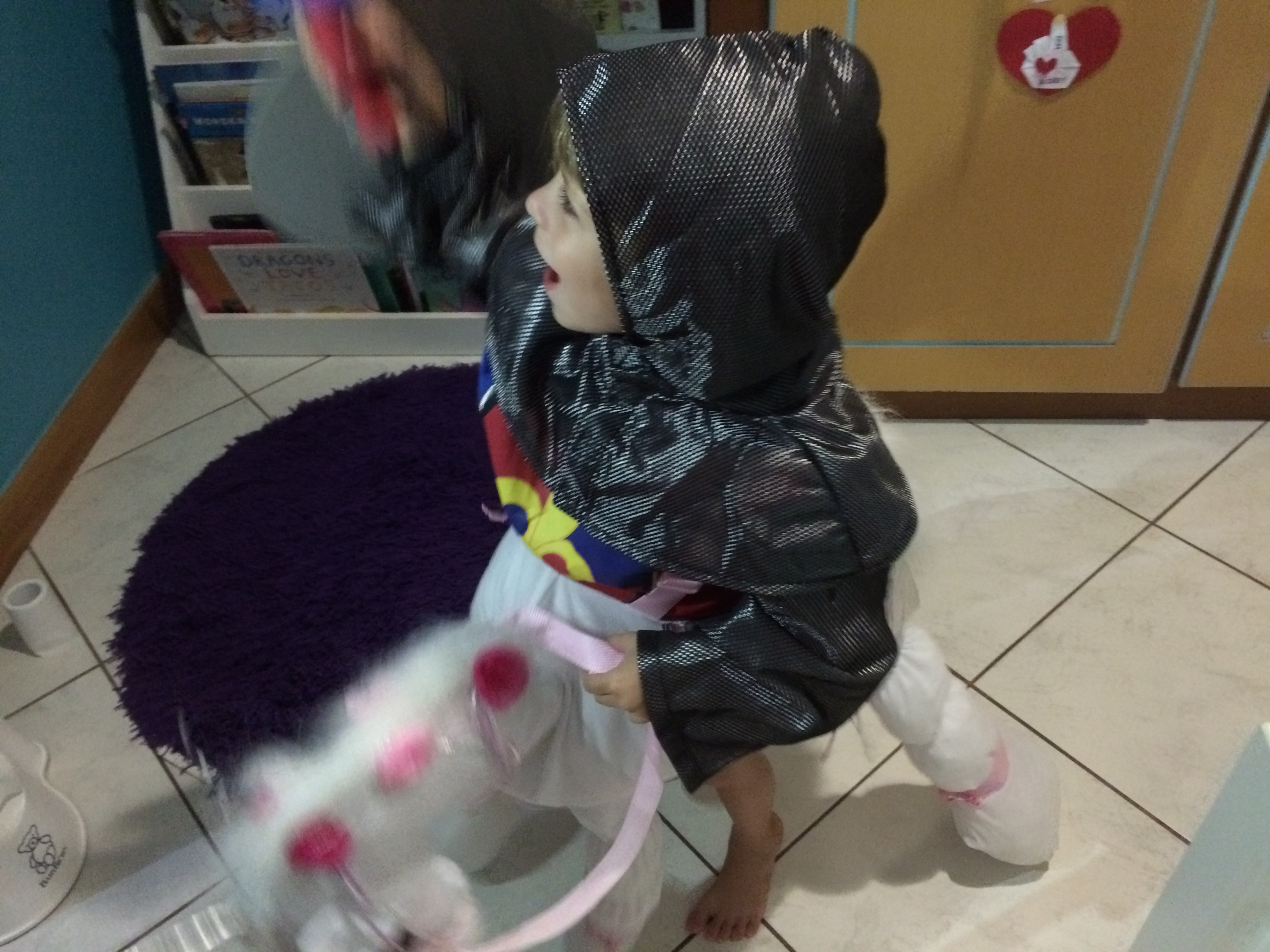
    I was still reeling from this disturbing revelation when my daughter announced her choice of Halloween costume. She wants to be a knight riding a flying unicorn.IMG_1009

    “Like the man and his flying horse,” she said.

    “What man?” I said confused. “You mean Bellerophon and Pegasus?!”

    “Yes, like Beliphon.”

    Great. On top of everything else, we’ve turned her into a nerd.


  • My Daughter’s Bilingual. It’s not a big deal.

    My Daughter’s Bilingual. It’s not a big deal.

    DSC_0028
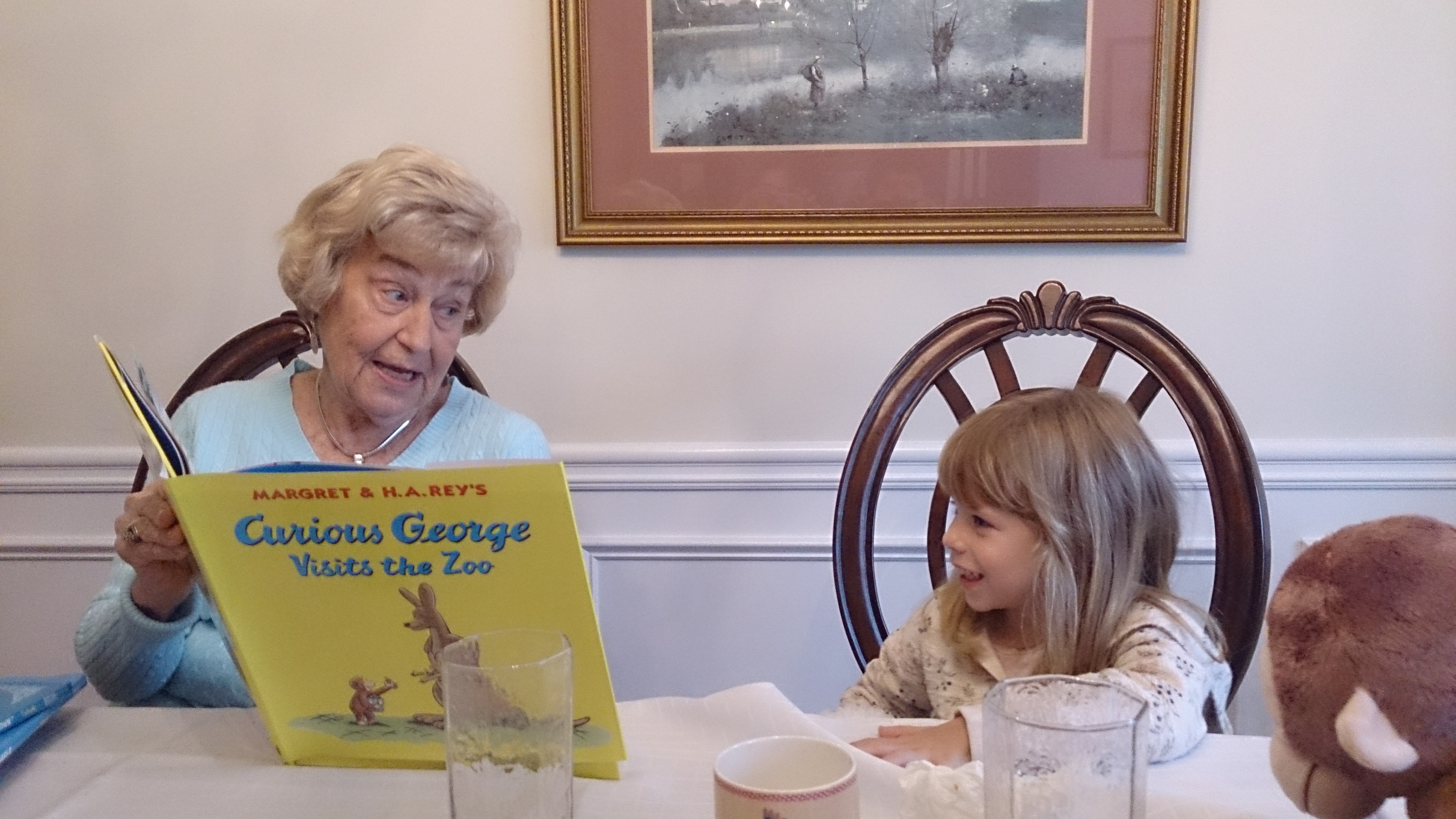
    My Brazilian-American daughter listening to her anglophone Great-Grandmother read Curious George.

    About a month ago, I was invited to be interviewed for a podcast with Marianna Du Bosq at Bilingual Avenue. She asked me to talk about raising my daughter bilingual in Portuguese and English, with English being the minority language. (Jargon alert! In the bilingual community, minority language is any language not spoken by the majority of people in the community.) I was flattered and excited.  In preparation, I visited her site and pulled up previous podcasts. As I listened to the PhD experts and trilingual parents, the researchers and published authors, I began to suspect that I would be the least helpful person ever interviewed for Bilingual Avenue.

    Well the interview is up, and I’m certain that I’m the least helpful guest ever.

    Of all the issues that come with parenting my daughter, raising her bilingual is one of the last I think about. In terms of energy usage, reflecting on her bilingualism comes just after flossing her teeth and ahead of which hand she writes with.

    I don’t have a favorite book on bilingualism. I don’t have tips or special strategies to share. I can’t list the names of prominent researchers in the field or site the latest journal article making waves. I don’t have a “biggest fear” or “primary concern”. I’m not visiting online forums and sharing my struggles with other parents.

    Before my daughter was born I did buy two books on raising bilingual kids. I read enough to know the common strategies: One Parent One Language (each parent speaks his/her native language to the child) and Minority Language at Home (the child learns the majority language at school/in public and speaks the minority language with both parents at home). Our pre-birth strategy session went something like this:

    Me: “Since she’s going to be getting Portuguese at school and with all her friends, we should probably speak English to her at home, right?”

    My Husband: “Absolutely.”

    And that was that. Marianna asked me during the interview how my Brazilian husband feels about speaking English to his daughter. Not to spoil the interview, but I considered revealing my suspicions that I married a robot. He speaks English fluently and wants his daughter to be fluent in both languages, thus the logical choice was to speak English at home. Period. I realize this story is not helpful for the majority of people who also consider feelings when making decisions. I personally would not be able to say “I love you” in Portuguese and feel it the way I do in English, but my husband didn’t give it a second thought.

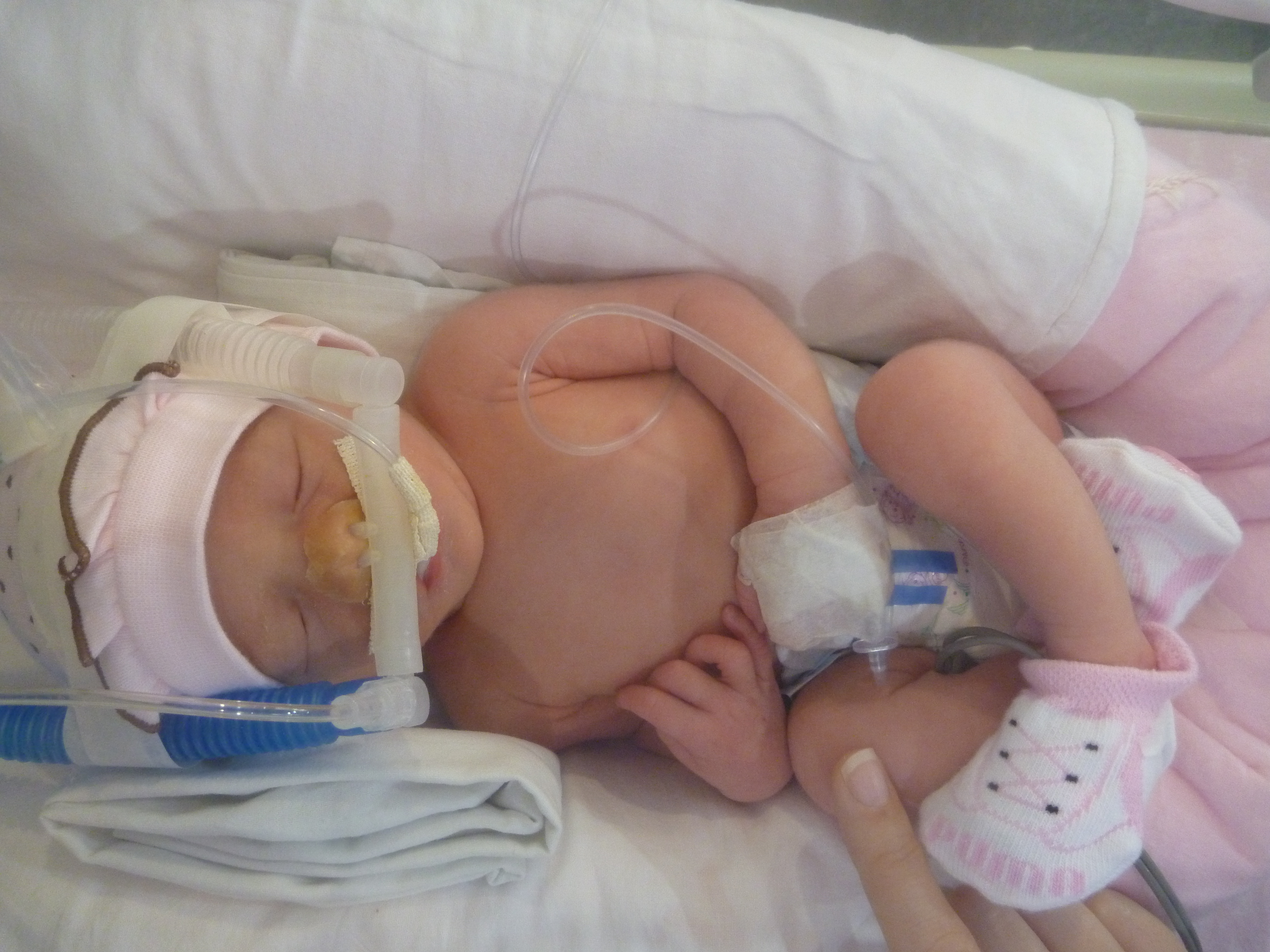
    It’s possible we would have talked about it more, but then my daughter was born seven weeks early. We spent a month in the NICU. She developed a severe food allergy that caused bloody stools until she was 8 months and left me, the breastfeeding mom, only able to eat fruits and vegetables handpicked by fairies and meat that hadn’t been cooked in anything remotely tasty. Her breastfeeding feeding schedule was every two hours, so I didn’t sleep for almost a year. She has severe separation anxiety which has allowed me one night off in over four years, and that night was such a disaster it will take years for everyone to recover enough to try again. When she started throwing tantrums, they included biting, scratching, spitting, kicking, and screaming until she lost her voice. Two years later, we’ve managed to reduce the tantrums to only screaming and throwing toys at doors instead of people. She refuses to try new foods. Iran is more flexible over nuclear policies than my daughter is on the subject of vegetables. And she has recently decided she is done with both school and sleeping.

    Truly my daughter speaking two languages is the least of my concerns.

    Her teachers report no problems with communication. She has lots of friends she speaks to in Portuguese. She enjoys speaking in English to my parents via Skype. She might have in total fewer words in English than a monolingual her age but so, what? I’m a native English speaker and still regularly have to look up English words I’ve never seen before. With every piece of writing, I learn new ways to use and manipulate my native language. Learning a language is a lifelong activity, not something you need mastered by 18. My kid can identify an armadillo in both English and Portuguese. I’m not worried.

    When I do consider her bilingualism and her place in the world as a bilingual, I remember that the idea a child should only have one native language or risk never being fluent in any has been totally and completely debunked. Linguists estimate 75% of the world’s population speaks more than one language and about 20% of the U.S. population. She’s far from alone in her bilingualism. In fact, compared to the many families passing on three or even four languages, our two-language family is pretty straightforward.

    I think about these facts for two minutes and then go back to finding a way to make applying sunscreen less traumatic. Which is why, I’m the absolute last parent to ask about raising a bilingual child.

    Because when someone says “You’re raising her bilingual. How’s that going?” I say, “Fine. Hey, do you have any suggestions for getting her to not hate carrots?”


    *Here is the link to my interview with Marianna at Bilingual Avenue. Episode 87: Learning Language from our Kids with Brynn Barineau

    If you have any questions or doubts about raising multilingual kids, Bilingual Avenue is a great resource!!


    fJzNWoE3050e876-5d08-44fa-b416-1e09c2490383_zpse12fd438

  • Six Things I learned About My Daughter While Visiting My Parents

    Six Things I learned About My Daughter While Visiting My Parents

    Summer in suburban Atlanta
    Summer in suburban Atlanta

    I just returned to Brazil after spending nearly three weeks in Atlanta, my hometown and where my family still lives.  It was the first time my daughter and I traveled just the two of us.  She’s four.  Our trip involved an all-night, nine-hour flight that was delayed two hours both going and coming.  I preemptively deployed both the iPad and M&Ms and I’m happy to say that both my daughter and I are going to see our next birthdays.  Although probably with a cavity or two.  Sanity above cavities, I say.

    I don’t know if it was being on active parent duty 24/7 or my daughter’s leap in communicating her feelings and interests since last Christmas, but I learned a lot about my daughter during these past few weeks visiting my parents.  Some insights were good, some frustrating, and some have me already looking for methods other than wine to cope with her teenage years.

    1. She thinks all kids speak Portuguese.  In her day to day life, the only people who speak English are grown ups, specifically my parents via Facetime, my husband, and me.  All of her friends, all the kids at school, her cousins in Rio, every single kid she interacts with speaks Portuguese.  Naturally, when she approached kids on playgrounds in Atlanta she said “Qual é seu nome?”  Every time.  Even after I’d tell her “Kids here talk like Mommy.  Use English,” she’d continue using Portuguese.  On each playground it took a few minutes of the kids not understanding and my prompting for her to switch over to English.  Then we’d stop by a different playground a couple days later and she’d say to some kids “Qual é seu nome?”  So as far as my daughter is concerned English is the language of authority and Portuguese is the language of her peers.  She’s getting to live her own colonial experience.  I’m sure that won’t be a problem later.
    2. She will eat boogers but not pancakes.  And it’s seriously grossing me out. She can’t get enough boogers but she refuses to open her mouth to taste one bite of fluffy, syrup drenched pancake.  It’s not just pancakes she refuses to eat.  It’s also hamburgers, ketchup, creamed corn, macaroni and cheese, cereal with milk, and scrambled eggs.  But boogers she pops into her mouth without a second thought. I’m beginning to think something is wrong with her.
    3. She’s never played outside in the dark.  I realized this watching her buzz around the Atlanta Botanical Garden while viewing a nighttime light exhibit. I knelt to point out a firefly and realized she had never seen a firefly.  We live in a city in an apartment building next to a very busy street.  Nature isn’t even in the same zip code.  Our city also has unfortunately high levels of violence and crime making the few parks that are here unsafe at night.  Running around outside after dark, playing hide-and-seek, capture the flag, or catching fireflies was a HUGE part of my childhood.  But hasn’t been and won’t be for my daughter. It makes me sad.
    4. If it’s not chocolate, it doesn’t count as desert.  She will eat the chips out of a chocolate chip cookie.  She will turn down cookie dough for lack of chocolate.  She will refuse to part her lips for pound cake.  And she will not deign to look at anything called “pie”.  Dessert is by definition chocolate.  This almost redeems the booger eating.
    5. She is stubborn.  I knew this about her but sending her to preschool every weekday from 10-5:30 provided a significant buffer that kept me from really understanding the depths of her resolve.  If she does not want to do something, she will refuse and she can keep refusing, crying, & screaming for over an hour.  I decided she was old enough to start blowing her own nose.  She disagreed & snorted snot out of her nose leaving it all over her face & hanging from her chin for over an hour.  I told her she had to try one bite of corn in order to get dessert.  She refused and demanded chocolate cake repeatedly until long after we’d finished the meal and arrived back home.  I told her it was too late to read two bed time books.  She screamed at me to read her chosen books throughout my entire going to bed routine and continued after I’d gotten under the covers.
    6. She is a one hell of a control freak!   She has rules for everything.  What cup the juice is in.  What order the books are read in.  Who takes her to the bathroom.  What underwear, what socks, and heaven help the person who offers to put her hair in a ponytail if she’s not in the mood.  Everything matters!  Everything!  And “playing” with her means standing quietly until you are assigned a toy, which hand to hold the toy in, a place to sit, and what you are going to say.  And do not screw up your line!  If she tells you to say “Hey, who stole my kitty?” do not say “Hey, someone took my kitty!”  No improvising! Give dialogue exactly as assigned!  She will grow up to be either an award winning director known for making actors cry or dictator of a small Latin American country.

    I’m sure summer vacation in December will be full of new insights, although I’m beginning to think ignorance is bliss.

    Badge-smllink-logosmall1

  • 28 Days in a Brazilian NICU: The Mom Milking Room

    28 Days in a Brazilian NICU: The Mom Milking Room

    Day 2 of 28 in the NICU at Vitoria Apart Hospital in Brazil.
    Day 2 of 28 in the NICU at Vitoria Apart Hospital in Brazil.

    My daughter was born seven weeks early due to placental abruption.  That was a new term for me, placental abruption. Another one was UTIN.  That’s the acronym in Portuguese for Neonatal Intensive Care Unit (NICU).  It was one of the many Portuguese medical terms I learned after my daughter spent 28 days in a NICU in Brazil.  In the moment, each day felt like a lifetime. I was sure every minute of all 28 days had been seared into my memory.

    But they weren’t.

    My daughter just turned four, and I’m shocked to realize how much of a blur those weeks have become.  Most of the exact numbers are gone.  How many days was she on a ventilator?  When did she get above 2kg?  Of the many people who cared for my daughter, all but one of the names has been erased.  Now they’re the doctor with red glasses and the physiotherapist who spoke some English.  I suspect these details will disappear too.

    What has not faded in any detail, much to my dismay, is my memory of the milking room.  This was the place they sent the new moms to strip them dignity.  It was the room for hand expressing breast milk.

    Many preemies are born too small to breastfeed and are fed through a tube and syringe.  How do you get these babies breast milk?  The obvious answer is pump it, store it, and serve it.  Except the NICU did not allow breast pumps of any kind.  The hospital said it could not guarantee that an individual mom’s pump would be sterile, so they could not give the milk from from a potentially unsterile source to the baby.  The only way for a baby in the NICU at Vitoria Apart Hospital to get breast milk, other than on tap, was to hand express it.  This is as awful as it sounds.

    At least for me.  I am not particularly in touch with my body.  I’m more cerebral and would be quite content to be a floating brain in space except for the facts I do like going for walks and eating french fries.  I’m aware that my conscious self is housed in an organic Tupperware container that impacts how I feel, think, am, but I don’t dwell on it.  At least not until I get a stomach virus.  Or until I have to breastfeed a baby.

    And I was going to breastfeed.  I had done my research.  Despite my lack of emotional connection to my mammary glands, I was totally committed to breastfeeding.  I did not, however, anticipate having to milk myself like a cow.

    That’s what it is.  Hand expressing means squeezing out the milk by hand into a container.

    Despite that daunting psychological hurdle, I told the nurses I still wanted to breastfeed, so one of them led me out the backdoor of the NICU, down a hall, through an unmarked door, and into an unused storage closet.  Based on the size and lack of any comforts except three chairs, I assume storage closet was the original purpose of the room.  White walls, tile floor, no windows, and freezing cold.  This was the room I shuffled to, fresh from an emergency c-section, so that I could hand squeeze milk from my boobs.

    As I stood there shivering in my hospital gown, the nurse quickly went through the officially sanctioned routine that guaranteed milk I expressed in that closet would be more sanitary than what I could get from a pump: wash hands, don hairnet and face mask, remove the plastic cups from the packaging and take the lids off, wash hands again, wash nipples with gauze, squeeze milk into cup and seal the cup immediately when full.  Fortunately, she demonstrated the whole process because to this day I don’t know the Portuguese word for gauze or hairnet.

    Then she left.  No medical professional stayed in that closet with the moms.

    Want to guess how many of the moms expressing themselves actually followed that routine when left on their own?

    I know because it turned out to be a communal milking closet, and the answer is none that I saw.  The next time I went to the closet, two other women were already there happily chatting away, masks down over their chins.  I distinctly remember these two women because they were friendly, completely comfortable being half-naked in front of strangers, and filling up cup after cup with milk like a competition at a state fair.  I was none of those things.  I struggled to fill half a cup when alone.  Trying to hand-express milk in a freezer while confronting small talk in Portuguese and the four largest breasts I’ve ever seen in person was literally impossible.

    I got almost no milk out during that session or any other.  I subjected myself to breastfeeding purgatory every three hours for four days before finally saying “Enough.”  I believe breast milk is ideal.  I don’t believe it is worth torture.  I restarted breastfeeding only after my daughter was big enough to handle it herself.  Hand-expressing in that closet was one of the worst experiences of my life.  And I sat through the Sponge Bob movie.

    If I’d had any reserve of energy I would have been outraged.  I was being denied a breast pump on the grounds it wasn’t sterile, but there was nothing sterile about that room.  They sent a bunch of not-medically-trained women down the hall with instructions to wash their hands and wear a mask. I don’t believe a single doctor actually thought the milk coming out of that closet was sterile.  They know they’re in Brazil where actual laws are treated as suggestions.

    But I didn’t have the capacity for outrage then and I don’t care to feel it now.  True, an electric pump and a private space would have made a huge difference, but we all survived and someday the sound of someone else’s breastmilk squirting into a plastic cup will fade from memory.  In the meantime, I’ll milk it for the entertaining story it is.

    11ghkra

    Save

  • Dear Brazil: Pay Your Nannies a Living Wage!

    Dear Brazil: Pay Your Nannies a Living Wage!

    Seriously Brazil, it's 2015. Pay your help a living wage.
    Seriously Brazil, it’s 2015. Pay your help a living wage.

    Dear reader, if you’re not in the mood for a rant, check back next week.

    It all started when I received an early morning WhatsApp message from a fellow mom asking the group about rates for a substitute nanny while the permanent nanny is on vacation.

    A little cultural context. Here in Brazil full-time nannies are common. This was surreal for me coming from the United States. In the U.S. full-time nannies are something only the Jolie-Pitt or Kardashian families can afford.  I remember a combination of church daycares and grandparents after school and over the summers while my parents worked.  Personally, I’ve never known anyone in the U.S. with a full-time nanny.

    In Brazil, almost everyone I know has a full-time maid and many have a full-time nanny too.  Often if the family has kids but can’t afford two employees, the maid will have childcare duties in addition to the housekeeping, grocery shopping, and cooking.  Several of our friends also employ a weekend nanny because labor laws in Brazil don’t allow families to demand ask their nanny to work 7 days a week. It’s like Downton Abbey in flip-flops with more beer and better weather.

    How can these middle class and professional families afford full time nannies and housekeepers in the year 2015? Minimum wage in Brazil for 2015 is $250 a month. (I’m using today’s exchange rate of 1 U.S. dollar to 3.15 Brazilian reais to put all values into US dollars.) U.S. federal minimum wage is $7.25 per hour, so assuming four 40-hour-weeks a month, the U.S. federal minimum wage per month is $1,160.

    $1,160 versus $250 a month.

    Now, a lower minimum wage doesn’t necessarily indicate a lower quality of life.

    Maybe the cost of living is significantly lower in Brazil than the US? Maybe goods are less expensive? They’re not. The only things cheap in Brazil are coconuts and people, and even the coconuts are experiencing inflation.

    Maybe there are a variety of free/very low-cost public services in Brazil? There aren’t.  Public services from school to health care are abysmal.  Everyone who can scrape together the cost goes private, and a full-time nanny at minimum wage is significantly cheaper than private day cares here in Vitoria.

    But there’s no way people pay nannies minimum wage, right? In practice people are paying more than the legal minimum, aren’t they?

    This brings us back to this morning’s Whatsapp conversation among local moms.

    A mom wanted to know what other people had paid for someone to fill-in as a nanny for a month.  The values reported ranged from $254 to $476 for the month.  For two children.  For the entire day, Monday through Friday.

    But these shockingly low values are not what drove me to clutch at my hair and mutter obscenities at my computer.  Nor was I upset that a family of four is looking for the highest quality childcare at the lowest possible cost.

    I got upset after I sent a message saying that our kids’ pregnant preschool teacher was at the doctor again due to pain from her sciatic nerve.  I commented about how what she really needed as a present was a housekeeper.  My message got no response.  The conversation continued about nannies until finally the original poster asked, “Did your nannies just take care of the kids or did they also clean their rooms and do laundry?”  This sparked the rant.

    Dear Brazilian Middle and Upper Classes, nannies are people!  Housekeepers are people!  Preschool teachers and assistants are people!

    There are so many wonderful things about Brazilian culture, like the attitude toward children, the judicial selection process, and dental hygiene.  But the way upper classes treat people in the working class is NOT one of those things.  I’m so tired of listening to good, ethical people, friends, colleagues and parents I respect, refer to their nannies or maids as “them”.  I’ve heard complaints about how much the maid eats, stories about getting older kids to spy on the maid and report back, and indignation about a nanny who went and got married.  The underlying message is that “we” must be vigilant against “them” or they will use up our sugar and make a lot of long distance phone calls.

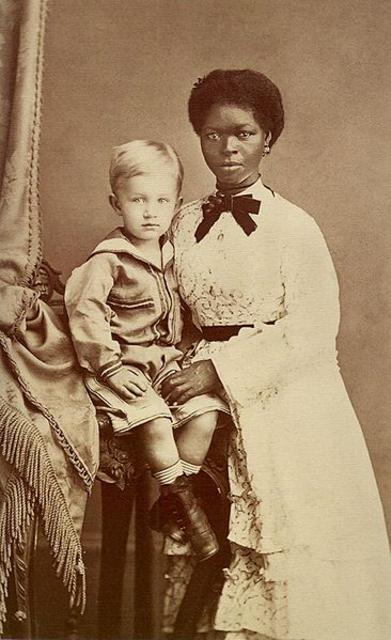
    When I saw the movie The Help, I thought, “Wow, that’s like present day Brazil”.  That’s what I see here.  Upper-classes in Brazil often deny the basic humanity of the people working in their homes.  (And to Brazilians who protest that Brazil doesn’t have The Help‘s racial component, I recommend a walk around Ipanema in the afternoon or a visit to a private daycare in Vitoria. Look at the color of the kids and look at the color of the people holding their hands.)

    I believe for most people it’s unconscious.  It’s how their own parents and everyone in their circle has always talked about nannies and housekeepers and drivers.  They’ve internalized this division, don’t see anything wrong with it, and haven’t been challenged on it.

    I’m not against paying for a housekeeper. We employ one. I’m not against paying for a nanny.  I believe affordable child care is a HUGE barrier keeping women from advancing in the workforce in the U.S. and Brazil. I’m writing this while my kid is at daycare. Many of the mom’s I know are amazing professionals, and it’s only possible because they can find childcare be it a daycare or nanny. Many moms want to work. Many moms HAVE to work. Quality childcare is a necessity.

    I’m against a system that keeps people from empathizing. That makes it “us” versus “them”. That causes a really nice person to ask the woman she’s paying almost minimum wage to watch her kids if she could also do the laundry.

    What about the kids of the people we pay to watch our kids?  Who watches them if we pay their moms $300 a month?  Is it ethical to ask a woman willing to assume the enormous task of keeping two small children alive for only $350/month to also do the laundry?  Is this woman really in a position to say “no”?  Are we going to be annoyed if she does?  If we’re paying minimal costs, why do we expect top-quality service and undying loyalty?

    Beyond respecting and talking to each other as people as opposed to being constantly on guard against the machinations of “those” others who want to exploit us…I have an idea for improving things for the moms, maids, and childcare workers.

    Everyone gets rid of their housekeeper.

    We take the money we were paying to housekeepers and put it toward childcare, either by increasing the wage of the nanny or increasing the salary of daycare and preschool teachers.  The former housekeepers come together and start cleaning-service businesses.  Their former employers, now clients, hire the company for once or twice a week, and now the preschool teachers and nannies may even be able to afford the housekeepers’ services with their increases in salary. The former housekeepers can also find employment at all the new public daycares the government will open in my utopia.

    And what about all the cooking and laundry and grocery shopping left in the wake of the maids?  Well, I think it’s time for Brazilian men to stop watching soccer and do some freakin’ laundry.

    How does that sound?

    Save

    Save

  • Brazil: Children Allowed

    Brazil: Children Allowed

    Brazil! Where children are always welcome!
    Brazil! Where children are always welcome!

    As an American, I know that taking a child to any restaurant that doesn’t have it’s menu posted on a wall and ordering her juice while she plays on your phone will get you nasty looks at the least and reported to child services at worst.  The US can be a harsh culture in which to go about the day to day activities of parenting.  I didn’t know how harsh until I moved to Brazil, and my eyes were opened.

    Brazilians are gaga for children!

    Women and men, old and young, Brazilians adore kids.  Brazil makes the US seem like one giant lawn its crotchety citizens don’t want children stepping on.

    I first noticed this difference during a staff lunch at a chic restaurant in Rio. My boss brought her newborn to this very crowded restaurant at peak lunch hour.  Exactly one table was available and it was on the opposite of the restaurant.  There was a sea of people in expensive clothes and tables covered in glassware between us and that table.  When my boss indicated to the staff that we would be claiming that table, I cringed.  My stomach clenched at the idea of getting through this fancy crowd with a baby and stroller.

    That’s the appropriate response, right?  Obviously, a parent should feel ill at the thought of briefly disturbing other people’s lunches on the way to her own table.  Ha. How American of me.  Two waiters swooped in, all smiles, lifted the stroller up over their heads, and carried that baby like royalty across the entire dining room.  Not a single dirty look.

    Brazilians have this bizarre assumption that babies and children are a staple part of everyday life.  If there are people around, there will be young people and these young people will cry, complain, spill things, talk too loudly, and generally not behave like adults.  That’s life.  How else is it supposed to continue?

    People here also acknowledge kids.  They talk to them and include kids as if they were a part of society.  Strangers smile and say hello to my daughter on our walks to school.  Waiters greet her at restaurants.  When she cries in public, people stop and ask her what’s wrong. During a melt down, I’m not worried the stranger approaching is about to helpfully inform me my child is being disruptive or offer some  judgement in the form of unsolicited advice.  That stranger approaching doesn’t want to talk to me at all.  She’s going to console my daughter.

    At playgrounds, parents help each others’ kids on and off equipment.  They freely offer snacks they’ve brought to every child in earshot.  They let other kids run off with their own child’s toy confident it will be returned. Playgrounds in Brazil initially felt to me like loud, sandy communist communes.  It was a long time before I stopped apologizing profusely every time my daughter touched another kid’s toy and fearing the wrath of another parent because I offered her child gluten.

    If you do bring your baby to Brazil, be prepared. Brazilians love children, and Brazilians are touchy people.  I mean literally touchy.  They touch other people a lot.  A random passersby will want to touch, stroke, kiss, and even hold your baby.  One of my daughter’s nurses at the NICU here in Vitoria admitted this was a particular blind spot for Brazilians.  Knowledge of germ theory cannot curb their enthusiasm for babies. I dealt with it by reminding myself I’d rather have a request to hold my baby than a request to remove it from the premises.

    This habit of baby fawning is not limited to any age, gender, or class.  A trainer at my gym once brought his newborn into the weight room and a half dozen of the burliest men were reduced to cooing and clucking incoherently.  The school where I taught had preschool through high school, and everyday as the toddlers left the nap room, a crowd of teenagers gathered to squeal and exclaim over the adorably rumpled munchkins.

    And of course there are the old ladies.  Women over the age 70 must develop a sixth sense to detect babies.  I’d be sitting at the cafe, waving a rattle in my daughter’s face, and suddenly an 85 year old woman materialized out of thin air to stroke my daughter’s hair and to tell me my baby is cold.

    This is the one sin a parent cannot commit in Brazil.  You can leave the TV on 24 hours day.  You can feed your kid white rice and french fries at every lunch.  But do NOT let your baby get cold!!!  If there is a breeze and your baby is not covered with a blanket, every person will stop and tell you your baby is cold.  Every. Single. Person.  As someone who does not think 65 F requires gloves at any age, I heard it pretty much everyday of my child’s infancy.

    The love for and acceptance of children as part of daily life are two of the things I love best about Brazil, and for now, I’m perfectly content to raise my tantrum prone daughter here so as not to disturb my fellow Americans’ lattes.

    Save

  • Children’s Parties: Brazilian Edition

    Children’s Parties: Brazilian Edition

    What are they going to do for the 2nd birthday?

    We can learn a lot about our own culture by having to explain it to outsiders.  What specifically outsiders want an explanation for is telling and then having to explain why can lead to great enlightenment.

    For example, as an American I have fielded quite a few questions about guns.  I’ve learned that to the rest of the world our obsession with firearms makes us look like batshit crazy people hellbent on our own destruction.  Also, no American expat has ever convinced another person that a civilian needs a grenade launcher to potentially fight off a government that has missile launching drones.

    Of course every culture has its idiosyncracies.  Americans must account for a love of lethal weapons, and I’d like to ask my Brazilian family and friends to explain the Brazilian child’s birthday party.

    (This is a totally legit transition.  An American gun range and a Brazilian child’s first birthday are, for me, equally intimidating environments.)

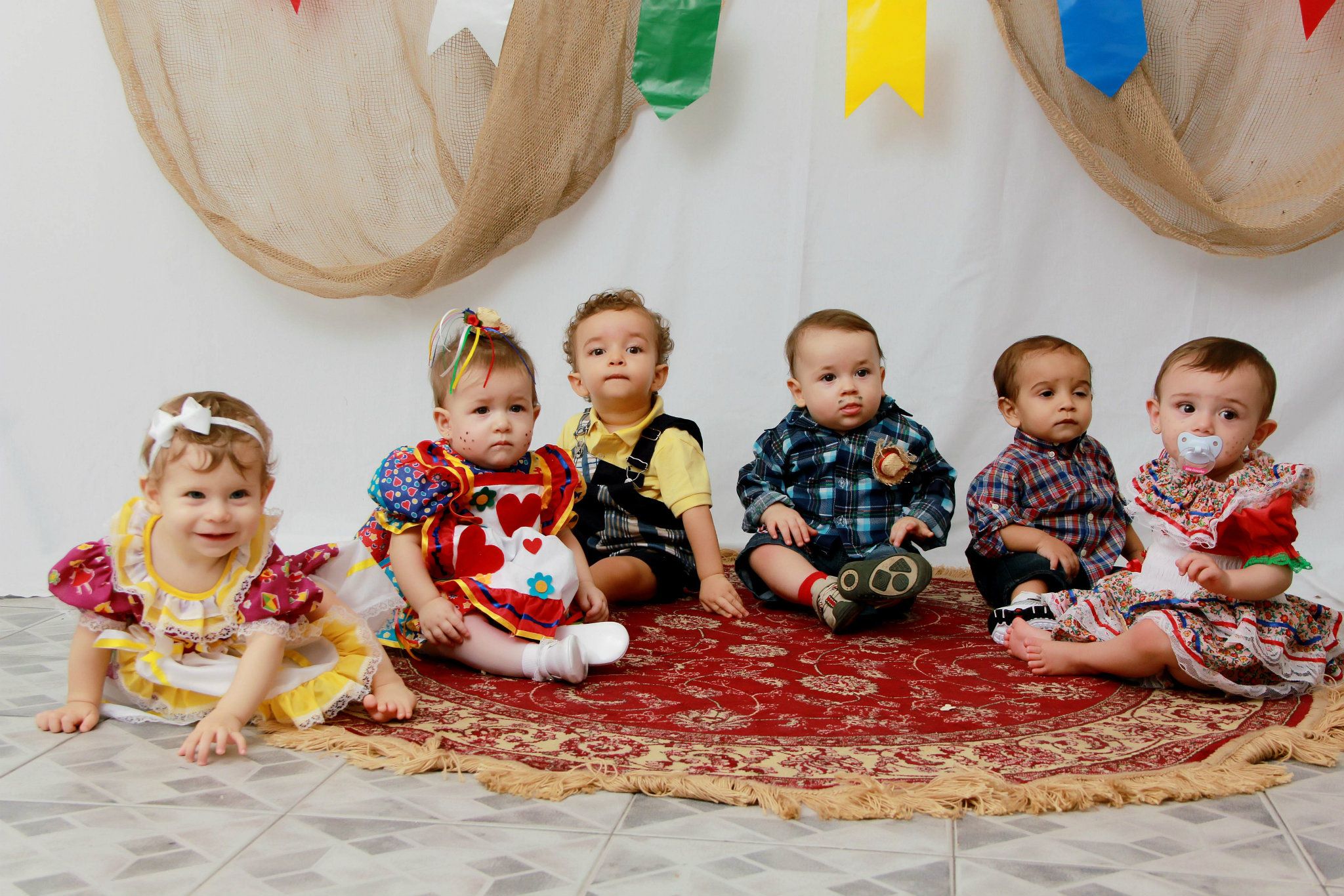
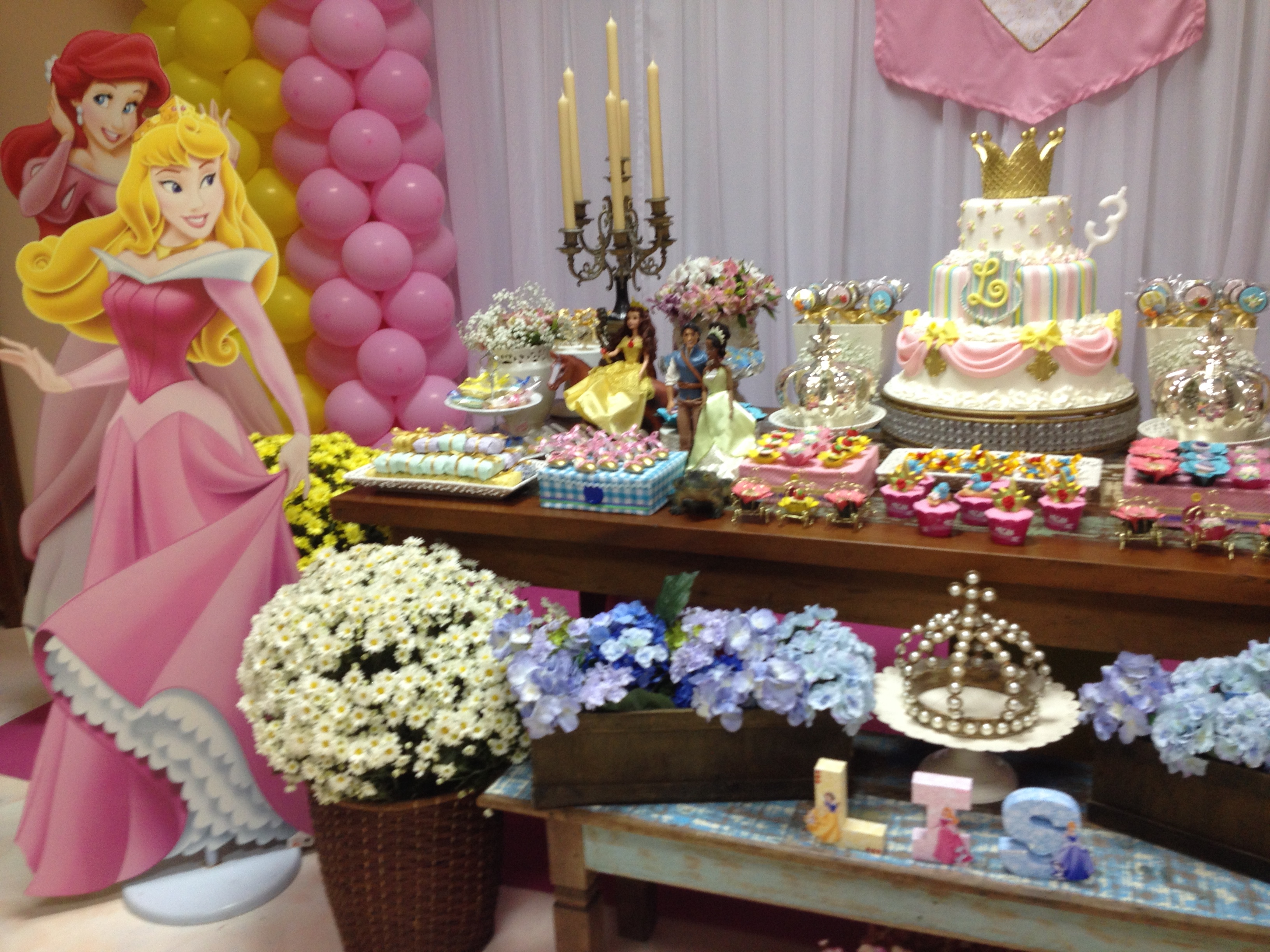
    This past weekend, we attended the birthday party of my daughter’s classmate.  My husband, daughter, and I all stayed the duration, from 5pm to 9pm on Sunday night.  There were about 60 people in attendance.  The three tables of decorated sweets and cakes on display throughout the event were perfectly arranged.  The personalized favors were lovely.  The party space had a climbing wall, a bungee-trampoline thing, a three-story playground, a rope walk suspended above everyone’s head, and a ball pit.  The trays of fingers foods, soda, and beer swept by with impressive frequency.  The boy was turning three.

    To be fair not every Brazilian family does this and many cannot afford to do this, but the party I have described is typical of middle class families.  It’s not something worthy of a reality TV show.  It’s completely mainstream.

    I have been to a few 1st birthday parties and they all had more guests than my wedding.  I understand that Brazilian families tend be large and stay in the same city where they were born.  It is very likely the birthday girl has ten cousins living close by. Ok. I understand that at a young age, it’s appropriate to give an invitation to everyone in the preschool class.  I’m totally on board.  But why their parents? Why do I have to feed 15 of my kid’s classmates, plus their moms, dads, and siblings?  My child doesn’t know little Rodrigo’s grandma. And why your boss and work colleagues your kid has never met?

    My nephew’s first birthday had around 100 people.  He spent almost the entire party hanging out with his grandpa in the car.  The poor kid burst into tears every time he got carried toward the commotion.

    I question the value of of a birthday party that the honoree is terrified to attend.

    Some beautiful things for the janitor to sweep up…

    And why spend so much money and time on the elaborate decorations and sweets?  A two year old doesn’t care if the candy is personalized and color coordinated.  For guests, those cute wrappers, ribbons, and bedazzled boxes are merely impediments between mouth and candy.  Once the birthday song is sung, it’s Lord of the Flies.  The smoke is still wafting up from the candles and the dessert tables look like a pack of Labradors was set on them. The kids are aggressive too.

    Ok, I’m being mean.  This is actually perfectly reasonable behavior considering the kids have been made to stare at these tables of sweets for three hours.  All the desserts are beautifully laid out upon arrival but DO NOT TOUCH them until after the candles are blown out!!  Scheduling a party at dinner time and making kids stare at cupcakes for hours is straight up torture.  I’m pretty sure it’s illegal under the Geneva Convention.

    I know some of the moms do everything themselves and I bow to their superior design and art skills. Every child’s party I’ve been to has been beautiful and if they were for a 15th birthday or graduation or even just for older kids who could remember it and not burst into tears at the sight of Great Aunt Roberta, I wouldn’t have any questions.  But I can’t help asking when I attend a three-year old’s birthday, who is this party for?

    blog-button-linkup-2