 There’s so much bad news coming out of Brazil lately. The economy is still in tatters. The president is impeached. The interim president is according to most sources a mysogynist, corrupt pig. (And those are the nice names people are using for him.) Any waterbased Olympic events will require the athletes to wear hazmat suits. Zika.
I feel bad for Brazil. She’s like a good friend that’s going through a majorly shitty time in her life. When you have a friend struggling, you try to tell her it’s not all her fault. (#blameportugal) You try to look at her situation analytically. (In Brazil’s case that might make your head explode.) And finally you find the silver lining. Which in Brazil’s case is…Hold on…Give me a minute…
The weather! Brazil, you have amazing weather. And vacation spots. And fruit. Oh, something man-made? Uh…
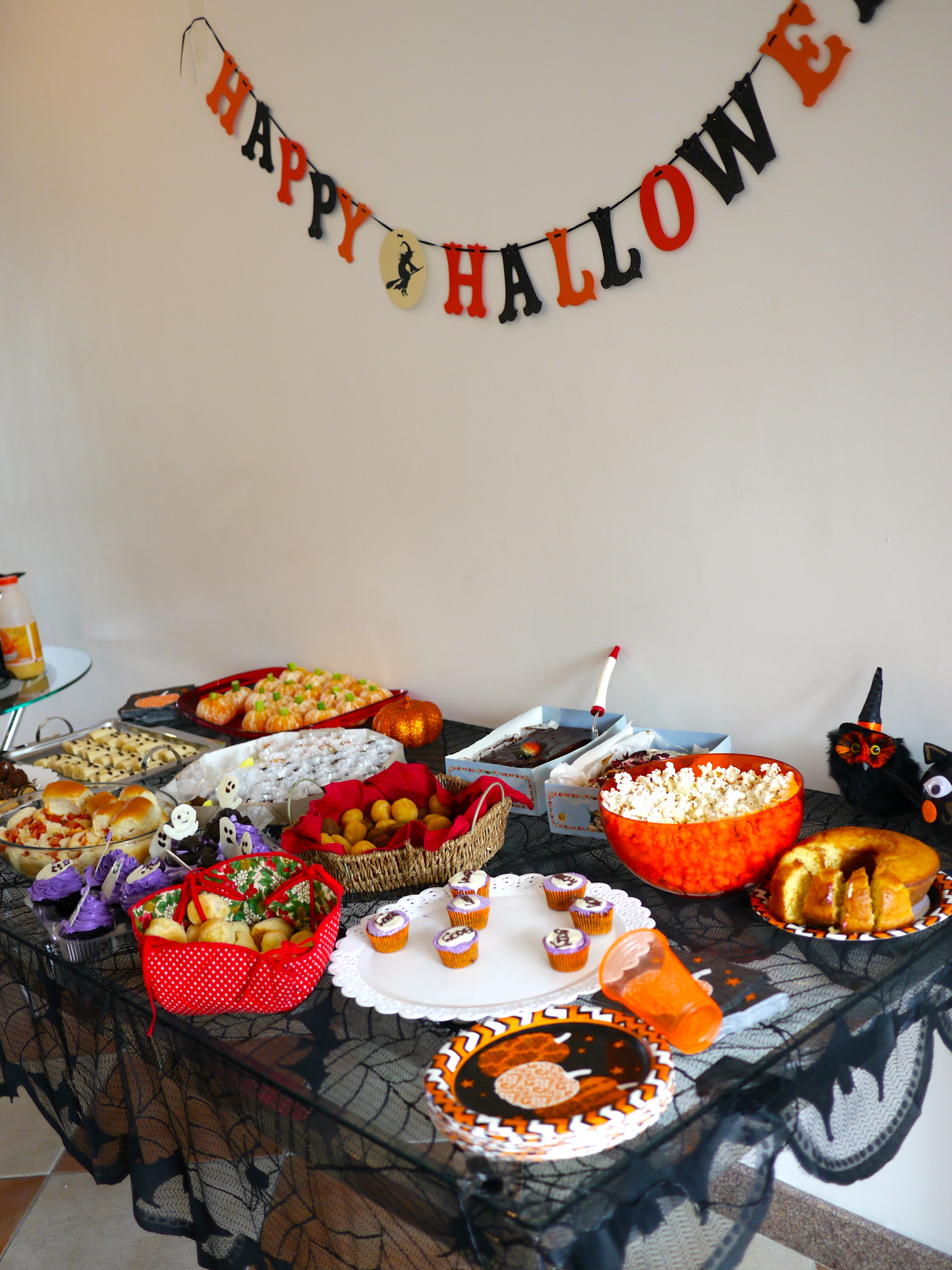
Snack food. Brazilians have nailed snack food in a way superior to any country I’ve ever lived in. Brazil has upped the snacking game to a point it’s an independent category of food. Look in a Brazilian cookbook and it’s possible to find, main courses, sides, desserts, and salgados.
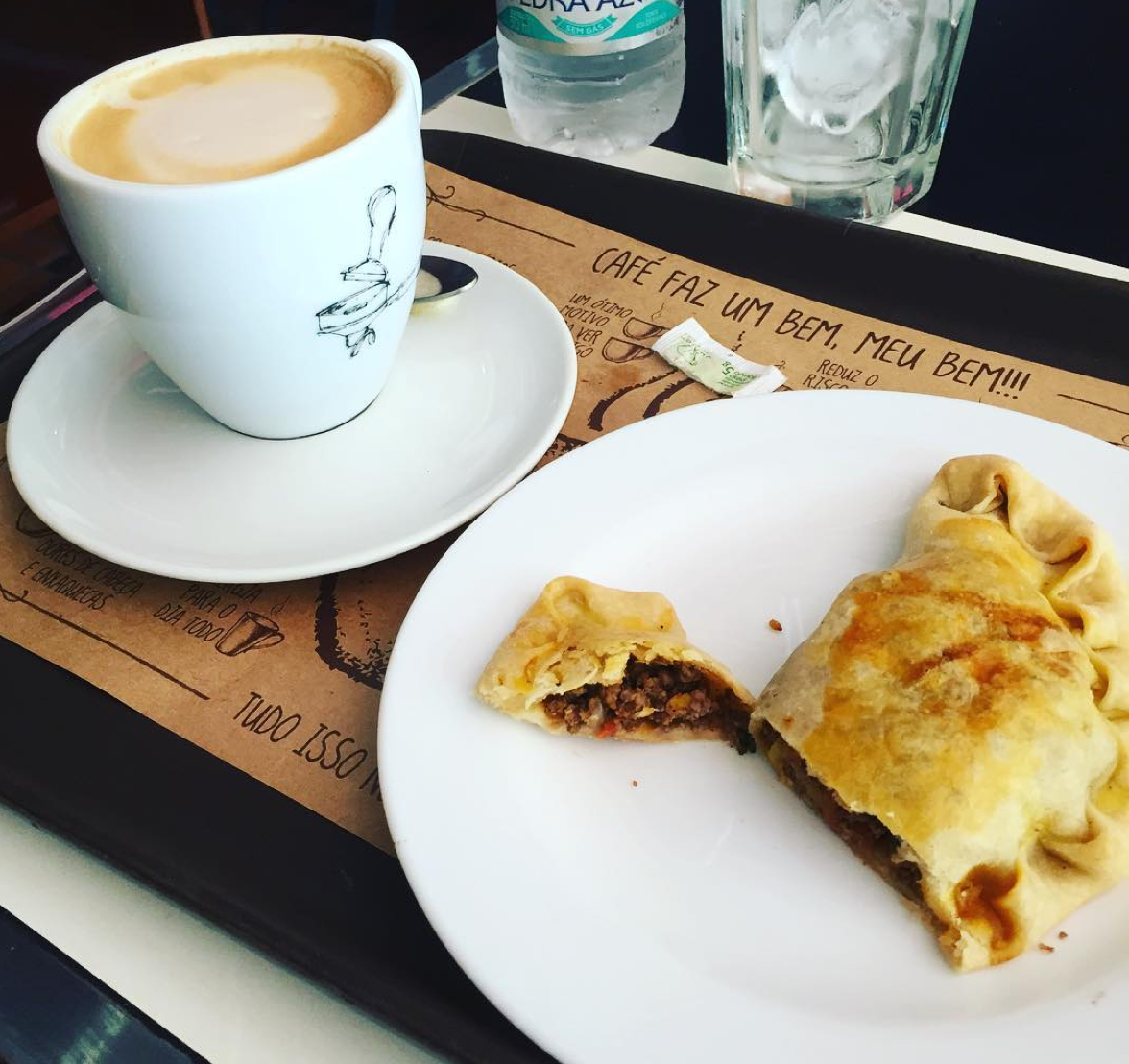
I’ve been asked by students how to translate salgados into English. You can’t. The best I’ve come up with is “a variety of salty, heavy snack foods that can be either fried or baked and are usually eaten individually as between meal snacks or in miniature forms at parties.” If anyone can suggest a single word in English to convey, please let me know, but I don’t think there is one. And hors d’oeuvre doesn’t cut it. A full-sized salgado is easily a meal in itself. A coffee and coxinha will set you up for hours.
Here’s a rundown on the typical salgados you’ll find in Brazil. I have a broad definition of salgado (see above), and I’m sure a few Brazilian purists will take issue with some of the food I’ve included on my list. Also, I’m sure I’ve forgotten some traditional favorites as well. My apologies.

Pão de Queijo: I’m putting this first because it is one of my absolute favorite things about Brazil. Yup, of all things that come from Brazil, my husband, my daughter, and pão de queijo are my favorites. This is a ball of cheesy, doughy deliciousness that can be served at breakfast, with afternoon coffee, or on party platters. Pão de quiejo can range in size from golf-ball to grown man’s fist, but when it comes to pão de queijo, bigger is always better. Trust me.

Pastel: A light pastry dough that is stuffed with deliciousness, folded over, and fried. Like pão de qeuijo, pastéis (plural form) can come the size of your palm of the size of your face. Shaped like a half circle or rectangle, the traditional fillings include ground beef, palm heart, mozzarella, shrimp, a kind of cream cheese, and chicken. They are delicious at ten in the morning with sugar cane juice or at seven at night with a caipirinha. I suspect they’re delicious at every hour of the day.
Empanada: Ok, this is one of the debatable entries because many people/sites equate empanada (a Spanish dish) and pastel (the Brazilian version). I’ll grant the overall concept is the same. Dough folded around a filling usually shaped in a half circle. But based on my personal experience with snack food in Brazil (which is fairly extensive I’m proud to say), the empanada and pastel are different things here primarily because of the dough. The empanada dough is thicker and not as flaky as the pastel. Also, empanadas seem to be baked whereas pastéis seem to be fried. Am I totally wrong about this? Are they the same? Am I the only one who cares? Also, don’t confuse an empanada with an…
Empada: Again dough, filling, baked, but the empada is more like a pie or casserole. The dough is much thicker and tends to become sticky when wet thus gluing your tongue to the roof of your mouth. It’s one of my least favorite salgados for this reason.

Kibe: An import from the Middle East and North Africa and a staple of party platters everywhere in Brazil. It mixes flour and ground beef into a football (oh, American football) shaped snacking delight. Sometimes there’s a cream cheese filling, but that’s only done if you hate your guests.

Coxinha: As far as I know, this is the only salgado with an origin story. A son of Princess Isabel (the last royal in charge of Brazil) would only eat chicken legs (even royal kids are brats about food). One day the kitchen was out chicken legs so the chef shredded chicken meat and put it inside a flour dough crust shaped like a drumstick. The little prince approved and now coxinhas are served in miniature at every children’s party. You can get them at pretty much any cafe or bakery. Coxinha is the heaviest item on the list, especially if there’s cream cheese in the center of the chicken filling. It’s like snacking on a small cannonball. A very delicious cannonball.

Juices, Açaí bowls, quiches, etc: I know juice and açaí don’t count as salgados. They are however staples of the Brazilian snacking experience. When my cousin visited Rio, we did a juice crawl through Ipanema. She tried fruits that the staff cringed from. In the heat of Brazil, nothing beats a bowl of cold açaí covered in bananas and strawberries. And of course cafes always have a variety of quiches and cakes to choose from.
Brazil is a great country for snacking. They have great coffee for the daytime, great caipirinhas for the nighttime and plenty of savory goodies for anytime. I just recommend a gym membership if you’re going to be staying any length time of here.
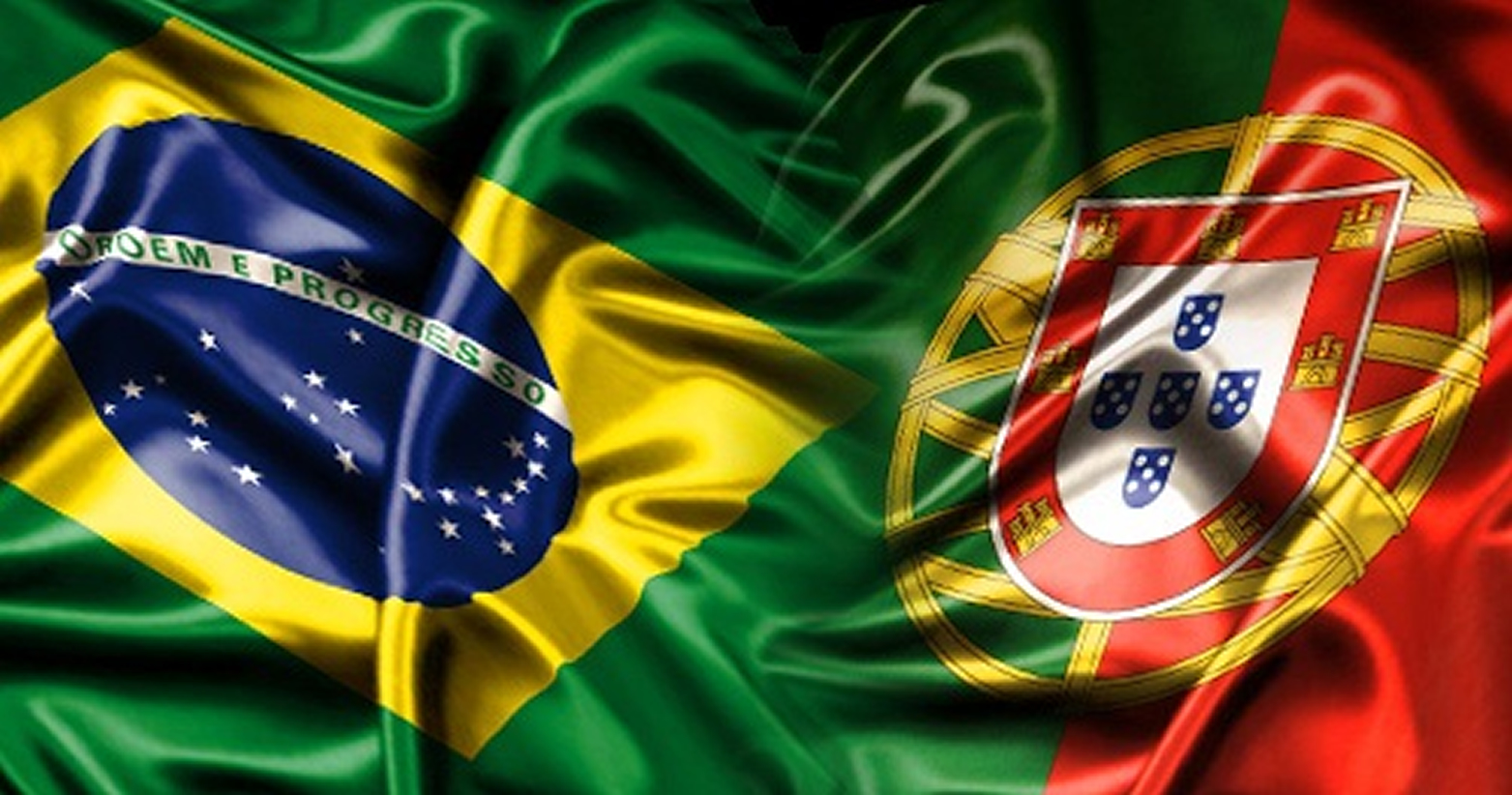
 I’m currently obsessed with an idea for a historical fiction novel and have spent the last week devouring books on colonial Brazil. (I know you’re jealous.) It’s been fascinating reading actually because it’s all entirely new history for me. It wasn’t until World History in high school that I even knew humans existed outside of Europe, and by “Europe” I mean Italy, France, and Britain with a brief stop in Germany for the Reformation. Any ideas I have about Portugal or South America I learned from Columbus Day themed picture books and Disney’s Emperor’s New Groove.

 Last Saturday, the whole Barineau-Mauricio clan (all three of us) seized the day early (like 10ish) and headed to the beach. It was the kind of day that gets recorded and replayed in every tourist advertisement for the next decade. The temperature was perfect, warm enough to sit comfortably in a bathing suit but not oppressively hot. There was a steady breeze that my husband and daughter exploited for kite flying. It was a perfect beach day.
 Having spent the majority of my adult life outside of the United States (mostly in small, homogeneous cities), I’ve gotten used to being the subject of conversation at the next table over. It happens pretty frequently in Vitoria. My husband and I speak in English so people assume I don’t understand their Portuguese freeing them to openly discuss me from two feet away. It happens most frequently with kids and teens, but a surprising number of adults don’t seem to realize that a person could understand both English and Portuguese. In Vitoria, we expats are like endangered wildlife. People know we’re around, but when actually spotted, locals take note.